
Main Courses
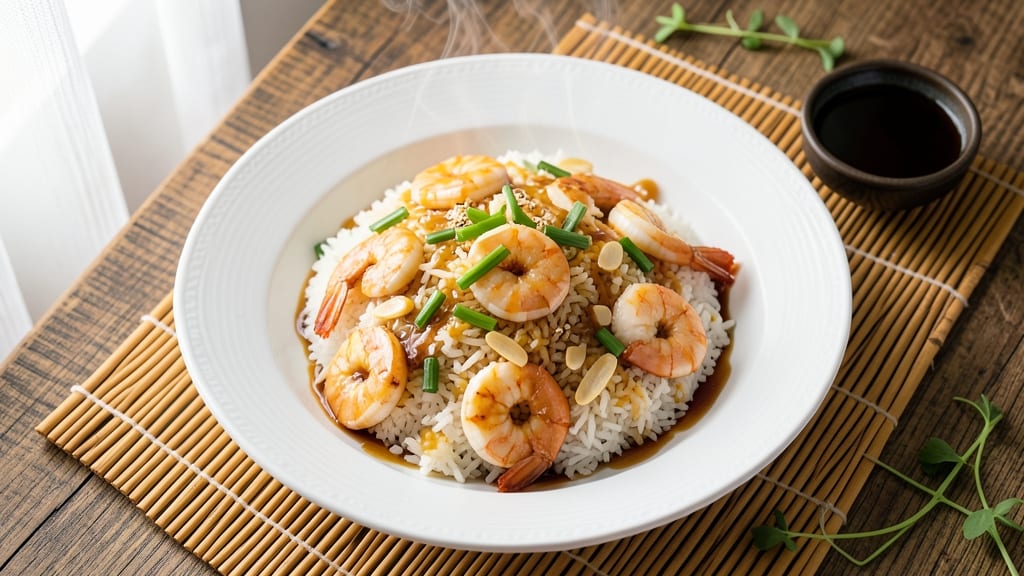
Mastering a Chinese shrimp fried rice recipe with oyster sauce delivers restaurant-quality results in your kitchen. The secret lies in proper rice prep—day-old, cold grains absorb flavors better—and high-heat wok technique that creates that signature smoky aroma.
This dish balances crispy shrimp, tender rice, and umami-rich oyster sauce for a satisfying, one-bowl meal.
What sets this recipe apart is the sauce integration: reduce oyster sauce with a touch of soy and sesame oil for depth, then toss everything together in the final moments to maintain texture.
Garnish with green onions and sesame seeds for freshness, and serve with a side of steamed veggies or egg rolls for a complete takeout-style experience.
Ingredients for chinese shrimp fried rice recipe with oyster sauce
High-quality shrimp, day-old rice, and umami-rich sauces create this restaurant-style fried rice masterpiece.
| Ingredient | Amount | Notes |
|---|---|---|
| Large Shrimp (Peeled and Deveined) 🦐 | 1 ½ lb | Tail-on for presentation, size 21/25 |
| Day-Old Jasmine Rice 🍚 | 4 cups | Cold, broken up into grains |
| Oyster Sauce 🍜 | ½ cup | High-quality, like Lee Kum Kee |
| Light Soy Sauce 🥢 | 2 tbsp | For balance, not saltiness |
| Sesame Oil 🫒 | 1 tbsp | Toasted, for aroma |
| Garlic Cloves 🧄 | 6 cloves | Minced, fresh preferred |
| Green Onions 🧅 | ½ cup | Thinly sliced, white and green parts |
| Toasted Sesame Seeds 🌾 | 1 tbsp | For garnish |
| Vegetable Oil 🫒 | ½ cup | High smoke point, like avocado |
| Eggs 🥚 | 2 whole | Lightly beaten, room temperature |
| Frozen Peas 🌱 | ½ cup | Thawed, for texture |
| White Pepper 🌶️ | ½ tsp | Freshly ground, subtle heat |
| Salt 🧂 | 1 tsp | Kosher or sea salt |
The shrimp must be tail-on and size 21/25 for that signature presentation—Costco or local seafood markets usually carry them pre-peeled. For the rice, Jasmine from Trader Joe's is ideal, but any long-grain works. The key is using day-old rice—fresh rice turns mushy under wok heat. If you forget to make extra, microwave leftover rice with a splash of water to revive it. Lee Kum Kee oyster sauce is the gold standard, but Kikkoman works in a pinch. The sesame oil should be toasted, not the flavored kind—look for it in the Asian aisle.
No oyster sauce? A mix of soy sauce and a splash of fish sauce (1 tsp each) mimics the umami, though texture will differ. Swap frozen peas for corn or carrots if preferred, but peas add that classic crunch. Eggs are optional but recommended—they bind the rice beautifully. For extra protein, add chicken or tofu, but keep portions balanced. The garlic should be minced finely—visible pieces can overpower the dish. Green onions add freshness, so don’t skip the white parts for flavor. If you’re short on time, pre-minced garlic from the jar works, but fresh is always superior.
Store cooked shrimp in the fridge for up to 2 days, though it’s best fresh. Day-old rice can be prepped ahead and refrigerated in an airtight container for 3 days—just break it up before cooking. Sesame seeds keep for 6 months in a cool, dark place, while oyster sauce lasts 12 months unopened. For meal prep, cook the rice and sauce separately, then combine just before serving to maintain texture. This dish reheats well—microwave with a damp paper towel for even heating.
Why You'll Love This Recipe
- One-Pan Magic: I swear by this recipe—just toss everything into one hot wok, and the shrimp sizzles while the rice absorbs that rich oyster sauce. No washing extra bowls, no fuss, just pure satisfaction from start to finish.
- Umami Bomb: That oyster sauce isn’t just a seasoning—it’s the star. One spoonful transforms simple shrimp and rice into something dangerously addictive, with that deep, savory punch balanced by a whisper of sesame oil at the end.
- Lunchbox Hero: Between us, this is my go-to for meal prep. Cold or reheated, it’s always a hit—pack it for work, toss it in a bento, or serve it at a potluck. The day-old rice? It’s the secret to that perfect texture every time.
- Budget Win: Fresh shrimp might sound fancy, but this recipe stretches it far. A single batch feeds four, and leftovers reheat like a dream. Honestly, I make it twice a month just to keep costs down without sacrificing flavor.
Step-by-step instructions for Chinese shrimp fried rice with oyster sauce
Master the wok hei technique and umami balance with these precise steps.
Prep Ingredients for Maximum Flavor Development
Break up the 4 cups day-old jasmine rice into individual grains using your hands or a fork. This prevents clumping and ensures even cooking. The rice should be completely dry—no moisture at all. In a small bowl, whisk together the 0.5 cup oyster sauce, 2 tablespoons light soy sauce, 1 tablespoon sesame oil, 0.5 teaspoon white pepper, and 1 teaspoon salt until fully combined. This marinade will carry the dish's signature depth of flavor.
Thaw the 0.5 cup frozen peas by placing them in a colander under warm running water for 2 minutes. Mince the 6 cloves garlic finely—you want them almost paste-like for even distribution. Thinly slice the 0.5 cup green onions, separating the white and green parts. Lightly beat the 2 whole eggs in a separate bowl until just combined but still slightly thick. These preparations ensure every component is ready for the rapid cooking process ahead.
Create the Wok Hei Base with High Heat
Heat a 14-inch wok or large skillet over high heat until it's smoking slightly. Add 0.5 cup vegetable oil and swirl to coat the entire surface. The oil should shimmer but not smoke excessively—this is your signal the wok is properly heated. Add the 1.5 lb shrimp and cook undisturbed for 1-2 minutes per side until the shrimp turn opaque and develop a golden crust. Remove them to a plate and set aside.
This high-heat sear is critical—it develops the shrimp's signature wok hei flavor through the Maillard reaction. If the oil smokes too much, reduce heat slightly but maintain high temperature. The shrimp should release easily from the wok when ready. Don't overcrowd the pan or they'll steam instead of sear.
Cook the Aromatics and Eggs with Precision Timing
Working quickly, add the minced garlic to the wok and stir for 10-15 seconds until fragrant but not browned. Immediately add the white parts of the green onions and stir for another 10 seconds. This rapid cooking preserves the garlic's freshness while building flavor. Push the aromatics to one side of the wok and pour in the lightly beaten eggs. Scramble them gently with a spatula, folding as they cook until just set but still slightly runny.
The eggs should form soft curds that coat the back of your spoon—this texture creates the dish's signature creamy element. If the eggs cook too quickly, reduce heat slightly. The residual heat from the wok will continue cooking them as you incorporate the rice. This is where the dish's texture balance comes together—crispy shrimp, tender eggs, and soon-to-be toasted rice.
Combine All Elements for Perfect Texture and Flavor
Add the broken-up day-old jasmine rice to the wok and stir vigorously for 1-2 minutes until the rice is heated through and begins to develop a slight crust on the edges. Pour the prepared sauce over the rice and toss everything together for another 1-2 minutes. The rice should be hot throughout and begin to release its characteristic aroma. Add the thawed peas and stir for 30 seconds to incorporate evenly.
Watch the rice carefully—it should be hot but not sticking to the wok. If it begins to clump, add 1-2 tablespoons of water to steam it open. The sauce should coat the rice lightly without making it soggy. This is where the dish's texture comes together: individual rice grains with pockets of flavor, not a mushy mass. The high heat ensures the rice stays separate while absorbing the sauce.
Finish with Garnish and Serve Immediately
Return the cooked shrimp to the wok and toss everything together for 30 seconds to heat through and combine flavors. Sprinkle the green parts of the green onions and 1 tablespoon toasted sesame seeds over the top. The dish should be vibrant with color—white rice, pink shrimp, green onions, and golden sesame seeds. Taste and adjust seasoning if needed, adding a splash of light soy sauce or oyster sauce as necessary.
Serve immediately while the rice is hot and the shrimp maintains its perfect texture. The dish should be aromatic with layers of umami from the oyster sauce, saltiness from the soy, and subtle heat from the white pepper. Each bite should deliver the wok hei flavor—smoky, slightly charred notes that elevate all the components. The shrimp should be tender but still firm, the rice perfectly toasted but not dry, and the peas adding just enough texture contrast.
Pro Tips For Making Chinese Shrimp Fried Rice Recipe With Oyster Sauce
- STOP OVERCOOKING YOUR SHRIMP: I learned this the hard way—shrimp turns rubbery fast. Once they turn opaque and curl, pull them out immediately. They’ll keep cooking from residual heat while you finish the rice, but leave them in too long and you’ll regret it.
- USE COLD RICE: Day-old rice is non-negotiable here, but don’t skip chilling it first. Spread freshly cooked rice on a tray and refrigerate for 30 minutes before using. Cold rice fries up crispier and absorbs sauces better—no mushy texture here.
- SALT THE RICE WATER: This isn’t just about flavor—it’s about texture. Add 1½ teaspoons of salt to the rice water (even if using day-old rice). The salt helps break down the starches, making the fried rice grains separate cleanly when stir-fried. Trust me, it makes a real difference.
- SAVE TIME WITH FROZEN SHRIMP: No need to peel and devein fresh shrimp for this dish. Use frozen, peeled shrimp (thawed and patted very dry) and toss them in 1 teaspoon of cornstarch before cooking. They’ll brown faster and stay juicier—your future self will thank you.
Flavor customization for this recipe
Spicy Kick Options
Add 1 teaspoon chili garlic sauce or ½ teaspoon red pepper flakes to the sauce mixture for instant heat. For a smoky kick, stir in ½ teaspoon chili oil (like Lao Gan Ma) during the final toss.
I love adding ½ teaspoon doubanjiang (Chinese fermented chili bean paste) for depth and complexity. These adjustments transform the dish into a fiery Sichuan-style fried rice while keeping the core flavors intact. 🌶️
Sweet and Tangy Twist
Balance the umami with sweetness by adding 1 tablespoon hoisin sauce to the oyster sauce mixture. For tangy brightness, stir in 1 teaspoon rice vinegar or a splash of lime juice at the end.
I also recommend adding ½ cup diced pineapple (fresh or canned) during the final toss for a tropical fusion twist that pairs beautifully with the shrimp. 🍍
Herbaceous Variations
Swap the green onions for cilantro or Thai basil for a fresh, aromatic twist. Add 1 tablespoon chopped mint or ½ teaspoon dried lemongrass (finely ground) to the sauce for an herbal depth.
For a Southeast Asian influence, stir in ½ teaspoon shrimp paste (kapi) during the sauce reduction—it adds an incredible depth of flavor. 🌿
Extra Protein Additions
Boost nutrition by adding ½ lb diced chicken breast or ½ lb firm tofu (pressed and cubed) to the wok alongside the shrimp. For a seafood medley, include ½ lb scallops or ½ lb squid—both cook quickly and add texture.
I also love adding ½ cup chopped water chestnuts for crunch and a subtle sweetness. 🦑
Vegetable Enhancements
Increase vegetable content with ½ cup shredded carrots or ½ cup sliced bell peppers (cooked first to soften). For a hearty texture, add ½ cup chopped mushrooms (shiitake or cremini) during the aromatics stage.
I recommend ½ cup corn kernels (fresh or frozen) for a sweet contrast that complements the shrimp beautifully. 🥕
Cheesy Fusion Twist
For a Western-Chinese fusion, sprinkle ½ cup shredded cheddar cheese or ¼ cup crumbled feta over the fried rice during the final minute of cooking. The cheese melts into the rice, adding richness and a creamy texture.
I also love adding ¼ cup diced ham** for a savory depth that balances the seafood flavors. 🧀
Nutrition facts
Frequently asked questions
Why does the recipe call for day-old rice instead of fresh?
Freshly cooked rice is too moist and will turn mushy when stir-fried. Day-old rice has dried out slightly, creating individual grains that absorb flavors beautifully while maintaining texture. If you don't have leftovers, microwave cooked rice with a splash of water for 30 seconds to revive it, then spread it on a tray to cool completely before using.
Can I use frozen shrimp instead of fresh?
Thaw frozen shrimp completely by placing them in a colander under warm water for 5 minutes. Pat dry thoroughly before cooking to ensure a crispy crust. For best results, use tail-on shrimp (size 21/25) and cook them undisturbed for 1-2 minutes per side until opaque. Never microwave frozen shrimp—it makes them rubbery.
What's the secret to getting that restaurant-style wok hei flavor?
Wok hei (breath of the wok) comes from high heat and proper technique. Use a 14-inch wok or large skillet over high heat until smoking, then work quickly to sear shrimp and aromatics. The residual heat creates smoky, slightly charred notes. For extra depth, add a pinch of white pepper and sesame oil—these enhance the wok's natural aroma. A cast-iron wok retains heat better than nonstick.
How do I prevent the fried rice from getting soggy?
Soggy rice happens from too much liquid or low heat. Use completely dry day-old rice and stir-fry over high heat for 1-2 minutes until grains develop a slight crust. If the rice sticks, add just 1-2 tablespoons of water to steam it open, then continue cooking. Avoid adding sauce too early—toss it in during the final 1-2 minutes of cooking.
Can I make this dish ahead of time?
While fried rice is best served immediately, you can prep components ahead: cook the rice and store it for 3 days in an airtight container, and make the sauce mixture in advance. For the best texture, combine everything fresh and reheat in a wok or skillet over medium-high heat for 2-3 minutes. If reheating in the microwave, cover with a damp paper towel to retain moisture.