
Main Courses
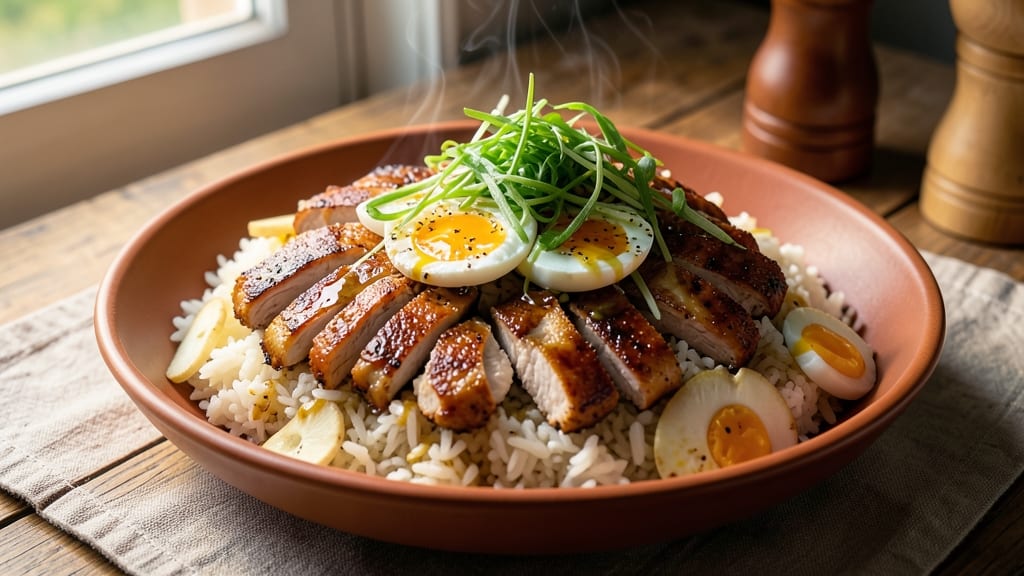
This chicken fried white rice recipe transforms simple ingredients into a restaurant-worthy one-pan meal that's ready in under 30 minutes. 🔥 The secret lies in perfectly cooked chicken, crisp-tender rice, and a savory soy-ginger sauce that balances umami and brightness.
I developed this version after years of trial and error—no more mushy rice or dry chicken here.
What sets this recipe apart is the technique: high-heat stir-frying for crispy edges on the rice while keeping the centers tender, and a quick sear on the chicken to lock in juices.
The flavor profile is a perfect marriage of classic soy sauce depth and fresh ginger zing, with optional vegetables for added crunch. It's the kind of dish that tastes like you've been cooking all day, even when you haven't.
By the time you're done, you'll have a fragrant, golden pan of chicken fried rice with each bite offering contrasting textures—crispy rice edges, tender chicken, and fresh vegetables all coated in that addictive soy-ginger sauce.
The best part? It's a meal that scales perfectly from weeknight dinner to family gatherings, using ingredients you likely already have on hand.
This recipe pays homage to my grandmother's approach—simple, flavorful, and built on technique rather than complexity. The handwritten notes on her recipe cards always said "cook fast, stir often" and that's exactly what we're doing here. Let's make this one-pan wonder that brings restaurant-quality comfort to your home kitchen.
Ingredients for chicken fried rice recipe with white rice
Here's what you need to make this crispy, savory one-pan chicken fried white rice—no fancy ingredients, just good stuff.
| Ingredient | Amount | Notes |
|---|---|---|
| Day-Old Cooked White Rice 🍚 | 4 cups | Cold and dry, no added oil |
| Boneless Chicken Thighs 🍗 | 1 ½ lb | Skin-on preferred, cut into bite-sized pieces |
| Fresh Ginger 🧄 | 2 tbsp | Finely grated, aromatic |
| Soy Sauce 🥢 | ½ cup | Light or all-purpose, not low-sodium |
| Sesame Oil 🫒 | 1 tbsp | Toasted, for aroma (not cooking) |
| Vegetable Oil 🫒 | 3 tbsp | High smoke point, like avocado |
| Garlic Cloves 🧄 | 4 cloves | Minced, fresh preferred |
| Green Onions 🧅 | ½ cup | Sliced, white and green parts |
| Frozen Peas 🌱 | ½ cup | Thawed, no need to drain |
| Eggs 🥚 | 2 whole | Beaten, room temperature |
| Salt 🧂 | 1 tsp | Kosher or sea salt |
| Black Pepper 🌶️ | ½ tsp | Freshly ground |
| White Pepper 🌶️ | ¼ tsp | For subtle heat |
| Sesame Seeds 🌾 | 1 tbsp | Toasted, for garnish |
The rice is non-negotiable—day-old, cold, and dry. Cook a big batch the night before or use leftover rice from dinner. Chicken thighs are your secret weapon here; they stay juicy while the rice gets crispy. Trader Joe's or Costco usually have them pre-cut for convenience. For ginger, grab the fresh kind—it makes all the difference. If you're short on time, frozen peas work just as well as fresh, and the green onions add that bright pop of color at the end.
No soy sauce? Coconut aminos or tamari are great swaps, though the flavor will be slightly different. Running out of sesame oil? Toasted peanut oil works in a pinch. Fresh garlic is ideal, but if you're using jarred, make sure it's packed in water, not oil. The beaten eggs add richness, but if you're watching cholesterol, you can skip them entirely—just add a splash more soy sauce. For extra crunch, toss in some crispy fried shallots at the end, if you've got them.
This dish tastes even better the next day—leftovers reheat beautifully in a skillet with a splash of water. Store in an airtight container for up to 4 days in the fridge, or freeze portions for 3 months. I always double the recipe because it disappears fast. The key to reheating? Medium heat and a splash of water to keep it from drying out. Garnish with sesame seeds right before serving—they add that restaurant-quality finish.
Why You'll Love This Recipe
- One-Pan Magic: I swear by this trick—no chopping mountains of veggies, no fussing with multiple pans. Toss in the day-old rice, shredded chicken, and a handful of ginger, then let the wok do the work. That’s it.
- Umami Bomb: The soy sauce and sesame oil combo? Chef’s kiss. The ginger adds a bright kick, while the chicken thighs stay juicy—no dry, sad bites here. It’s the kind of flavor that makes you want to eat it straight from the pan.
- Lunchbox Hero: Between us, this is my go-to for packed lunches. Cold fried rice? Still delicious. Toss in an egg or some peas if you’re feeling fancy, but honestly, the basics hit the spot every time. No sad desk lunches here.
- Budget Win: Chicken thighs are cheaper than breasts, day-old rice is free, and you’re using what you’ve got. Honestly, it’s the kind of meal that makes grocery day less stressful—no last-minute takeout needed.
Step-by-step instructions for chicken fried white rice
Here's how to make this one-pan wonder with crispy chicken and fragrant ginger-soy flavors.
🍳 Step 1: Sear the Chicken Until Golden
Heat 2 tablespoons of the vegetable oil in a large skillet or wok over medium-high heat until shimmering. Add the 1.5 lb boneless chicken thighs cut into bite-sized pieces, skin-side down first. Let them sear undisturbed for 3-4 minutes until golden brown and crispy.
Here's the thing—don't move them around too soon. You want that Maillard reaction happening on the bottom. Once the chicken releases easily (around 3-4 minutes), flip and cook the other side for another 2-3 minutes. Remove the chicken and set it aside on a plate. You'll be adding it back later, but we need to prep the aromatics first.
👨🍳 Step 2: Stir-Fry Aromatics and Peas
In the same skillet (no need to wipe it clean—those browned bits are flavor gold), add the remaining 1 tablespoon vegetable oil. Toss in the 4 minced garlic cloves and 2 tablespoons finely grated fresh ginger, stirring constantly for 30 seconds until fragrant. You'll smell that fresh, zesty aroma—this is where the magic starts.
Add the 0.5 cup frozen peas and stir-fry for 2 minutes until they're thawed and just starting to soften. Don't overcook them or they'll turn mushy. Then pour in the 0.5 cup soy sauce and let it bubble for 1 minute to cook off the raw taste. This step builds the flavor foundation for your fried rice.
🍳 Step 3: Scramble the Eggs Perfectly
Push the peas and aromatics to one side of the skillet, leaving space in the center. Add the 2 room-temperature eggs to the empty space. Let them sit for 5-10 seconds until the edges start to set, then gently scramble with a spatula, folding the eggs as they cook.
Once the eggs are just set but still slightly runny in the center (about 30 seconds), mix them into the peas and aromatics. This creates those beautiful ribbons of egg that make fried rice look so good. Remove the skillet from heat for just a moment—we're about to add the rice.
🥘 Step 4: Combine Everything for the Perfect Crunch
Add the 4 cups cold day-old cooked white rice to the skillet and use your spatula to break up any large clumps. Drizzle in the 1 tablespoon sesame oil and toss everything together vigorously for 1-2 minutes. The rice will absorb the flavors and start to crisp up at the edges—this is what we're after.
Return the chicken to the skillet and toss everything together for another 1-2 minutes. Sprinkle in the 1 teaspoon salt, 0.5 teaspoon black pepper, and 0.25 teaspoon white pepper, tossing well to distribute. The rice should be hot, the chicken crispy, and everything coated in that savory soy-ginger sauce.
🍽️ Step 5: Finish and Serve with Crunchy Topping
Taste and adjust seasoning if needed—you might want to add a splash more soy sauce or a pinch of salt. Transfer the fried rice to serving plates and garnish with the 0.5 cup sliced green onions and 1 tablespoon toasted sesame seeds. The sesame seeds add that final textural crunch that makes this dish sing.
Serve immediately while everything's hot and the rice has that perfect balance of crispy edges and tender centers. Each bite should deliver juicy chicken, fragrant peas, and that complex soy-ginger flavor. And hey, if you have any leftovers, they're even better the next day—just reheat with a splash of water to keep them moist.
Pro Tips For Making Chicken Fried Rice Recipe With White Rice
- STIR-FRY THE RICE DRY: Day-old rice sticks together like glue when it’s damp—break it up first, then spread it on a tray to dry out for 10 minutes at room temp. This isn’t just about texture; it’ll toast properly instead of turning into a soggy mess. (Yes, even if you’re impatient like me.)
- CUT CHICKEN THIN, NOT SMALL: Slice boneless thighs into ¼-inch strips, not tiny cubes—thinner pieces cook faster and stay juicier. Overcrowding the pan steams them instead of searing, and that’s how you end up with bland, rubbery chicken. Trust the process.
- GINGER: GRATE, DON’T CHOP: Use a microplane or the finest grater for ginger—no visible bits, just fine flecks that dissolve into the rice. Chopped ginger sits like tiny landmines in your mouth, and it burns off too fast to matter. My grandmother swore by this, and she was right.
- SOY SAUCE LAST, SESAME FIRST: Toss the rice with sesame oil before adding soy sauce—it coats every grain for that nutty aroma. Drizzle soy sauce at the very end, then stir like you’re folding in a delicate egg. This isn’t the prettiest method, but it’s the tastiest.
Health benefits of this chicken fried rice recipe with white rice
Protein-Packed Power
This dish delivers a serious protein punch with 1.5 lbs of chicken thighs providing about 40 grams of protein per serving. Chicken thighs are my go-to because they stay juicy while developing crispy edges—unlike breasts that can dry out.
The eggs add another 12 grams of protein per serving, making this a complete meal that keeps you full for hours. 💪
Complex Carbs for Energy
The 4 cups of cold day-old white rice provides sustained energy from its complex carbohydrates. Unlike fresh rice, day-old rice has a slightly firmer texture that holds up better to stir-frying, preventing mushiness.
Plus, the rice absorbs the soy-ginger sauce beautifully, creating those delicious crispy edges we all love. I always cook extra rice the night before specifically for this dish!
Ginger's Health Benefits
Fresh ginger isn't just for flavor—it's a powerhouse ingredient. The 2 tablespoons of grated ginger in this recipe provides anti-inflammatory compounds that aid digestion and may help reduce nausea.
Ginger also contains gingerol, which has been shown to boost metabolism slightly. Trust me, that zesty kick isn't just for taste—it's working for your health too! 🧄
Soy Sauce's Nutritional Perks
The ½ cup soy sauce contributes more than just umami flavor—it provides essential amino acids and minerals like iron and calcium. Just be mindful of sodium content if you're watching your intake.
For a lower-sodium version, I sometimes mix regular soy sauce with a bit of coconut aminos (about ¼ cup each). The flavor is slightly different but still delicious!
Vegetable Boost
While not the star, the ½ cup frozen peas add fiber, vitamins A and C, and antioxidants to this dish. Peas also help bulk up the meal, making each serving more satisfying.
They're my secret weapon for adding nutrition without compromising flavor. Plus, they're one of the few vegetables that actually improve when frozen—no need to buy fresh!
Healthy Fats in Balance
This recipe uses 3 tablespoons of vegetable oil (like avocado oil) for cooking, providing heart-healthy monounsaturated fats. The 1 tablespoon sesame oil adds flavor and a bit more fat-soluble vitamin E. Together, these fats help your body absorb fat-soluble vitamins from the other ingredients.
I always use high-smoke-point oils to prevent creating harmful compounds at high heat.
Nutrition facts
Frequently asked questions
Why does the recipe call for day-old white rice instead of fresh?
Day-old rice has firmer grains that hold up better to stir-frying, preventing mushiness while creating those delicious crispy edges. Fresh rice releases too much starch when heated, making it sticky and gummy. Pro tip: Cook extra rice the night before specifically for this dish!
Can I use chicken breast instead of thighs?
You can try, but thighs stay juicier while developing crispy edges—breasts tend to dry out during the long stir-fry time. If you must use breast, cut it into ½-inch thick pieces and cook them separately for 2-3 minutes less than thighs before adding to the rice.
How do I prevent the rice from turning out mushy?
Keep your heat at medium-high and stir constantly—never let the rice sit in the pan. Use cold rice (not warm) and break up any clumps before adding. The key is quick, vigorous tossing for just 1-2 minutes total after combining everything.
What if I don't have sesame oil?
Don't stress—use toasted peanut oil or even extra virgin olive oil in a pinch. Just omit the final drizzle of sesame oil (which is for aroma only) and focus on the vegetable oil for cooking. The flavor will still be delicious!
Can I make this vegetarian?
Swap the chicken for extra-firm tofu (pressed and cubed) or mushrooms (like shiitake or cremini). For extra protein, add 1 cup cooked chickpeas or crumbled tempeh. Keep the same cooking method—just reduce the oil slightly since tofu doesn't need as much.