
Main Courses
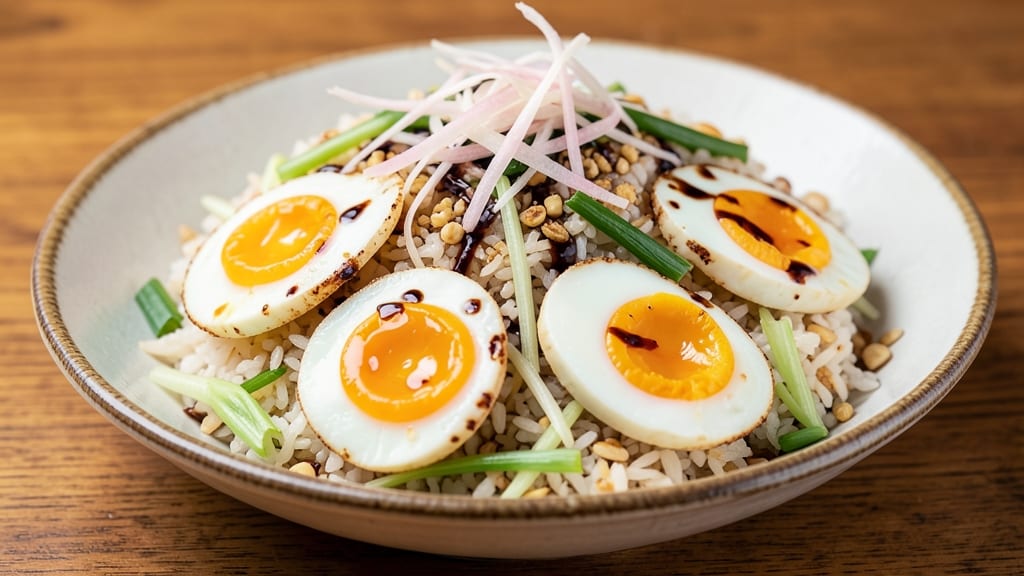
This Chinese white fried rice recipe transforms day-old rice into crispy, golden bites with egg ribbons and celery in just 20 minutes. The secret lies in high-heat stir-frying and proper rice texture—no soggy grains here.
I've perfected this technique after countless batches, ensuring every forkful delivers that perfect balance of chewy rice, tender eggs, and crunchy vegetables.
What sets this apart is the method: cold rice gets tossed with oil and aromatics first, creating a crispy base before adding protein and vegetables. The result? Restaurant-quality fried rice with crispy edges, silky egg ribbons, and vibrant green onions.
Whether you're feeding a crowd or meal prepping, this recipe delivers consistent, foolproof results every time.
Ingredients for chinese white fried rice
Cold rice, fresh aromatics, and high-heat technique create restaurant-quality fried rice every time.
| Ingredient | Amount | Notes |
|---|---|---|
| Day-Old Cooked White Rice 🍚 | 4 cups | Cold, preferably jasmine or long-grain |
| Large Eggs 🥚 | 4 whole | Room temperature for silky ribbons |
| Celery Stems 🥬 | 1 cup | Thinly sliced, crisp-tender |
| Green Onions 🌱 | ½ cup | White and green parts, chopped |
| Garlic Cloves 🧄 | 4 cloves | Minced, freshly for aroma |
| Fresh Ginger 🌿 | 1 tbsp | Finely grated, aromatic |
| Vegetable Oil 🫒 | ½ cup | High smoke point, neutral flavor |
| Soy Sauce 🥢 | ¼ cup | Light or all-purpose, salted |
| Sesame Oil 🌰 | 1 tbsp | Toasted, for finishing aroma |
| White Pepper 🌶️ | ¼ tsp | Freshly ground for subtle heat |
| Salt 🧂 | ½ tsp | Kosher or sea salt |
| Optional Protein 🍗 | 1 cup | Diced chicken or shrimp, cooked |
The rice texture is non-negotiable—day-old, cold rice develops that signature crispy exterior. Jasmine or long-grain varieties hold up best to high-heat stir-frying. For protein, pre-cooked chicken or shrimp (if using) should be finely diced and patted dry to prevent sogginess. Fresh ginger and garlic? Buy whole and grate yourself—pre-minced loses potency fast. The celery? Look for crisp stems at the grocery store, avoiding wilted or rubbery pieces. Trader Joe's consistently carries the best quality for stir-fry veggies, but any well-stocked market will do.
No soy sauce? Coconut aminos work in a pinch, though the flavor will differ slightly. Fresh sesame oil is essential—avoid the cheap, rancid-smelling stuff from the back of the shelf. For extra protein without meat, tofu or edamame can substitute, but ensure they're properly drained and sliced thin. The eggs should be room temperature for perfect ribbons; whisk them briefly before cooking. Diamond Crystal kosher salt is ideal for seasoning, but any fine sea salt will suffice. If you're meal prepping, undercook the rice slightly—it'll firm up as it cools, making it easier to crisp later.
Store prepped ingredients separately: rice in one container, proteins/veggies in another. The cooked fried rice reheats beautifully—microwave in single layers to maintain crispiness. Keeps 3-4 days in the fridge or 3 months frozen. For freezing, spread portions on a tray first to prevent clumping. Sesame oil should be added fresh before serving—it oxidizes quickly when heated. Portion into individual containers for easy grab-and-go meals, or freeze in single-serving bags for quick lunches.
Why You'll Love This Recipe
- Pantry Rescue: I swear by this when my fridge is bare—just rice, eggs, and whatever greens I have. No shopping trip needed, just chop and stir.
- Garlic-Crisp Magic: That first sizzle of minced garlic and celery in hot oil? Pure flavor payoff. The eggs scramble into perfect little pockets, and the green onions? Freshness in every bite.
- Lunchbox Hero: Between us, this is my go-to for packed lunches. Cold or reheated, it’s still solid—just toss in some soy sauce and you’ve got a meal that’ll actually get eaten.
- Zero-Waste Winner: Day-old rice? Perfect. Overripe veggies? Use ‘em. Even the scraps of celery or leftover garlic find a home here. Budget-friendly and guilt-free.
Step-by-step instructions for Chinese white fried rice
Master this wok technique for restaurant-quality fried rice with perfectly crisp celery and silky egg ribbons.
Prep Ingredients for Maximum Texture
Break up the 4 cups day-old cooked white rice with your hands until it resembles coarse grains—no clumps. The older the rice, the better it absorbs flavors and achieves that signature dry, separate texture. Spread it on a plate and let it cool completely if it's warm, as moisture will prevent proper crisping.
Slice the 1 cup celery stems into ¼-inch thick half-moons—this size ensures they crisp without turning rubbery. Chop the 0.5 cup green onions into 1-inch pieces, leaving the whites slightly longer for visual appeal. Mince the 4 cloves garlic and grate the 1 tbsp fresh ginger using a microplane for maximum aromatic release. Keep all prepped ingredients within reach for efficient cooking.
Scramble Eggs to Ribbon Stage
Heat a 14-inch wok or large skillet over high heat until a drop of water sizzles violently. Add 2 tablespoons vegetable oil and swirl to coat. Crack the 4 whole large eggs into a bowl, season with 0.25 tsp white pepper, and whisk vigorously until frothy. Pour eggs into the wok and let them sit undisturbed for 5 seconds before gently pushing them into thin ribbons with a spatula.
Cook until the eggs are just set—still slightly runny in the center—then remove from the wok and set aside. Overcooking at this stage makes the eggs tough. The residual heat will finish cooking them when combined with the rice. Keep the wok hot for the next steps—this is critical for achieving that signature wok hei (breath of the wok) flavor.
Stir-Fry Aromatics and Protein
Return the wok to high heat and add the remaining 0.3 cup vegetable oil. Toss in the 1 cup celery, 0.5 cup green onions, 4 cloves minced garlic, and 1 tbsp grated ginger. Stir-fry for 2 minutes until the celery softens but remains crisp-tender—this is the texture we're aiming for. If using 1 cup optional protein, add it now and cook until heated through.
Push the vegetables to one side of the wok, add 0.25 cup soy sauce, and let it caramelize slightly before mixing everything together. The soy sauce should coat the vegetables evenly without pooling. This step builds the foundation flavor—don't rush it. If the wok starts smoking excessively, reduce heat slightly to maintain control.
Combine Rice and Finish with Sesame Oil
Add the 4 cups broken-up rice to the wok, spreading it evenly. Stir-fry for 3-4 minutes on high heat, using a spatula to cut through the rice and prevent sticking. The rice should become lightly golden in spots while remaining separate. Sprinkle with 0.5 tsp salt and 0.25 tsp white pepper, tossing to distribute evenly.
Return the scrambled eggs to the wok and mix everything together for 1-2 minutes until fully combined. Drizzle with 1 tbsp sesame oil and toss vigorously for 30 seconds—this adds the signature nutty aroma and helps distribute all the flavors. Taste and adjust seasoning if needed; the rice should be savory, slightly salty, and subtly peppery with no single flavor overpowering.
Plate Immediately for Perfect Texture
Transfer the fried rice to serving plates immediately—every second counts. The residual heat will continue cooking the rice slightly, so serve while it's steaming hot. Garnish with additional green onion whites for color contrast and a final drizzle of sesame oil if desired. The rice should be crisp in spots, with silky egg ribbons, crisp celery, and aromatic vegetables peeking through.
For best results, eat within 5 minutes while the texture is at its peak. If storing, refrigerate and reheat in a dry skillet over medium heat—adding a splash of water will help restore moisture without making it soggy. This dish is all about balance: crispy, tender, flavorful, and perfectly seasoned in every bite.
Pro Tips For Making Chinese White Fried Rice
- USE COLD DRY RICE: Break up your day-old rice into chunks first—it’s already dry, but if it’s still clumpy, spread it on a tray and let it sit for 10 minutes. Cold rice fries better than warm; it absorbs less oil and stays separate. I learned this the hard way after ending up with a gluey mess.
- SCRAMBLE EGGS SEPARATELY: Cook the eggs in a clean, dry pan first until just set—no need for crispy edges. Slide them out, then use that same pan for the rice. This keeps the eggs tender and prevents them from turning rubbery when mixed in later. (Yes, it’s an extra step, but it makes a real difference.)
- CHOP CELERY SMALLER THAN YOU THINK: Celery stems are tough—slice them into thin half-moons, not thick rounds. They’ll soften faster and blend into the rice instead of turning into chewy afterthoughts. My grandmother swore by this, and she was right: no one wants to pick out crunchy bits.
- STOP WHEN IT LOOKS DONE: Chinese fried rice is finished when the rice is hot and the edges are lightly browned—not when it’s crispy. Overcooking dries it out and burns the garlic. Taste-test halfway through; it should be tender, not al dente. (Your future self will thank you.)
Make-ahead tips for this dish
Prep Ahead Strategy
Start by cooking your rice one day in advance—this is non-negotiable for that signature crispy texture. I like to make a big batch (about 8 cups) and store it in an airtight container in the fridge.
The longer the rice sits, the better it absorbs flavors and achieves that perfect dry, separate texture. For proteins like chicken or shrimp, cook and chop them ahead of time, storing separately in the fridge. This saves 15-20 minutes of prep when you're ready to cook. 💡
Freezing for Lunch Prep
Portion your fried rice into single-serving containers before freezing—this prevents a giant thawed block. Spread portions on a tray first to freeze individually, then transfer to ziplock bags with all air removed. Label with dates—this keeps for 3 months without texture loss.
When reheating, microwave on medium power for 2-3 minutes, then finish in a dry skillet for 1-2 minutes to restore crispiness. I do this weekly for quick lunches! ❄️
Protein Prep Shortcuts
Save time by using pre-cooked proteins like rotisserie chicken or canned shrimp. For chicken, shred and dice 1 cup while still warm, then toss with 1 tsp soy sauce and ½ tsp sesame oil to marinate.
For shrimp, peel and devein 12-15 medium shrimp, then pat dry thoroughly to prevent sogginess. Store both in separate containers in the fridge for up to 3 days. This cuts active cooking time by half. 🍗
Vegetable Prep Tips
Pre-chop all your vegetables and store them in small containers with paper towels to absorb excess moisture. Celery should be sliced into ¼-inch half-moons, while green onions get chopped into 1-inch pieces.
Keep garlic and ginger grated in a separate container—they lose potency quickly when pre-minced. I like to store these in small mason jars with tight lids for easy grab-and-go stir-frying. 🥬
Rice Texture Hacks
If your rice isn't perfectly crisp after reheating, try this: Spread it on a baking sheet and broil for 2-3 minutes on high. This gives it that restaurant-quality crunch. For extra flavor, add 1 tsp toasted sesame oil or a pinch of white pepper during reheating.
I also recommend using jasmine rice—it holds up better to high heat than basmati. If you're short on time, microwave rice works in a pinch, but it won't be as crispy. 🍚
Make-Ahead Meal Plan
Plan to make fried rice on Sunday nights for the week. Cook a big batch, then portion into 4-5 meal prep containers. Store in the fridge for 4 days or freeze for later.
For variety, keep a small container of extra soy sauce and sesame oil to adjust flavors when reheating. I like to pair this with quick-pickled cucumbers or a simple miso soup for a complete meal. This strategy saves 2+ hours of cooking during the week! 📅
Nutrition facts
Frequently asked questions
Why does my fried rice turn out mushy instead of crispy? The key is using day-old, cold rice—fresh rice releases too much moisture. Also,
Can I make this with fresh rice instead of day-old?
Fresh rice works in a pinch, but you'll need to adjust: spread it on a tray and dry it in the oven at 350°F for 10-15 minutes first. Alternatively, microwave it for 2-3 minutes uncovered to remove excess moisture. The texture won't be as authentic, but it's better than mushy rice!
What's the best way to store leftovers?
Store in an airtight container for up to 4 days in the fridge. For freezing, portion into single servings first, then freeze. Reheat in a dry skillet over medium heat with a splash of water to restore moisture. Microwaving works too, but it won't be as crispy.
How do I get perfect egg ribbons every time?
Use room temperature eggs and cook them on high heat until just set (still slightly runny). Let them sit undisturbed for 5 seconds before pushing into ribbons with a spatula. Overcooking makes them tough—trust the residual heat from the wok to finish them when combined with rice.
Can I make this vegetarian?
Skip the protein or use tofu, edamame, or mushrooms instead. For extra flavor, add 1 tbsp vegan oyster sauce or a pinch of white miso paste with the soy sauce. The celery and green onions will still provide great texture and crunch!