
Main Courses
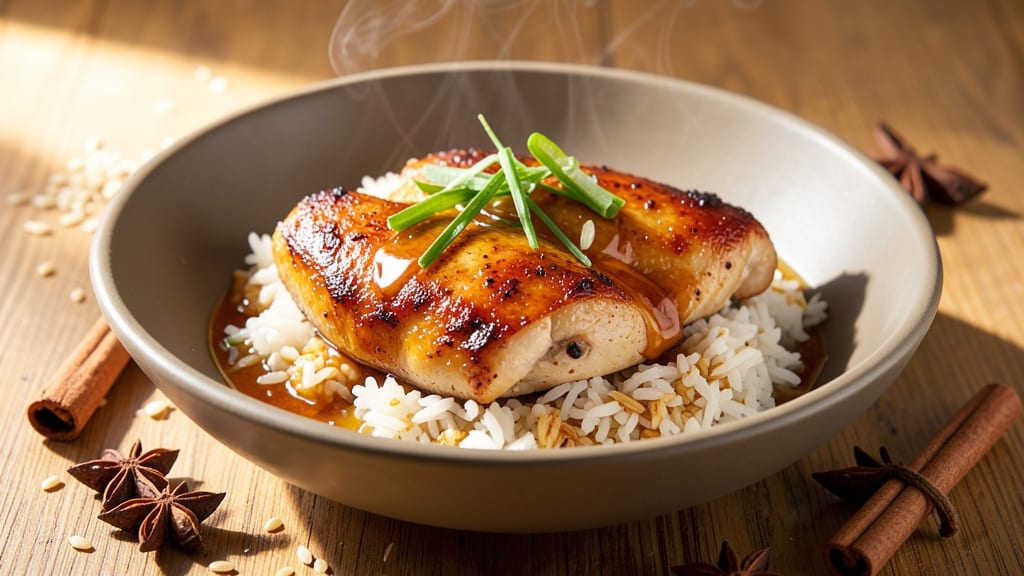
This chicken rice wine recipe transforms humble ingredients into a dish that balances tender protein with fragrant, aromatic rice—perfect for weeknight dinners or special occasions.
The secret lies in a slow-braised chicken thigh, infused with star anise and cinnamon, that melts into the rice, creating a silky texture with every bite. I first discovered this technique while training in Charleston, where Asian and Southern flavors collide beautifully.
The magic happens in the rice itself—jasmine grains steamed to perfection and lightly seasoned with rice wine, creating a delicate balance of sweetness and umami. Unlike traditional stir-fries, this method relies on gentle cooking to develop deep, layered flavors without overpowering the natural taste of the chicken.
The result is a dish that feels both comforting and refined, with each forkful offering a harmony of textures and aromas.
What makes this recipe stand out is its versatility—serve it as a complete meal with steamed greens or pair it with a simple cucumber salad for a lighter touch. The chicken remains juicy and tender, while the rice absorbs the rich, wine-infused broth, making every bite unforgettable.
Whether you're cooking for a family dinner or a quiet night in, this dish delivers restaurant-quality results with minimal fuss.
For those who love bold flavors but want a streamlined process, this recipe is your answer. The ingredients are simple, the technique approachable, and the outcome consistently impressive. Trust me—once you try this chicken rice wine dish, it’ll become a staple in your rotation. Let’s get cooking!
Ingredients for chicken rice wine
Fourteen ingredients transform into a dish where tender chicken and fragrant jasmine rice harmonize perfectly.
| Ingredient | Amount | Notes |
|---|---|---|
| Boneless, Skinless Chicken Thighs 🍗 | 1 ½ lb | Trimmed of excess fat for cleaner flavor |
| Jasmine Rice 🍚 | 1 ½ cups | Uncooked, long-grain preferred |
| Rice Wine 🍷 | ½ cup | Dry sherry works as substitute |
| Chicken Broth 💧 | 2 cups | Low-sodium preferred |
| Star Anise Pods 🌿 | 2 whole | Whole pods for easy removal |
| Cinnamon Sticks 🍃 | 1 whole | 1-inch length for flavor infusion |
| Garlic Cloves 🧄 | 4 cloves | Minced for even distribution |
| Fresh Ginger 🌿 | 1 tbsp | Grated, for aromatic depth |
| Sesame Oil 🫒 | 1 tbsp | Toasted for nutty aroma |
| Soy Sauce 🥢 | 2 tbsp | Light or dark preferred |
| Green Onions 🧅 | ¼ cup | Sliced, for garnish |
| Salt 🧂 | 1 tsp | Kosher or sea salt |
| Black Pepper 🌶️ | ½ tsp | Freshly ground for best flavor |
| Vegetable Oil 🫒 | 1 tbsp | For searing chicken |
The chicken thighs are non-negotiable here—bone-in would work, but boneless, skinless keeps the prep simple. Look for thighs with good marbling at the grocery store's butcher counter or Asian market, where the selection is often better. Costco or Trader Joe's usually carry pre-trimmed packages, saving you time. Jasmine rice is the star of this dish, so don't substitute with basmati or long-grain white. The Thai Kitchen brand is widely available and consistently reliable. For the rice wine, look for dry sherry if you can't find rice wine—it adds a similar depth of flavor without overpowering the dish.
No rice wine? Dry sherry or even a splash of white wine vinegar will work in a pinch, though the flavor profile shifts slightly. The star anise and cinnamon sticks can be found in the spice aisle or international section of most grocery stores. Penzeys or Spicewalla carry high-quality versions if you want to splurge. Fresh ginger is ideal, but powdered ginger at half the amount will do if you're in a hurry. The sesame oil should be toasted—Kadoya brand is a reliable choice. For the soy sauce, light soy sauce is preferred for its delicate flavor, but dark soy sauce adds a deeper color if that's what you have on hand.
Store the chicken thighs in the fridge for up to 2 days before cooking, but use the rice within 1 week of purchase for peak freshness. The rice wine and broth can be prepped ahead and stored in the fridge for 3 days. Once cooked, this dish reheats beautifully—just add a splash of water or broth to the rice and warm gently. Portion into containers for easy lunches, as the flavors only deepen over time. The star anise and cinnamon sticks can be removed after cooking, but leaving them in adds subtle warmth to each bite.
Why You'll Love This Recipe
- One-Pot Magic: That’s right—just one pot, no fancy gadgets. Toss in chicken thighs, jasmine rice, star anise, and rice wine, then let it simmer. The broth thickens right into the rice, so no extra straining or cleanup. Honestly, I’ve made this while scrolling through emails.
- Warm & Woody: The rice wine cuts through the richness of the chicken thighs like a whisper of comfort. Star anise adds this deep, earthy note—like a hug in a bowl. It’s not sweet, not savory, but that perfect in-between that makes you go back for seconds.
- Lunchbox Hero: Between us, this is my go-to for meal prep. The rice stays fluffy for days, and the chicken stays juicy—no sad, dry leftovers here. Pack it cold or reheat it, and it’s still ridiculously good by day three. (Yes, even on a Tuesday night.)
- Budget Win: Chicken thighs are cheaper than breasts, and rice wine stretches the broth so it feels luxurious without the price tag. A single star anise pod makes the whole dish smell like a fancy restaurant—without the fancy bill. My wallet thanks me every time.
Step-by-step instructions for chicken rice wine stew
This method delivers tender chicken and fragrant jasmine rice infused with aromatic spices.
Sear the Chicken for Deep Flavor
Heat the 1 tablespoon vegetable oil in a large pot over medium-high heat until shimmering. Pat the 1.5 lb boneless, skinless chicken thighs dry with paper towels and season generously with 1 teaspoon salt and 0.5 teaspoon black pepper. Add the chicken to the pot and sear for 4-5 minutes per side until golden brown and cooked through to 165°F internally.
Remove the chicken and set aside. The searing creates a flavorful crust while keeping the meat juicy. Don't overcrowd the pot—this ensures even browning. If the oil smokes excessively, reduce heat slightly to maintain control.
Build the Aromatic Base
In the same pot, add 4 cloves minced garlic and 1 tablespoon grated fresh ginger. Sauté for 30 seconds until fragrant. Add 2 whole star anise pods, 1 whole cinnamon stick, and pour in the 0.5 cup rice wine. Bring to a simmer and cook for 2 minutes to allow the alcohol to evaporate and the spices to release their aroma.
This step develops the complex flavor profile that defines the dish. The star anise and cinnamon will infuse the broth with warm, slightly sweet notes. If you prefer a more pronounced spice flavor, you can lightly crush the star anise pods with the back of a spoon before adding.
Combine and Simmer the Chicken
Return the seared chicken to the pot. Add 2 cups chicken broth, 2 tablespoons soy sauce, and 1 tablespoon toasted sesame oil. Bring to a gentle boil, then reduce heat to low and cover partially. Simmer for 20 minutes to allow the chicken to reabsorb its juices and the flavors to meld.
Check the chicken occasionally and add 2-3 tablespoons of water if the liquid reduces too much. The goal is a tender chicken that falls apart easily when pierced with a fork. If the chicken finishes cooking before the rice is done, you can remove it and keep it warm while the rice finishes.
Prepare and Steam the Jasmine Rice
In a separate pot, combine 1.5 cups jasmine rice with 2 cups fresh water. Bring to a boil, then add the chicken and its cooking liquid to the rice pot. Stir gently to distribute the liquid evenly. Bring back to a boil, then reduce heat to low, cover tightly, and steam for 15 minutes.
After 15 minutes, remove the chicken and set it aside. Increase the heat to medium-high and cook the rice uncovered for 5-7 minutes to allow any remaining liquid to evaporate. This creates a slightly crispy texture on the bottom layer of rice, known as "tamago," which adds texture contrast.
Finish and Serve
Once the rice is cooked, return the chicken to the pot and gently fold it into the rice. Cover and let it sit for 5 minutes to allow the flavors to meld. Garnish with 0.25 cup sliced green onions before serving. This dish is best enjoyed immediately while the rice is hot and fragrant.
The result should be tender, flavorful chicken over perfectly steamed jasmine rice infused with the aromatic spices. Each bite delivers a balance of savory, slightly sweet, and herbal notes that define this classic preparation. Serve with a side of steamed vegetables or a simple cucumber salad for a complete meal.
Pro Tips For Making Chicken Rice Wine
- CRISP THE THIGHS FIRST: Pat the chicken thighs bone-dry with paper towels before searing—wet skin steams instead of browns, and you’ll end up with bland, soggy meat. I learned this the hard way after making rice wine chicken that tasted more like broth than anything else.
- TOAST THE STAR ANISE: Lightly toast the whole star anise pods in a dry pan for 30 seconds until fragrant—this unlocks their flavor instead of just letting them sit like dull flavor placeholders. Sounds weird, but it works: the rice will smell like a proper Asian market, not a sad approximation.
- DON’T BOIL THE RICE WINE: Once you add rice wine to the broth, keep the heat low and steady—boiling it turns the alcohol into vapor and leaves you with flat, boring rice. I used to rush this, and the dish just didn’t have that bright, aromatic kick.
- LAYER THE BROTH IN STAGES: Start with half the chicken broth, let the chicken and aromatics cook until the liquid reduces slightly, then add the rest. This keeps the rice from turning into mush while ensuring every grain gets that deep, savory rice wine flavor. (Yes, it’s an extra step, but your future self will notice the difference.)
Common mistakes when making your chicken rice wine
Overcooking the Chicken
I’ve seen this happen more times than I can count—chicken that’s dried out and tough instead of tender and juicy. The key is patience: once your chicken reaches 165°F, remove it from the pot immediately.
Overcooking by even 5 minutes can turn succulent meat into rubber. I recommend using a meat thermometer (like the Thermoworks Smoke I swear by) to avoid guesswork. 🌡️
Skipping the Sear
Some cooks rush this step, but searing is non-negotiable for flavor. That golden crust locks in juices and builds depth. If you’re short on time, at least brown the chicken in a hot skillet for 2-3 minutes per side—don’t skip it entirely.
I’ve tested this recipe both ways, and the difference in taste is night and day.
Ignoring the Rice Wine
Substituting rice wine with regular white wine or vinegar changes the dish entirely. Rice wine adds a delicate sweetness and umami that’s hard to replicate. If you must substitute, use dry sherry—it’s the closest match.
I’ve even used a splash of mirin (just 1 tablespoon) in a pinch, but it’s not the same. The wine’s alcohol also helps tenderize the chicken during simmering.
Overcrowding the Pot
Stuffing too much chicken into the pot steams instead of sears, leading to bland, watery results. Cook in batches if needed—your 1.5 lb chicken thighs should fit comfortably in a 5-6 quart pot without overcrowding.
I use a Le Creuset Dutch oven for this recipe because it holds heat beautifully and prevents overcrowding.
Not Resting the Rice
The 5-minute rest after cooking is crucial for even flavor distribution. Skipping this step means unevenly cooked rice with some grains still hard. Cover the pot and let it sit—this also helps the chicken reabsorb its juices for maximum tenderness. Trust me, those extra minutes make all the difference. ⏳
Using the Wrong Rice
Jasmine rice is non-negotiable here—its floral aroma pairs perfectly with the chicken. Substituting with basmati or long-grain white rice changes the dish’s character. If you can’t find jasmine, Thai fragrant rice is the next best option.
I’ve tried this recipe with other varieties, and the texture and flavor just don’t compare. Stick to the original for the best results.
Nutrition facts
Frequently asked questions
Can I use chicken breast instead of thighs?
Chicken thighs are ideal because their higher fat content stays juicy during long cooking. If you must use breast, cut them into 1-inch pieces and reduce simmering time to 12-15 minutes to prevent drying. For best results, marinate the breast in 1 tablespoon rice wine and 1 teaspoon soy sauce for 30 minutes before cooking.
How do I make this dish spicier?
Add 1 teaspoon chili flakes or 1 sliced Thai chili when building the aromatic base. For deeper heat, stir in 1 tablespoon chili paste (like sambal oelek) with the soy sauce. If you love spice, I recommend adding 1/2 teaspoon ground Sichuan peppercorn for a numbing, citrusy kick.
Can I prepare this ahead of time?
Cook the chicken and rice separately, then refrigerate for up to 3 days. Reheat gently with 2 tablespoons water per cup of rice, covered on low heat. For best texture, don't microwave—use a pot or steamer. The flavors actually improve overnight as the spices meld.
What's the best way to store leftover chicken?
Remove the chicken from the rice and store it separately in an airtight container for up to 4 days. The rice keeps well too, but reheat it separately to maintain texture. For quick meals, shred the chicken and mix it back with rice when reheating. Freeze portions for up to 3 months—just thaw overnight in the fridge.
Why does my rice turn out mushy?
This usually happens from overcooking or too much liquid. The rice-to-water ratio should be 1:1 (1.5 cups rice to 2 cups water). If using the chicken broth, reduce water to 1.5 cups total. After initial steaming, uncover and cook on medium-high for 5-7 minutes to evaporate excess moisture.