
Main Courses
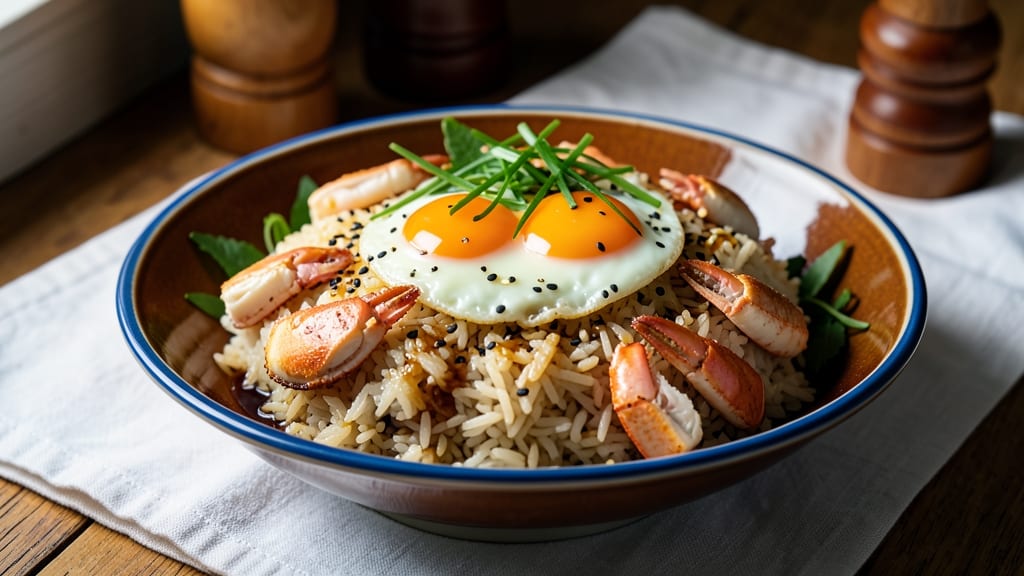
This Chinese crab fried rice recipe transforms simple ingredients into a restaurant-worthy dish with just a few wok-tossed techniques. The secret lies in perfectly cooked jasmine rice, sweet crab meat, and silky egg ribbons that come together in a fragrant, umami-rich sauce.
I've refined this recipe over years of testing to ensure every bite delivers that signature wok hei—smoky, aromatic magic that defines authentic Chinese stir-frying.
What sets this apart is the balance: tender crab, fluffy rice, and a sauce made rich with soy, oyster, and a touch of sweetness that complements the seafood. The dish finishes with bright green onions and toasted sesame seeds for texture and freshness.
Ready in under 30 minutes, it's the kind of meal that elevates weeknight dinners to special occasions without the fuss. Let's get cooking—your taste buds will thank you.
Ingredients for chinese crab fried rice
Jasmine rice, sweet crab, and silky eggs—simple ingredients for a restaurant-worthy dish.
| Ingredient | Amount | Notes |
|---|---|---|
| Jasmine Rice 🍚 | 3 cups | Day-old, cold, and fluffy |
| Sweet Crab Meat 🦀 | 1 ½ lbs | Lump or chunk, fresh or thawed |
| Large Eggs 🥚 | 4 whole | Fresh, cold, for ribbons |
| Green Onions 🧅 | ½ cup | White and green parts, sliced |
| Sesame Seeds 🌾 | 2 tbsp | Toasted for garnish |
| Light Soy Sauce 🍶 | ½ cup | Kikkoman preferred |
| Oyster Sauce 🍶 | 2 tbsp | High-quality, like Lee Kum Kee |
| Sesame Oil 🫒 | 1 tbsp | Toasted, for aroma |
| Vegetable Oil 🫒 | 2 tbsp | High smoke point |
| Garlic Cloves 🧄 | 4 cloves | Minced, fresh preferred |
| Ginger 🌿 | 1 tbsp | Fresh, grated |
| Sugar 🍚 | 1 tbsp | White granulated |
| Salt 🧂 | 1 tsp | Kosher or sea salt |
| White Pepper 🌶️ | ¼ tsp | Freshly ground |
The crab meat makes this dish special, so pick the sweetest lump crab you can find. Costco or specialty seafood markets usually carry high-quality frozen crab that thaws beautifully. If using fresh, ask for it pre-cooked to save time. The rice? Day-old jasmine rice is non-negotiable—it's drier and absorbs flavors better. Cook a batch the night before and refrigerate uncovered to dry it out. For the eggs, cold eggs create those signature ribbons when tossed in the wok—no need to chill them extra.
No sweet crab? King crab legs or snow crab meat work in a pinch, though the texture will differ slightly. Short on soy sauce? Tamari or coconut aminos are good substitutes, but the flavor won't be identical. The oyster sauce is key for that umami depth—Lee Kum Kee is the gold standard, but any good brand will do. Fresh ginger and garlic are ideal, but if you're using dried, double the amount. For the sesame oil, toasted sesame oil adds the most aroma, but regular will work if that's what you've got.
This dish reheats beautifully—3-4 days in the fridge with the lid slightly ajar to prevent sogginess. Freeze portions for up to 3 months by spreading the rice on a tray first to prevent clumping. For extra wok hei, heat your wok until it's smoking before adding oil. The rice should be hot but not crispy—just heated through. Garnish with toasted sesame seeds right before serving to keep them crisp.
Why You'll Love This Recipe
- One-Pan Magic: I swear by this recipe when I’m too tired to scrub pots—just scramble eggs, toss in that sweet crab meat and day-old jasmine rice, and let the wok do the work. The sesame seeds toast in seconds while everything else cooks, and honestly? No one will guess it was this effortless.
- Sweet-Savory Balance: That crab meat—so tender it melts in your mouth—pairs perfectly with the crispy edges of the rice and the bright hit of green onions. I’ll be real: the first time I made this, I ate it straight from the pan because it was that good.
- Weeknight to Dinner Party: Between us, this is my secret weapon for both lazy Tuesday nights and when my in-laws drop by unannounced. Double the batch, add a sprinkle of extra sesame seeds for flair, and suddenly you’ve got a dish that feels fancy without the fuss.
- Leftovers That Don’t Suck: Most fried rice gets rubbery the next day, but not this one—the jasmine rice stays light, and the crab flavor only deepens. I pack it in bento boxes for work or reheat it in a skillet with a splash of soy sauce, and it’s just as crave-worthy as the first serving.
Step-by-step instructions for Chinese crab fried rice
Master the wok hei technique and you'll achieve restaurant-quality fried rice with melt-in-your-mouth crab and silky egg ribbons.
Prepare the Day-Old Jasmine Rice
Spread the 3 cups of day-old jasmine rice on a baking sheet and let it dry slightly at room temperature for 10 minutes. This prevents mushiness when tossing. The rice should feel dry to the touch but not crumbly—think of it like freshly cooked rice that's had time to firm up.
While the rice dries, prepare your wok or large skillet over high heat. Add 2 tablespoons of vegetable oil and let it get smoking hot—this high heat is essential for achieving that signature wok hei flavor. The oil should shimmer and look like it's about to smoke when you're ready to add the rice.
Cook the Aromatics and Crab
Add the 4 cloves of minced garlic and 1 tablespoon of grated ginger to the hot wok. Stir-fry for 30 seconds until fragrant—you should smell that pungent garlic aroma immediately. This quick cooking preserves their freshness rather than letting them burn.
Push the aromatics to one side of the wok and add the 1.5 lbs of sweet crab meat. Let it sear for 1-2 minutes until it turns opaque and slightly crispy at the edges. The crab should maintain its shape but develop a golden sheen. This quick sear enhances its natural sweetness without overcooking it.
Create Egg Ribbons and Combine Ingredients
Push the crab mixture to the side again and add another 1 tablespoon of vegetable oil to the empty space. Crack the 4 whole cold eggs into the wok and let them sit undisturbed for 10 seconds. Then quickly scramble them into delicate ribbons using a spatula—this technique creates those signature silky strands.
Add the 3 cups of prepared rice to the wok and toss vigorously for 2 minutes. The rice should be well-coated in the egg mixture and beginning to turn opaque. This is where the magic happens—constant tossing prevents burning while distributing heat evenly.
Season and Finish the Dish
Pour in the 0.5 cup light soy sauce, 2 tablespoons oyster sauce, 1 tablespoon sugar, 1 teaspoon salt, and 0.25 teaspoon white pepper. Toss everything together for 2-3 minutes until the rice is evenly coated and the sauce has absorbed. You'll know it's ready when the rice looks glossy and the aromas fill your kitchen.
Turn off the heat and immediately stir in the 0.5 cup sliced green onions and 1 tablespoon sesame oil. The sesame oil adds that distinctive nutty aroma that elevates the dish. Taste and adjust seasoning if needed—you want a balance of sweet, salty, and umami flavors.
Garnish and Serve Immediately
Transfer the fried rice to serving plates and garnish with 2 tablespoons toasted sesame seeds. The contrast of the toasted seeds against the warm rice adds both visual appeal and texture. Serve immediately while still hot—fried rice loses its ideal texture as it cools.
Each bite should deliver perfectly cooked rice with tender crab pieces, silky egg ribbons, and a well-balanced sauce. The dish should be aromatic with layers of garlic, ginger, and that signature wok hei flavor. For best results, serve with a side of steamed greens or a simple cucumber salad to complement the richness.
Pro Tips For Making Chinese Crab Fried Rice
- Fry the Eggs First: I learned this the hard way—adding eggs last makes your rice soggy. Scramble them in the same wok over medium-high heat until just set (still slightly runny), then push to one side and toss in the rice. The eggs will soak up excess moisture while keeping their creamy texture.
- Use Day-Old Rice: Fresh jasmine rice is too sticky and turns to mush. Spread leftover rice on a tray after cooking, let it cool completely, then refrigerate for 24 hours. Cold, dry grains absorb the crab’s juices better and stay separate—no gluey disaster here.
- Stir-Fry in Batches: Crowding the wok steams the rice instead of searing it. Divide your crab meat into two portions and cook each separately over high heat for 30 seconds. The high heat keeps the crab tender while developing that smoky wok hei flavor.
- Toast the Sesame Seeds: Skip the raw seeds—they’ll just sit there like decorative confetti. Dry-toast them in the same wok for 30 seconds until golden and fragrant, then sprinkle over the finished dish. The nutty aroma cuts through the richness of the crab and eggs.
Flavor customization for this dish
Sweet Heat Balance
Add 1 teaspoon chili crisp or ½ teaspoon gochujang to the sauce for a sweet-spicy kick. I love using Lao Gan Ma chili crisp—just stir it in with the soy and oyster sauces.
For extra heat, sprinkle ½ teaspoon red pepper flakes on top before serving. This balances the sweetness of the crab beautifully while adding complexity. 🌶️
Lemon Zest Brightness
Brighten the dish with 1 tablespoon lemon zest mixed into the sauce. The citrus cuts through the richness of the crab and eggs, adding a refreshing contrast. For an extra pop, serve with 2 wedges of lemon on the side.
I find this works especially well if you're using a lighter crab variety that needs extra brightness.
Garlic-Ginger Boost
Double the garlic to 8 cloves and add ½ teaspoon crushed star anise to the aromatics for a deeper, more aromatic flavor profile. This works especially well if you're using mild crab meat that needs extra depth.
The star anise adds a subtle licorice note that pairs beautifully with the seafood. 🧄
Umami Depth
For an extra umami punch, stir in 1 tablespoon fish sauce or 1 teaspoon mushroom powder with the soy and oyster sauces. I recommend Red Boat fish sauce for its clean, robust flavor.
This works particularly well if you're using a less sweet crab or want to enhance the overall savory profile of the dish.
Toasted Nut Finish
Add 1 tablespoon chopped peanuts or 2 tablespoons crushed cashews to the final toss for a nutty crunch. Toast them in a dry pan for 2-3 minutes until golden, then sprinkle over the top.
This adds texture and a subtle sweetness that complements the crab perfectly. I find this works especially well in colder months when you want extra warmth in your dish.
Herb Infusion
Stir in 1 tablespoon chopped cilantro or 1 teaspoon Thai basil with the green onions at the end for a fresh, herbaceous finish. The cilantro adds brightness, while Thai basil brings a slightly sweet, anise-like note.
This works particularly well if you're serving the dish with a spicy dipping sauce like sriracha mayo.
Nutrition facts
Frequently asked questions
Can I use frozen crab instead of fresh?
Yes, but thaw it properly first! Place frozen crab in a sealed bag and submerge in cold water for 15-20 minutes. Never use warm water as it can make the crab mushy. For best results, thaw overnight in the fridge. The texture should be firm but pliable—never rubbery.
What if I don't have jasmine rice?
Use long-grain white rice as a substitute, but cook it slightly less (about 12 minutes instead of 15) so it's extra firm. Short-grain rice like sushi rice will be too sticky and won't achieve that perfect fried rice texture. Day-old rice is still essential for the best results!
How do I fix mushy fried rice?
If your rice turns out mushy, it's usually from overcooking or using fresh rice. Next time, cook the rice slightly underdone (12 minutes instead of 15) and spread it on a tray to dry for 10 minutes before frying. For immediate fixes, stir in 1 teaspoon cornstarch mixed with water to thicken the sauce.
Can I make this vegetarian?
Replace the crab with 1 lb king oyster mushrooms (sliced) or 1 cup firm tofu (pressed and cubed). For extra umami, add 1 tablespoon soy sauce to the mushrooms during cooking. The egg ribbons and aromatics will still shine through beautifully.
How do I achieve wok hei without a wok?
Use a heavy-bottomed cast iron skillet or carbon steel pan—they retain heat like a wok. Heat it on high until it's smoking hot before adding oil. For extra aroma, add ½ teaspoon smoked paprika or a few drops of sesame oil at the end. The key is high heat and quick cooking!