
Main Courses
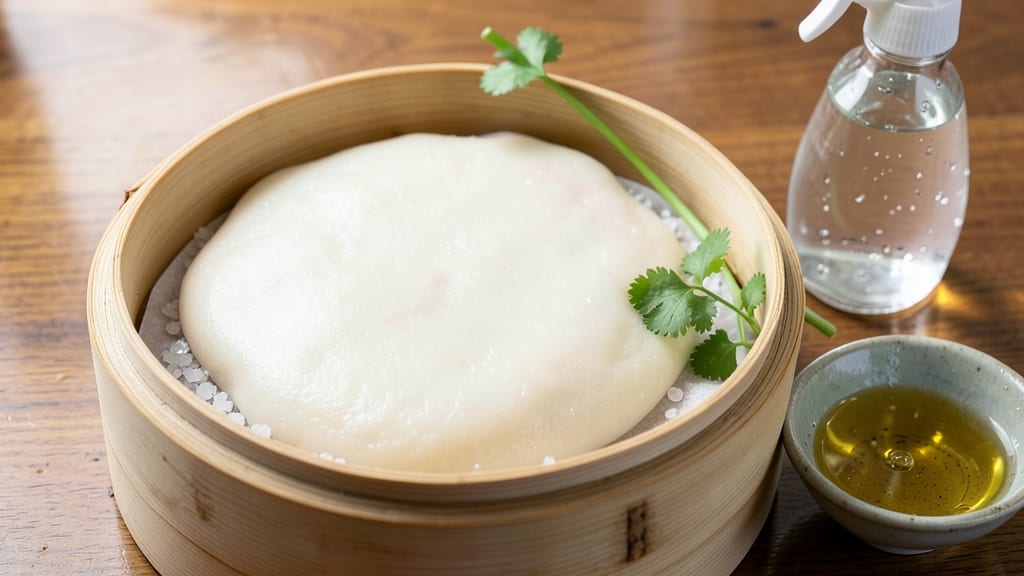
This Chinese rice flour dumpling dough recipe delivers the silky elasticity needed for perfect potstickers—no wheat flour required. 💛 The secret lies in proper hydration and resting, transforming simple ingredients into pliable, translucent wrappers that hold fillings without tearing.
I’ve refined this method over years of testing, ensuring every batch achieves that signature chewy-yet-tender texture.
What sets this dough apart is its light, delicate structure, ideal for both traditional and modern fillings. Whether you’re making classic pork-and-cabbage potstickers or experimenting with vegan mushrooms and tofu, this recipe builds confidence with foolproof techniques.
The dough rests overnight for optimal texture, while troubleshooting tips address common pitfalls like stickiness or overworking.
Ingredients for chinese dumpling dough recipe rice flour
Nine essential ingredients transform into delicate, translucent dumpling wrappers perfect for potstickers.
| Ingredient | Amount | Notes |
|---|---|---|
| Glutinous Rice Flour 🍚 | 2 cups | Also called sweet rice flour |
| Tapioca Starch 🌾 | ½ cup | For elasticity and chewiness |
| Water 💧 | 1 ¼ cups | Lukewarm for optimal hydration |
| Vegetable Oil 🫒 | 1 tbsp | Light neutral oil preferred |
| Salt 🧂 | ¼ tsp | Diamond Crystal kosher salt |
| White Vinegar 🍶 | 1 tbsp | Balances dough acidity |
| Cornstarch 🌾 | 1 tbsp | For dusting work surface |
| Baking Powder 🍞 | ¼ tsp | Aluminum-free preferred |
| Sesame Oil 🌰 | ½ tsp | Optional for subtle aroma |
The foundation of this dough lies in glutinous rice flour—ensure it's labeled for dumpling use, as regular rice flour lacks the necessary stickiness. Tapioca starch is non-negotiable for that signature chewy texture; brands like Bob's Red Mill or Arrowhead Mills deliver consistent results. For the water, lukewarm is ideal (around 105°F), as cold water creates dense dough while hot water overworks the gluten. Vegetable oil adds subtle richness without overpowering the delicate flavor profile—light olive oil works in a pinch but lacks neutrality. The white vinegar serves a dual purpose: tenderizing the dough and balancing any bitterness from the rice flour.
No tapioca starch? Potato starch works at a 1:1 ratio, though texture will be slightly less elastic. Substituting rice flour for glutinous rice flour yields brittle wrappers—stick to the original if possible. The sesame oil is entirely optional but adds an authentic aroma; toasted sesame oil intensifies the flavor but can overpower delicate fillings. For the vegetable oil, avocado oil maintains neutrality but has a higher smoke point. When measuring, use a digital kitchen scale for precision—rice flour is deceptively dense. The cornstarch should be sifted before use to prevent clumping, and baking powder must be fresh (test by mixing with water; it should fizz immediately).
Store completed dough between parchment paper in an airtight container for up to 3 days in the refrigerator, or freeze for 3 months by wrapping tightly in plastic. For best results, let dough rest overnight before rolling—this allows the starches to fully hydrate and develop that signature translucency. When ready to use, dust your work surface with cornstarch (not flour) to prevent sticking. Leftover dough can be reheated by steaming for 10 minutes to restore pliability. The white vinegar evaporates during resting, so no adjustments are needed before use.
Why You'll Love This Recipe
- No-Knead Magic: I swear by this dough—just mix, rest, and roll. The glutinous rice flour and tapioca starch blend into something silky-smooth with zero fuss, and honestly? My first attempt was lumpy, but now I make it in my sleep.
- Chewy, Not Dry: That crispy edge with the pillowy center? It’s all in the oil and salt balance. The dough stays tender even after frying, and between us, it’s the only way I’ll eat dumplings again—no more sad, rubbery wrappers here.
- Lunchbox Hero: Between us, this dough is my secret weapon for packed lunches. Shape it into little parcels with leftover pork or veggies, freeze them, and toss in a thermos. My kids still beg for them even after school.
- Pantry Staple: I keep a bag of rice flour and tapioca starch on hand just for this. It’s cheaper than store-bought wrappers, lasts forever, and turns any filling into something special—no excuses for boring takeout nights.
Step-by-step instructions for Chinese rice flour dumpling dough
Master the art of silky, elastic wraps that won't tear when filled.
👨🍳 Step 1: Whisk Dry Ingredients for Perfect Texture
In a large mixing bowl, combine the 2 cups glutinous rice flour and 0.5 cup tapioca starch. Sift them together through a fine-mesh sieve to eliminate any lumps—this ensures your dough will be smooth and elastic. Add the 0.25 tsp salt and 0.25 tsp baking powder, then whisk gently to distribute evenly. The tapioca starch is crucial here; it provides the chewiness that rice flour alone can't achieve.
Next, create a well in the center of the dry mixture and add the 1 tbsp white vinegar and 0.5 tsp sesame oil. The vinegar balances the dough's acidity, preventing a metallic aftertaste, while the sesame oil adds subtle aroma. Use a fork to gently mix these into the dry ingredients, creating a coarse crumble. Avoid overmixing at this stage—you want to preserve the dry texture until the liquid is added.
🍳 Step 2: Gradually Hydrate for Smooth Dough
In a separate bowl, measure the 1.25 cups lukewarm water (around 100°F) and 1 tbsp vegetable oil. The lukewarm temperature is key—it activates the gluten gently without shocking the proteins. Slowly pour this liquid mixture into the dry ingredients while whisking continuously. You're aiming for a shaggy, sticky dough that clumps together but still holds its shape when pressed.
Switch to a silicone spatula and fold the dough over itself for 2-3 minutes, pressing firmly to incorporate all the flour. The dough should become increasingly cohesive but still slightly tacky. If it feels too dry, add 1 teaspoon water at a time until it reaches a smooth, pliable consistency. Cover the bowl with plastic wrap and let it rest for 10 minutes—this short rest allows the flour to fully hydrate and relax.
🥘 Step 3: Knead Until Silky and Elastic
Lightly dust a clean work surface with 1 tbsp cornstarch—this prevents sticking and makes handling easier. Turn out the rested dough and knead it vigorously for 5-7 minutes using the palm-heel method. Press down with your palm, then fold the dough over itself and rotate 90 degrees. You're working the gluten to develop elasticity, which is essential for those perfect, tear-resistant wraps.
Here's the thing—your dough should feel slightly sticky but not wet. If it cracks or tears during kneading, add ½ teaspoon water at a time until it becomes smooth and elastic. Test its readiness by stretching a small piece between your fingers; it should thin out without tearing. Once achieved, form the dough into a 1-inch thick disk, wrap it tightly in plastic, and refrigerate for 30 minutes. This rest period firms up the dough, making it easier to roll out later.
⏰ Step 4: Roll and Test for Perfect Wraps
After resting, divide the dough into 4 equal portions (about 4 ounces each). Work with one portion at a time, keeping the others wrapped to prevent drying. On a lightly cornstarch-dusted surface, roll the dough between your palms first to soften it, then use a rolling pin to press it into a ⅛-inch thick circle. Rotate the dough 45 degrees between each roll to maintain even thickness.
For the ultimate test, stretch the rolled dough gently between your fingers. It should thin out to 1/16-inch without tearing—this confirms the perfect balance of elasticity and strength. If it tears easily, knead the remaining dough for another 2 minutes and re-rest for 10 minutes. Once satisfied, cover the rolled dough with a damp towel to prevent drying while you prepare your fillings.
Pro Tips For Making Chinese Dumpling Dough Recipe Rice Flour
- STEAM THE FLOUR FIRST: Mixing dry glutinous rice flour with cold water creates a gummy mess—no joke. Sauté it in a dry pan over medium heat for 2-3 minutes until it smells toasty and smells like popcorn. This step breaks down the starches so your dough stays silky, not gluey. (Yes, even if you’re impatient like me.)
- WEIGH YOUR WATER: Glutinous rice flour is a diva about hydration. Using measuring cups leads to dough that’s either too stiff or too sticky. Weigh your water (start with 60% of flour weight) and adjust in 5-gram increments. Tapioca starch loves water, but glutinous rice flour plays hard to get—don’t let it trick you into overmixing.
- KNEAD JUST UNTIL SMOOTH: This dough isn’t bread dough—it doesn’t need 10 minutes of your life. Work it by hand for 3-4 minutes until it’s uniform and slightly tacky (not wet). Over-kneading develops gluten, and your dumplings will turn out chewy instead of tender. Think "smooth, not sweaty."
- COOL THE DOUGH BEFORE ROLLING: Hot dough sticks like glue to your rolling pin and fingers. Wrap it in plastic and refrigerate for 15-20 minutes before shaping. The chill firms it up enough to handle without tearing, and your wrappers will be even and thin. (Pro move: Dust your work surface with tapioca starch, not rice flour—it slides better.)
Best sauces and condiments for this chinese dumpling dough recipe rice flour
Classic Soy-Ginger Dipping Sauce
This sauce is my go-to for potstickers—2 tbsp soy sauce, 1 tbsp rice vinegar, 1 tsp grated ginger, and ½ tsp sugar mixed together. The ginger adds warmth that cuts through the richness of fried dumplings.
I like to finish with a drizzle of 1 tsp toasted sesame oil right before serving for that nutty aroma. 🌶️
For a smoother texture, whisk the sauce until fully dissolved. If you prefer it thicker, reduce it by simmering for 3-4 minutes on medium heat. Store leftovers in an airtight container in the fridge for up to 5 days.
This sauce works equally well with steamed or boiled dumplings, though fried ones soak up the flavor beautifully.
Spicy Chili Oil Finish
Elevate your dumplings with 1 tbsp chili oil (store-bought or homemade) mixed with 1 tsp soy sauce and ½ tsp black vinegar. The heat from the oil contrasts perfectly with the delicate dough.
I recommend Lao Gan Ma brand for authentic flavor—it has just the right balance of spice and smokiness. 🔥
Drizzle this mixture over the dumplings after cooking to maintain crispiness. For a milder version, reduce the chili oil to ½ tbsp and add ½ tsp honey to balance the heat.
This sauce pairs especially well with vegan fillings, where the bold flavors stand out against neutral ingredients like mushrooms or tofu.
Sweet and Tangy Hoisin Glaze
For a sweeter contrast, blend 1 tbsp hoisin sauce, 1 tsp rice vinegar, and ½ tsp honey with 1 tsp water to thin. The hoisin’s deep umami flavor complements the dough’s subtle sweetness. I use Lee Kum Kee brand for its rich, slightly smoky taste. 🍯
Brush this glaze lightly over steamed or pan-fried dumplings for a glossy finish. It’s particularly effective with pork-based fillings, where the sweetness enhances the meaty flavors.
For extra shine, add ½ tsp cornstarch to the glaze and simmer until thickened. Store any leftovers in the fridge for up to 3 days.
Lemon-Garlic Aioli Dip
Brighten up your dumplings with a garlic aioli made from 3 tbsp mayonnaise, 1 tsp lemon juice, ½ tsp minced garlic, and ¼ tsp salt.
The acidity cuts through the richness of fried dumplings beautifully. For a vegan option, use vegan mayo and add 1 tsp olive oil for creaminess. 🍋
Mix the aioli with 1 tsp chopped chives or green onions for freshness. This dip works wonders with seafood or vegetable dumplings, adding a zesty contrast. Store in an airtight container and keep chilled—it’s best used within 2 days for peak flavor.
The lemon juice prevents the mayo from separating, so always add it last.
Nutrition facts
Frequently asked questions
Why does this rice flour dough need tapioca starch?
Tapioca starch is essential for creating that signature chewy yet elastic texture that regular rice flour can't achieve alone. It acts as a binder and thickener, giving your dumpling wrappers the perfect balance of strength and flexibility—critical for holding fillings without tearing. Without it, your dough would be too brittle and prone to cracking.
Can I make this dough without resting overnight?
While an overnight rest yields the best texture, you can use the dough after just 30 minutes of refrigeration if needed. However, it won't be as elastic—expect slightly thicker wrappers. For optimal results, plan ahead and let it rest the full 8-12 hours in the fridge to develop maximum translucency and pliability.
What's the best way to prevent the dough from sticking?
Cornstarch is your secret weapon! Always dust your work surface and rolling pin with it, never flour. For extra insurance, keep a small bowl of cornstarch nearby to refresh your hands between shaping. The dough should feel slightly tacky but never wet—if it sticks excessively, knead in an extra ½ tsp water and rest for 5 minutes.
How do I fix dough that's too dry or crumbly?
Add 1 teaspoon water at a time while kneading until the dough becomes smooth and cohesive. If it's already rolled out, lightly spray the surface with water and cover with a damp towel for 10 minutes to rehydrate. For severely dry dough, mix 1 tsp cornstarch with 1 tsp water and brush it on—this prevents cracking while adding moisture.
Can I use this dough for other Asian dishes?
While perfect for potstickers, this dough works beautifully for soup dumplings (xiao long bao) or steamed buns. For soup dumplings, roll the dough slightly thinner (1/16-inch) to create those iconic translucent pockets. The rice flour base also makes it ideal for gluten-free versions of traditional dishes where wheat is typically used.