
Main Courses
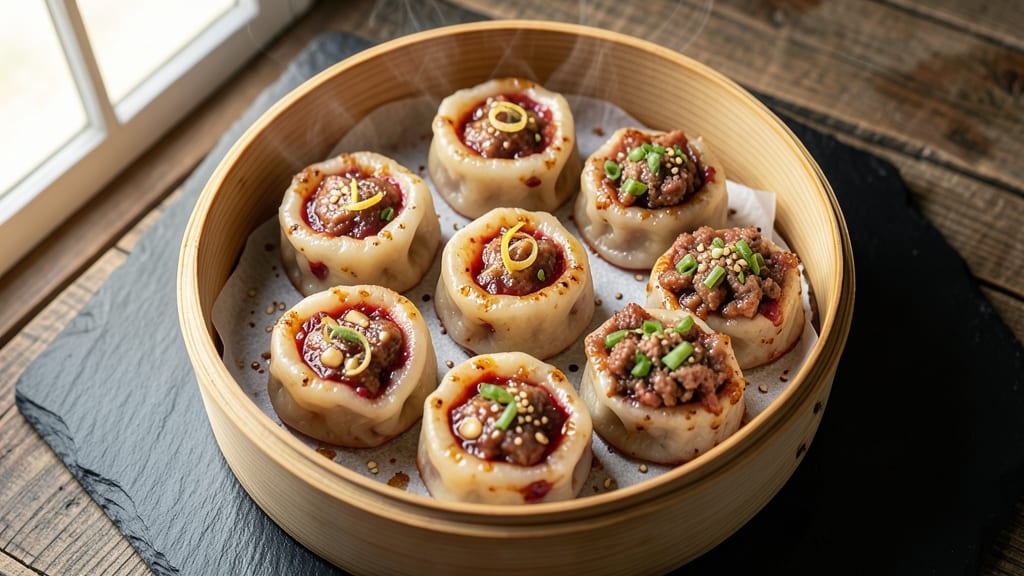
This Chinese glutinous rice dumpling recipe delivers perfectly chewy-centered bites with a delicate, translucent exterior—just like your favorite from the dim sum table. The secret lies in using the right ratio of glutinous rice flour and water, creating that signature tender-yet-firm texture that melts in your mouth while maintaining structure.
I’ve perfected the technique over years of testing, ensuring every dumpling achieves that ideal balance between bite and chew.
The filling possibilities are endless—traditional sweet red bean paste, savory minced pork with ginger, or modern twists like coconut milk-infused matcha—but the shaping and steaming methods remain consistent.
Once you master the foolproof technique, you’ll create dumplings so light they almost seem to float, with a subtle sweetness from the rice itself. Serve them warm with a drizzle of honey or soy sauce for the ultimate comfort food experience.
Ingredients for chinese glutinous rice dumpling
Master these ingredients for dumplings with a signature chewy center and delicate exterior.
| Ingredient | Amount | Notes |
|---|---|---|
| Glutinous Rice Flour 🍚 | 1 ½ cups | High-quality for chewy texture |
| Water 💧 | ¾ cup | Room temperature preferred |
| Red Bean Paste 🍫 | 1 ½ cups | Sweet or savory variety |
| Fresh Ginger 🧄 | 2 tbsp | Finely grated for filling |
| Ground Pork 🥩 | 1 lb | Lean, finely minced preferred |
| Garlic Cloves 🧄 | 4 cloves | Minced for savory filling |
| Soy Sauce 🍶 | 1 tbsp | Light or dark preferred |
| Sesame Oil 🫒 | 1 tsp | Toasted for aroma |
| Honey 🍯 | 1 tbsp | For subtle sweetness |
| Vegetable Oil 🫒 | 1 tbsp | For shaping |
| Cornstarch 🌾 | 1 tbsp | For dusting |
| Salt 🧂 | ½ tsp | Kosher or sea salt |
| Green Onion 🧅 | 2 whole | Thinly sliced for garnish |
The glutinous rice flour is non-negotiable—Bob's Red Mill or King Arthur brands deliver the best texture. Look for vibrant white flour, not yellowed or clumpy bags. Fresh ginger and garlic? Whole Foods or Asian markets carry the best quality, but any bright, firm ginger works. For the red bean paste, H Mart or Trader Joe's have reliable options—avoid the canned versions with added sugar if you want authentic flavor. If you're making savory dumplings, ground pork from the butcher counter (not pre-ground) makes all the difference in texture.
No glutinous rice flour? Sweet rice flour works in a pinch, but texture will be slightly firmer. Skipping the honey? Maple syrup at half the amount gives similar sweetness. For the pork filling, chicken or shrimp works beautifully—just adjust cooking times. Sesame oil too strong? Toasted peanut oil offers a milder alternative. The green onions can be swapped for scallions or chives if that's what you have. And if you're feeling adventurous, black sesame paste adds a sophisticated twist to sweet fillings.
Store the dry flour mixture in an airtight container for up to 3 months—it's shelf-stable once sealed. Fresh fillings keep for 2 days in the fridge, but shaped dumplings? Freeze them uncooked for 3 months. Pro tip: Steam frozen dumplings directly from frozen—just add 2-3 extra minutes to cooking time. For serving, keep them warm in a 200°F oven until ready to eat—they reheat beautifully.
Why You'll Love This Recipe
- No Fuss Assembly: I swear by this recipe because it’s the kind of thing you can make while chatting on the phone—just mix the glutinous rice flour and water into a dough, roll it thin, and fill with red bean paste or pork-ginger mix. The hardest part is tying the little bundles, and honestly? Even that’s quicker than folding dumplings.
- Chewy-Sweet Magic: That first bite of the steamed dumpling—warm, chewy rice giving way to the creamy-sweet red bean paste or savory pork-ginger—is why I keep making it. The ginger adds this bright, zesty kick that cuts through the richness, and the texture? Perfect. Not mushy, not dry—just right.
- Lunchbox Hero: Between us, these dumplings are my go-to for school lunches or office snacks. Pack a few in a container, and they stay intact for days (yes, really). My kid’s favorite? The ones with pork and ginger—she’ll trade her sandwich for them every time. (Don’t tell the lunch lady.)
- Budget Stretch: A bag of glutinous rice flour and a jar of red bean paste last me months, and ground pork is cheaper than chicken. I’ll often halve the pork batch and stretch it with a little extra ginger or even cabbage—still tastes like a treat, costs next to nothing. Leftovers? Steam them again, and they’re just as good.
Step-by-step instructions for Chinese glutinous rice dumplings
Master the art of making these chewy, flavorful dumplings with my foolproof technique.
Prepare the Filling with Perfect Balance
In a large bowl, combine the 1 lb ground pork, 4 cloves minced garlic cloves, 2 tbsp finely grated fresh ginger, 1 tbsp soy sauce, 1 tsp toasted sesame oil, 1 tbsp honey, and 0.5 tsp salt. Mix thoroughly until all ingredients are evenly distributed and the pork loses its raw color. This mixture should be moist but not sticky—if it feels too dry, add 1 teaspoon of the 0.75 cup water to help bind everything.
For the filling to develop maximum flavor, let it sit at room temperature for 15 minutes while you prepare the dough. This resting period allows the seasonings to meld together, creating a more cohesive and aromatic center for your dumplings. The honey and sesame oil will add subtle sweetness and depth that balances the savory pork perfectly.
Create the Glutinous Rice Dough
In a separate bowl, mix the 1.5 cups glutinous rice flour with 1 tbsp cornstarch. Gradually add the 0.75 cup water while stirring with chopsticks or a fork until a smooth, elastic dough forms. The dough should pull away cleanly from the sides of the bowl and not stick to your fingers. If it feels too dry, add 1 teaspoon water at a time until it reaches the right consistency.
Once formed, knead the dough on a lightly floured surface for 5-7 minutes until it becomes smooth and pliable. The glutenous rice flour gives these dumplings their signature chewy texture, so proper kneading is essential. Wrap the dough tightly in plastic wrap and let it rest for 30 minutes at room temperature. This resting period allows the gluten to relax, making the dough easier to work with when shaping.
Shape the Dumplings with Precision
Divide the rested dough into 16 equal portions (about 1.5 ounces each). Roll each portion into a 3-inch long log by pressing and stretching with your palms. For each dumpling, take one log of dough and wrap it tightly around 1 tablespoon of the pork filling, sealing the ends by pinching them firmly. The dumplings should be about 2 inches long with a smooth, sealed exterior.
Here's the thing—don't overwork the dough when shaping. Each pinch should be firm enough to seal but gentle enough to maintain the dough's elasticity. If the filling shows through any cracks, lightly press those areas to reseal. Arrange the shaped dumplings on a plate and cover with a damp towel to prevent drying while you steam them. This step is where attention to detail makes all the difference in the final presentation.
Steam to Achieve Perfect Texture
Bring a large pot of water to a rolling boil and set up a steamer basket. Line the basket with parchment paper to prevent sticking, then arrange the dumplings in a single layer, leaving 1 inch between each. Pour the boiling water into the pot until it reaches just below the steamer basket—you want the water to steam but not touch the dumplings.
Cover and steam over medium-high heat for 12-15 minutes. You'll know they're perfectly cooked when the exterior is slightly translucent and the filling has expanded just enough to create that signature chewy center. The steam should create a gentle mist inside the pot, indicating the right moisture level. If the water boils too vigorously, reduce the heat slightly to maintain a steady stream of steam without splashing.
Garnish and Serve Immediately
Remove the dumplings from the steamer and let them cool for 2 minutes before serving. Using kitchen shears or a sharp knife, cut each dumpling diagonally into 2 pieces. Garnish each piece with thinly sliced green onion from the 2 whole green onion for a pop of color and freshness. The contrast between the chewy exterior and the soft, flavorful filling is what makes these dumplings truly special.
Serve immediately while still warm. The dumplings should have a delicate, slightly sticky exterior that gives way to a perfectly chewy center filled with aromatic pork. Each bite should deliver a harmonious blend of savory, slightly sweet, and umami flavors. For the best experience, pair them with a cup of jasmine tea or a light soy-based dipping sauce. These dumplings are best enjoyed fresh, so don't wait too long before serving!
Pro Tips For Making Chinese Glutinous Rice Dumpling
- STEAM ON HIGH HEAT: Glutinous rice dumplings need a good head of steam—literally. Start with a rolling boil in your steamer, then add the dumplings once the water is actively steaming (not just simmering). I learned this the hard way when my first batch turned out gummy because I lowered the heat too soon. Keep the lid slightly ajar at first to let excess steam escape, then seal it tight for even cooking.
- GRIND THE GINGER FINE: Fresh ginger isn’t just for flavor—it’s for texture. Pulse it in a food processor until it’s almost a paste, not just tiny chunks. This ensures it blends smoothly into the pork filling and distributes evenly. I used to just chop it, and some batches would have random chewy bits. (Yes, even if you’re impatient like me, take the 30 seconds—it makes a real difference.)
- DON’T OVERMIX THE DOUGH: Glutinous rice flour dough is sticky by nature, but overworking it makes the dumplings dense instead of chewy. Mix just until the flour and water combine into a smooth, slightly tacky ball—no need to knead like bread dough. I used to punch and fold it aggressively, and my dumplings turned out like hockey pucks. Stop when it’s just cohesive, not elastic.
- USE COLD RED BEAN PASTE: Scoop the red bean paste straight from the fridge and let it sit in the filling for at least 10 minutes before shaping. Cold paste holds its shape better and won’t ooze out during steaming. I skipped this once and ended up with messy, burst dumplings. (Your future self will thank you for the extra five minutes.)
Dietary considerations for this dish
Gluten-Free Adaptations
Traditional glutinous rice dumplings rely on glutinous rice flour, which contains gluten despite its name. For a gluten-free version, replace the 1.5 cups glutinous rice flour with 1.5 cups certified gluten-free sweet rice flour (like Bob’s Red Mill or King Arthur).
The texture will be slightly firmer but still chewy. Add 1 extra tablespoon of water to compensate for the difference in absorption. 🌾
Vegetarian Options
Skip the pork and use 1.5 cups finely chopped mushrooms (shiitake or oyster) for umami depth. Sauté them with 1 tbsp soy sauce, 1 tsp sesame oil, and 1 tbsp honey until tender.
For extra protein, mix in 1 cup cooked lentils or 1 block (7 oz) crumbled firm tofu. The filling should remain moist but packable—adjust seasonings to taste. 🍄
Nut-Free Considerations
Sesame oil adds rich flavor, but if nut allergies are a concern, swap it for 1 tsp toasted peanut oil (if peanuts are safe) or 1 tsp neutral oil (like vegetable or canola).
For garnishes, avoid sesame seeds—opt for toasted pumpkin seeds or crushed dried cranberries instead. Always double-check labels on red bean paste for cross-contamination warnings. 🌰
Sweet vs. Savory
Sweet fillings (like red bean paste) are naturally gluten-free, but check store-bought versions for added thickeners. For savory dumplings, ensure all ingredients—soy sauce, sesame oil, and honey—are certified gluten-free. If using store-bought fillings, H Mart’s or Trader Joe’s brands are reliable choices. 🍯
Allergen-Friendly Tips
For egg allergies, no adjustments are needed—this recipe is egg-free. If shellfish is a concern, substitute shrimp with chicken or tofu in savory fillings. Always prepare dumplings on a clean surface and use separate utensils to avoid cross-contact. Label finished dishes clearly if sharing with others. 🛡️
Nutrition facts
Frequently asked questions
Why do my dumplings turn out too hard instead of chewy?
The texture depends on the flour-to-water ratio and kneading time. Too much flour makes them tough, while insufficient kneading (5-7 minutes) prevents proper gluten development. Use 1.5 cups glutinous rice flour and 0.75 cup water as written, and knead until smooth but not elastic. If the dough feels dry, add water 1 teaspoon at a time.
Can I make these dumplings ahead of time?
Yes! Shape the dumplings and store them in an airtight container in the fridge for 1 day or freeze for 3 months. Steam from frozen, adding 2-3 extra minutes to cooking time. Reheat steamed dumplings in a 200°F oven for 10 minutes to restore warmth without drying them out.
What's the best way to fix leaking or broken dumplings?
If filling leaks during shaping, gently press the cracks to reseal. For broken dumplings, rewrap the filling in a fresh piece of dough and steam again. Pro tip: Chill the dough for 10 minutes before shaping—it reduces stickiness and makes sealing easier.
How do I adjust the recipe for a larger batch?
Double the ingredients for 32 dumplings, but use a larger steamer basket. Maintain the same flour-to-water ratio (2:1) and steam in batches if needed. For 48 dumplings, triple the recipe, but reduce steaming time to 10-12 minutes to prevent overcooking the outer layer.
What's the secret to making them look professional?
Use a damp palm to smooth the dough while shaping, and pinch the ends tightly. For presentation, arrange dumplings on a platter with green onion slices fanned out. Cut diagonally with kitchen shears for an elegant touch. A light dusting of cornstarch before steaming prevents sticking and adds visual appeal.