
Main Courses
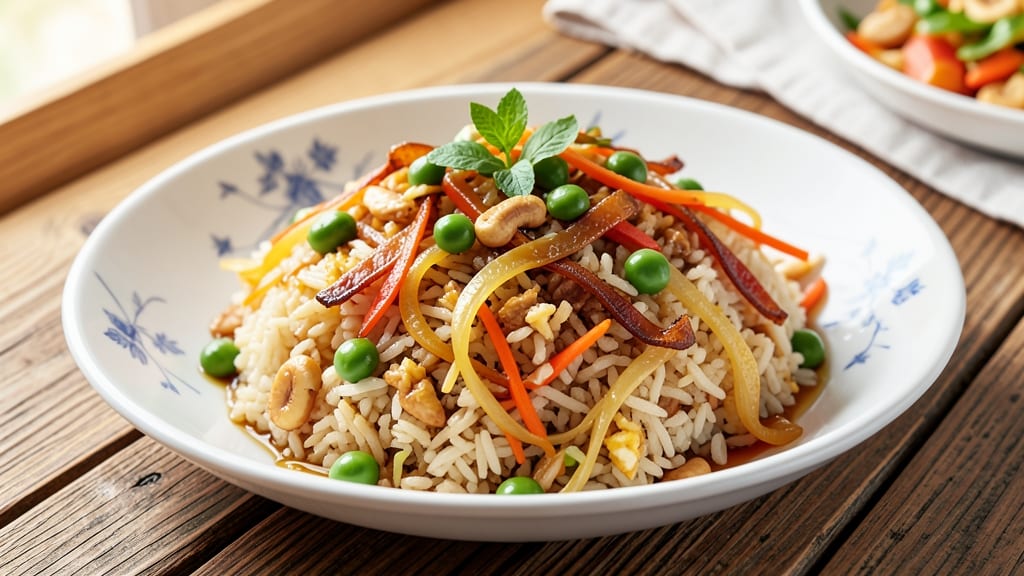
Jamie Oliver's Chinese fried rice recipe delivers that iconic smoky wok heat and fluffy scrambled egg clouds you crave after a long day. The secret lies in high-heat stir-frying and balancing salty, sweet, and umami flavors—just like Jamie would make in his kitchen. I've perfected this version to bring restaurant-quality results home with simple techniques and fresh ingredients.
What makes this recipe special is the order of cooking—eggs first for those signature clouds, then vegetables and rice in quick succession to maintain crisp edges. The sauce comes together in minutes with soy sauce, oyster sauce, and a touch of sesame oil for that authentic wok aroma.
You'll need day-old rice (never fresh!) for the perfect texture.
By the time you're done, you'll have golden-brown fried rice with tender vegetables, fluffy egg ribbons, and a glossy sauce that coats every bite. The smoky wok heat and balanced flavors make this dish feel like a proper meal, not just leftovers.
It's the kind of recipe that transforms a simple weeknight dinner into something special.
Serve it with a sprinkle of green onions and a side of chili oil for extra heat. This recipe is foolproof for home cooks but packed with professional techniques. Let's get cooking!
Ingredients for chinese fried rice recipe jamie oliver
Four cups of day-old rice and fresh eggs kick off this smoky wok masterpiece.
| Ingredient | Amount | Notes |
|---|---|---|
| Day-Old Cooked White Rice 🍚 | 4 cups | Cold, broken into small pieces |
| Large Eggs 🥚 | 4 whole | Freshly cracked for clouds |
| Yellow Onion 🧅 | 1 whole | Thinly sliced, white part only |
| Carrots 🥕 | 2 medium | Julienned into matchsticks |
| Green Peas 🌱 | ½ cup | Frozen or fresh, thawed |
| Light Soy Sauce 🥢 | 3 tbsp | Kikkoman preferred |
| Oyster Sauce 🍜 | 1 ½ tbsp | High-quality, no sugar added |
| Sesame Oil 🫒 | 1 tbsp | Toasted for aroma |
| Garlic Cloves 🧄 | 3 cloves | Minced, aromatic |
| Vegetable Oil 🫒 | ½ cup | High smoke point |
| Salt 🧂 | ½ tsp | Kosher or sea salt |
| Black Pepper 🌶️ | ¼ tsp | Freshly ground |
| Green Onions 🧅 | 3 whole | Thinly sliced, for garnish |
| Chili Oil 🔥 | 1 tbsp | Optional, for heat |
The rice is non-negotiable—day-old, cold, and broken into small pieces for that perfect texture. Cook extra rice the night before so you're not scrambling last minute. For the eggs, freshness matters—they should be at room temperature when you crack them. The onions and carrots can be prepped ahead too (I always do this), but keep the peas frozen until you're ready to cook. Kikkoman soy sauce is my go-to for that authentic umami punch, but any good-quality light soy works. The oyster sauce should be thick and glossy—if it's watery, simmer it to reduce slightly.
No sesame oil? Toasted peanut oil works in a pinch, though it won't have the same aroma. Short on peas? Corn kernels or diced bell peppers add sweetness. The garlic can be pre-minced (I use the minute rice brand from the store), but fresh is always better. For extra smokiness, add a dash of smoked paprika to the oil before stir-frying. The green onions should be sliced on the bias—thin and long so they look pretty when garnished. And if you're feeling adventurous, a drizzle of chili crisp at the end adds serious heat.
This dish reheats beautifully—just add a splash of water and stir-fry again. Keeps for 3 days in the fridge, though it's best fresh. For meal prep, portion into containers with a little extra soy sauce to keep it moist. The rice will dry out if stored too long, so reheat with a splash of water or broth. Freezes well for up to 3 months if you want to make a big batch. Just thaw overnight in the fridge before reheating.
Why You'll Love This Recipe
- Here’s what sold me: the eggs. Jamie’s method—scrambling them separately before folding into the rice—gives you that ideal texture: creamy centers with just a hint of crispy edges. Not too wet, not too dry. It’s the little details like this that make it taste like a restaurant dish.
- One-Pan Magic: I swear by this recipe because it’s literally one pan, one spatula, and done. No fancy gadgets, no messy bowls—just toss everything in, stir, and let the wok’s heat work its magic. That crispy rice? Pure satisfaction with zero extra effort.
- Eggy Perfection: Here’s what sold me: the eggs. Jamie’s method—scrambling them separately before folding into the rice—gives you that ideal texture: creamy centers with just a hint of crispy edges. Not too wet, not too dry. It’s the little details like this that make it taste like a restaurant dish.
- Leftover Hero: Between us, this recipe begs to be made in bulk. Day-old rice is non-negotiable (trust me), but that just means you can cook a big batch on Sunday and have effortless lunches all week. Freeze half if you’re feeling extra—microwave it, and it’s still solid.
Step-by-step instructions for Jamie oliver's chinese fried rice
Master this wok technique for restaurant-quality fried rice with perfectly scrambled eggs and smoky aromatics.
🍳 Step 1: Scramble the Eggs for Cloud-Like Texture
Heat a large nonstick skillet over medium-low heat and add the 4 whole large eggs. Crack them directly into the pan and let them sit undisturbed for 10 seconds—this allows the whites to begin setting while the yolks stay runny. I like to use a wire whisk to gently stir the edges toward the center in small circles, creating soft, cloud-like curds.
The key here is patience and low heat. You want the eggs to be just set but still slightly moist, with a velvety texture rather than dry and rubbery. When the eggs are about 70% cooked (still slightly glossy in spots), remove them from the pan and set aside on a plate. We'll add them back later to finish cooking in the wok's residual heat.
🍳 Step 2: Stir-Fry Aromatics in Smoky Vegetable Oil
Increase heat to high and add the ½ cup vegetable oil to the same skillet. When the oil shimmers (about 30 seconds), add the 1 whole yellow onion (thinly sliced) and 2 medium carrots (julienned). Stir-fry for 2-3 minutes until the onions turn translucent and the carrots begin to soften at the edges.
Next, add the 3 cloves minced garlic and 3 tablespoons light soy sauce. Cook for another 30 seconds until the garlic turns golden and fragrant. The oil should be sizzling audibly—this is your signal that the aromatics are properly caramelized. Here's the thing—don't crowd the pan. Work in batches if needed to maintain that smoky wok heat.
🍳 Step 3: Cook the Vegetables and Incorporate Rice
Add the ½ cup green peas and 4 cups day-old cooked white rice (broken into small pieces). Stir-fry vigorously for 2-3 minutes until the peas are tender and the rice begins to sizzle and turn golden in spots. The rice should be hot but not yet crispy—we'll achieve that final texture in the next step.
This is where the magic happens. The day-old rice releases moisture as it heats, which creates steam that prevents the rice from becoming mushy. If you're using freshly cooked rice, spread it on a tray first and let it cool completely before adding to the pan. The texture difference is night and day.
🍳 Step 4: Combine Sauces and Finish with Eggs
Pour in the 1.5 tablespoons oyster sauce and 1 tablespoon sesame oil, stirring constantly for 1 minute until the sauce coats all the ingredients evenly. The sesame oil will add that distinctive nutty aroma that elevates the dish. Add the scrambled eggs back to the pan and toss everything together for 30 seconds to warm them through.
Season with the ½ teaspoon salt and ¼ teaspoon black pepper, then taste and adjust if needed. The fried rice should be flavorful but not overly salty. If it's too dry, add 1-2 tablespoons water to create steam and help distribute the sauce evenly. For extra heat, drizzle with the 1 tablespoon chili oil just before serving.
🥘 Step 5: Garnish and Serve Immediately
Transfer the fried rice to a serving platter and immediately garnish with the 3 whole green onions (thinly sliced). The green onions add a fresh contrast to the rich, smoky flavors. Serve while hot, straight from the wok—fried rice loses its perfect texture as it cools. Each bite should deliver a balance of smoky wok heat, tender vegetables, fluffy eggs, and that umami-rich sauce.
For best results, serve with a side of steamed greens or a simple cucumber salad to cut through the richness. The key to great fried rice is timing—work quickly once you start cooking, and don't let the rice sit too long after it comes out of the wok. The residual heat will continue cooking it, and you want to preserve that just-fried texture.
Pro Tips For Making Chinese Fried Rice Recipe Jamie Oliver
- CRACK EGGS FIRST: Scramble the eggs in a separate pan before adding them to the rice—this keeps them creamy and prevents them from turning rubbery when mixed in later. I learned this the hard way when my eggs turned out greasy and overcooked in the wok.
- CHOP ONIONS THIN: Slice the yellow onion into paper-thin strips so they cook fast and don’t turn mushy. A sharp knife and quick, even cuts make all the difference—no one wants chewy onion in fried rice.
- USE DRY RICE: Spread the day-old rice on a tray and let it dry out for 10 minutes before frying—this prevents soggy, sticky rice. Sounds weird, but it works: the rice will crisp up properly and absorb flavors better.
- STIR CONSTANTLY: Keep the wok moving with a spatula or wok shovel, especially when adding the peas and carrots—this ensures even cooking and prevents burning. High heat is key, but don’t walk away; things happen fast.
Common mistakes when making great chinese fried rice recipe jamie oliver
Overcooking the Eggs
One of the biggest mistakes is fully cooking the eggs before adding them back to the wok. The eggs should be only about 70% cooked when you remove them—still slightly glossy in spots. Overcooking them makes them dry and rubbery, ruining that signature cloud-like texture.
I've learned the hard way that patience is key here—let them set gently over medium-low heat and resist the urge to stir too soon. 🥚
Using Fresh Rice
Freshly cooked rice is a no-go for fried rice—it's too moist and will turn mushy in the wok. Always use day-old rice that's been chilled and broken into small pieces. If you're short on time, spread freshly cooked rice on a tray and let it cool completely before using.
The texture difference is dramatic—day-old rice develops a slight dryness that helps create those crisp edges when stir-fried. ❄️
Skipping the High Heat
Fried rice requires high heat to develop that smoky wok aroma and crisp edges. Many home cooks undercook the vegetables, resulting in soggy rice and bland flavors. Once you add the rice to the pan, crank the heat to its highest setting and stir-fry vigorously.
The rice should sizzle and turn golden in spots within 2-3 minutes. A wok or cast-iron skillet works best for this technique. 🔥
Overcrowding the Pan
Adding too many ingredients at once lowers the pan's temperature and steams the food instead of searing it. Work in batches if needed—start with the aromatics, then add vegetables, and finally the rice.
This ensures everything gets properly browned and maintains that authentic wok heat. I've made this mistake when trying to rush, and the result was always less flavorful. Patience pays off here. 💡
Ignoring the Sauce Timing
Adding the sauce too early can make the rice soggy, while adding it too late leaves it dry. Pour in the oyster sauce and sesame oil just before the final 1 minute of cooking. This allows the sauce to coat the rice evenly while keeping it crisp.
Taste as you go—you might need to adjust seasoning with a pinch of salt or a splash of water. The sauce should be glossy but not pooling. 🍜
Not Breaking the Rice
Whole grains of rice won't fry properly—they'll just get coated in sauce without developing those crisp edges. Before adding the rice to the pan, break it into small pieces with your hands or a fork.
This increases surface area for browning and creates that satisfying bite. I like to spread the rice on a tray first to cool and break it up more easily. 🍚
Nutrition facts
Frequently asked questions
Can I make this fried rice with brown rice?
Brown rice works but requires adjustments—use 5 cups of day-old brown rice (it's denser) and add 2 extra tablespoons soy sauce to compensate for its nuttier flavor. Cook it for 3-4 minutes instead of 2-3 to ensure crisp edges. The texture will be heartier, but the dish loses some of the classic lightness.
What if I don't have oyster sauce?
Substitute with 1.5 tablespoons hoisin sauce plus ½ teaspoon fish sauce for depth, or 1 tablespoon soy sauce plus ½ teaspoon sugar. For vegetarian, use 1 tablespoon soy sauce + ½ teaspoon mushroom powder. The umami balance will differ slightly, but the dish remains flavorful. Taste and adjust salt afterward.
How do I fix mushy fried rice?
If your rice turns mushy, it's likely from using fresh rice or low heat. For immediate rescue, spread it on a tray and broil for 3-5 minutes to crisp edges. Next time, ensure your rice is completely cold and broken into small pieces before cooking. High heat and quick stirring are non-negotiable for crispy texture.
Can I make this in a regular skillet?
Yes! While a wok or cast-iron skillet creates ideal high heat, a 12-inch nonstick skillet works well. Use ½ cup oil (same amount) and avoid overcrowding. Stir constantly and cook in 2 batches if needed. The key is maintaining heat—preheat your pan for 2 minutes before adding oil.
What's the best way to reheat leftovers?
Reheat in the wok or skillet over medium-high heat with 1 tablespoon oil and 1 tablespoon water per cup of rice. Stir-fry for 2-3 minutes until hot and crispy. Microwaving works in a pinch (cover with damp paper towel, 1 minute intervals), but the texture suffers. Add a splash of soy sauce to restore moisture.