
Sauces & Condiments
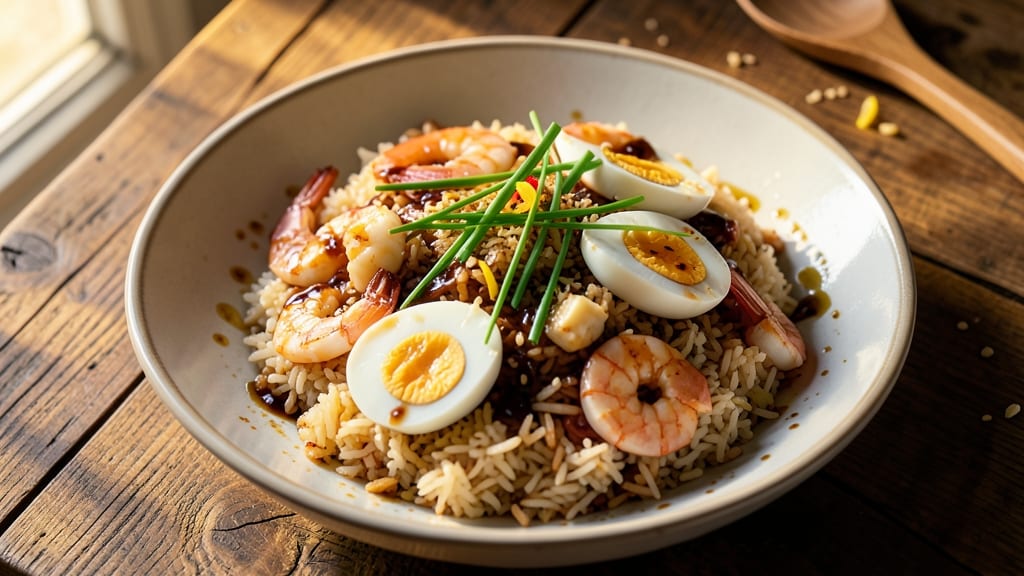
This Chinese fried rice recipe with oyster sauce delivers the perfect balance of wok-tossed crunch and silky egg fusion in every bite. The secret lies in high-heat stir-frying and a rich oyster sauce that transforms simple ingredients into a restaurant-worthy dish.
Whether you're cooking for family or meal prepping, this method ensures even texture and bold flavors without the fuss.
Start with day-old rice (or slightly undercooked fresh rice) to prevent mushiness, then build layers of flavor with garlic, ginger, and your choice of protein—egg is classic, but shrimp or chicken work beautifully.
The oyster sauce ties everything together, creating a savory, umami-packed finish that’s addictive. With just 15 minutes of active cooking, you’ll have a dish that tastes like it took hours to master.
Ingredients for chinese fried rice recipe with oyster sauce
High-heat wok-tossed rice with umami-rich oyster sauce and silky egg fusion—simple ingredients, restaurant-worthy results.
| Ingredient | Amount | Notes |
|---|---|---|
| Day-Old Cooked White Rice 🍚 | 4 cups | Cold or slightly undercooked preferred |
| Large Eggs 🥚 | 4 whole | Freshly beaten for silky texture |
| Large Shrimp (Peeled & Deveined) 🦐 | 1 lb | Tail-on for presentation, chopped |
| Oyster Sauce 🍶 | 3 tbsp | High-quality, like Lee Kum Kee |
| Light Soy Sauce 🥢 | 2 tbsp | For umami balance |
| Sesame Oil 🫒 | 1 tbsp | Toasted for aroma, added last |
| Garlic Cloves 🧄 | 4 cloves | Minced, for aromatic base |
| Fresh Ginger 🌿 | 1 tbsp | Finely grated, zesty kick |
| Scallions 🧅 | ¼ cup | Thinly sliced, green parts only |
| Vegetable Oil 🫒 | 3 tbsp | High smoke point for wok-heat |
| Salt 🧂 | ½ tsp | Diamond Crystal kosher preferred |
| Black Pepper 🌶️ | ¼ tsp | Freshly cracked for heat |
| Green Onions 🧅 | 2 whole | Thinly sliced, for garnish |
| Sesame Seeds 🌾 | 1 tsp | Toasted, for crunchy finish |
The rice is non-negotiable—day-old or slightly undercooked fresh rice prevents mushiness during stir-frying. Lee Kum Kee oyster sauce delivers that signature depth; cheaper brands lack the complexity. For shrimp, tail-on, headless options from the seafood counter add presentation value. If using chicken, cut it into small, even pieces so it cooks uniformly. The high-smoke-point vegetable oil (like Avocado or Canola) ensures proper wok-heat without burning flavors. Fresh ginger and garlic should be minced just before cooking to preserve their volatile oils.
No oyster sauce? Soy sauce plus a splash of fish sauce mimics the umami, though texture differs slightly. Substitute shrimp with chicken thighs (boneless, skinless) or tofu for plant-based versions. For extra crunch, add frozen peas or corn (thawed) to the wok. The sesame oil is purely aromatic—add it at the very end to prevent bitterness. If your scallions are thick, slice them lengthwise into thin ribbons for a more elegant presentation. For a vegetarian version, swap shrimp for extra-firm tofu pressed and cubed.
Prep ingredients in this order: rice first, then proteins, then aromatics. Keep everything within arm’s reach of the wok to maintain speed. Leftover fried rice reheats beautifully—microwave with a splash of water to restore moisture. Store in an airtight container for 3-4 days or freeze portions for up to 3 months. Garnish with sesame seeds and green onions right before serving to preserve freshness. The dish tastes even better the next day as flavors meld further.
Why You'll Love This Recipe
- One-Pan Magic: I swear by this trick—just toss everything into one hot wok or skillet. The eggs scramble into silky ribbons while the shrimp sizzles, and that day-old rice? It soaks up the oyster sauce like a sponge, turning limp grains into chewy, flavor-packed bites. No fancy equipment, no stress.
- Umami Bomb: That oyster sauce is where the real magic happens—salty, sweet, and deep all at once. A splash of light soy sauce cuts through the richness, and when you fold in those shrimp? The briny, slightly sweet snap makes every bite feel like a little reward. Honestly, it’s the kind of flavor that sticks with you.
- Lunchbox Hero: Between us, this is my go-to for packed lunches or feeding a crowd. Double the batch on Sunday, and you’ve got three easy meals—no reheating disasters, just reheat-and-go perfection. My kids even ask for it, and that’s saying something after they’ve tried every sad cafeteria option.
- Pocketbook Win: Shrimp might sound fancy, but a single bag goes a long way here. Day-old rice? That’s just whatever’s left in your fridge. Oyster sauce is cheap in bulk, and you’ll use it for stir-fries, marinades, or even drizzling over noodles. It’s the kind of recipe that makes grocery day feel less painful.
Step-by-step instructions for wok-tossed crunch and silky egg fusion
Mastering this technique delivers restaurant-quality fried rice with perfect texture and flavor balance.
Prepare the Protein and Aromatics
Start by beating the 4 whole large eggs in a bowl until the yolks and whites are fully combined and frothy. In a separate bowl, toss the 1 lb peeled and deveined shrimp with 0.5 tsp salt and 0.25 tsp black pepper. Finely mince the 4 cloves garlic and grate the 1 tbsp fresh ginger using a microplane for maximum surface area and flavor extraction.
Heat 2 tbsp vegetable oil in a wok or large skillet over medium-high heat until shimmering. Add the shrimp and cook for 2-3 minutes per side until they turn opaque and slightly pink at the edges. Remove the shrimp and set aside. In the same pan, add the remaining 1 tbsp vegetable oil and sauté the garlic and ginger for 30 seconds until fragrant but not browned. This quick cooking preserves their delicate flavors while building the aromatic base.
Create the Silky Egg Ribbons
Return the wok to medium heat and add the beaten eggs. Let them sit undisturbed for 5-10 seconds until the edges begin to set. Using a spatula, gently push the cooked edges toward the center while tilting the wok to allow the uncooked egg to flow to the edges. Continue this motion until the eggs form soft, silky ribbons that are just set but still slightly runny in the center. Remove the eggs and set aside with the shrimp.
This technique ensures the eggs maintain their delicate texture rather than becoming rubbery. The slight runniness in the center will cook further when combined with the hot rice, creating that signature velvety mouthfeel. If the eggs cook too quickly, reduce the heat slightly next time.
Stir-Fry the Rice Base
Increase the heat to high and add the remaining 1 tbsp vegetable oil. Add the 4 cups day-old cooked white rice, spreading it evenly in the wok. Stir-fry vigorously for 2-3 minutes, breaking up any clumps and using the heat of the wok to dry out the surface of each grain. This step is critical—you want the rice to be dry and separate rather than sticky.
Add the 0.25 cup scallions and 2 whole green onions, sliced thinly, and toss for 30 seconds to distribute evenly. Remove the wok from direct heat but keep it over the burner. Immediately pour in the 3 tbsp oyster sauce and 2 tbsp light soy sauce, stirring constantly to coat every grain of rice. The sauce should sizzle and begin to caramelize slightly, creating depth of flavor.
Combine and Finish with Umami Balance
Return the shrimp and egg ribbons to the wok, along with the 1 tbsp sesame oil. Toss everything together for 1-2 minutes until the shrimp are heated through and the rice is evenly coated. The sesame oil should infuse throughout, adding a nutty aroma that complements the savory oyster sauce. Taste and adjust seasoning if needed—you may need a pinch more salt or a splash of soy sauce for balance.
Remove from heat and transfer to a serving platter. Garnish with the 1 tsp toasted sesame seeds and any remaining green onion slices. The fried rice should have crisp-tender rice grains, silky egg ribbons, and juicy shrimp with a glossy, well-balanced sauce. Serve immediately while hot, as the texture will quickly change as it cools.
Pro Tips For Making Chinese Fried Rice Recipe With Oyster Sauce
- Break Eggs in Hot Pan: Crack the eggs directly into the wok after the oil is shimmering and shrimp are halfway cooked—this keeps yolks creamy and prevents rubbery curds. I used to scramble them first, and the texture always suffered. Wait until the pan is properly hot before adding them.
- Pat Shrimp Dry Like Crazy: Wrap peeled shrimp in paper towels and press hard for 30 seconds to remove all moisture—wet shrimp steams instead of searing. I learned this after a batch turned out soggy and bland. A quick towel rub makes the difference between a good stir-fry and a great one.
- Stir-Fry in Two Batches: Overcrowding drops the pan’s temperature and steams the rice. Cook half the shrimp first, push to one side, then add eggs to the empty space before mixing everything together. This keeps the wok hot and gives you that signature crisp-tender texture.
- Use Cold Day-Old Rice: Chill the rice in the fridge overnight—it’s drier and absorbs sauces better than room-temperature rice. I used to use freshly cooked rice, and it always turned mushy. Cold rice also prevents the stir-fry from getting gummy.
Make-ahead tips for leftovers
Prep Ahead
Cook the rice one day in advance and refrigerate it uncovered for 30-60 minutes before storing in an airtight container. This removes excess moisture, ensuring perfect texture when reheated.
For shrimp, peel, devein, and chop them up to 2 days ahead and store in the fridge—they’ll keep their texture better than if pre-cooked. Keep the oyster sauce, soy sauce, and sesame oil in separate small containers to prevent flavor cross-contamination. 🧂
Freezer-Friendly
Portion the fried rice into single-serving airtight containers (like Glasslock 16-ounce containers) before freezing. Label each with the date—it stays fresh for up to 3 months.
When ready to eat, thaw overnight in the fridge, then reheat in the microwave with 1 tablespoon water per serving for 2-3 minutes, stirring halfway. For stovetop reheating, use medium-low heat with a splash of water to restore moisture. 🥶
Protein Prep
If using chicken or tofu instead of shrimp, prep them a day ahead but cook just before stir-frying. Chicken should be marinated in 1 tbsp soy sauce and 1 tsp cornstarch (for crispiness) for 30 minutes, then patted dry.
Tofu should be pressed for 20 minutes, cubed, and tossed in 1 tsp sesame oil to prevent sticking. Keep proteins separate from aromatics until ready to cook to maintain freshness. 🍗
Sauce Prep
Mix the oyster sauce, soy sauce, and 1 tsp sugar (optional) in a small bowl up to 3 days ahead. Store in the fridge—this prevents clumping and ensures even flavor distribution. If using homemade oyster sauce (simmer oyster extract with soy sauce), let it cool completely before storing.
For extra convenience, pre-measure the sesame oil in a tiny dropper bottle—just 1 squeeze at the end adds perfect aroma. 🍶
Garnish Ready
Toast the sesame seeds in a dry skillet over low heat for 2 minutes, shaking constantly, until golden. Store in a small jar with a tight lid at room temperature for up to 2 weeks.
Thinly slice the green onions and keep them in a sealed container in the fridge—they’ll stay crisp for 5-7 days. Add garnishes right before serving to keep them vibrant and fresh. ✨
Reheat Like a Pro
For best texture, reheat in a wok or large skillet over medium-high heat with 1 tbsp oil per serving. Toss for 3-4 minutes until heated through—this reactivates the wok-hei (breath of the wok) for that restaurant-quality crunch.
If microwaving, cover with a damp paper towel and heat in 30-second intervals, stirring between each, until 165°F internal temperature. Avoid reheating more than once to prevent dryness. 🔥
Nutrition facts
Frequently asked questions
Can I use freshly cooked rice instead of day-old?
Fresh rice works but needs special handling—cook it slightly underdone (about 1 minute less than package instructions) and spread it on a tray to cool uncovered for 30 minutes before using. This removes excess moisture that would turn your fried rice mushy. For best results, use cold rice (even if fresh) to achieve that signature crisp-tender texture.
What's the secret to silky egg ribbons?
Low-and-slow heat is key! Beat eggs until just combined, then cook on medium heat without stirring for 5-10 seconds to set the edges. Use a spatula to gently push cooked egg toward the center while tilting the pan—this creates those signature ribbons. Remove them when they're just set but still slightly runny in the middle; they'll finish cooking when mixed with the hot rice.
How do I make this vegetarian?
Swap shrimp for extra-firm tofu pressed for 20 minutes and cubed, or use chicken thighs (boneless, skinless) marinated in 1 tbsp soy sauce + 1 tsp cornstarch for 30 minutes. For extra umami, add 1 tbsp vegetarian oyster sauce substitute (or 1 tsp mushroom powder + 1 tsp soy sauce). Boost texture with frozen peas or corn (thawed) added during the final stir-fry.
Why did my fried rice turn out soggy?
Soggy rice usually means one of three things: overcooked fresh rice, too much sauce, or not enough heat. Start with day-old rice or undercooked fresh rice, and use high heat to dry the grains before adding sauce. For 4 cups rice, 3 tbsp oyster sauce + 2 tbsp soy sauce is perfect—add more gradually if needed. Always stir-fry vigorously to create that crisp-tender texture.
Can I make this with store-bought fried rice?
Technically yes, but texture suffers—store-bought rice is pre-fried and lacks the fresh, wok-tossed crunch. If you must, use uncooked white rice (like sushi rice) and follow the same method, or try jasmine rice cooked slightly underdone. For best results, stick with day-old rice—it's the foundation of authentic fried rice flavor and texture.