
Sauces & Condiments
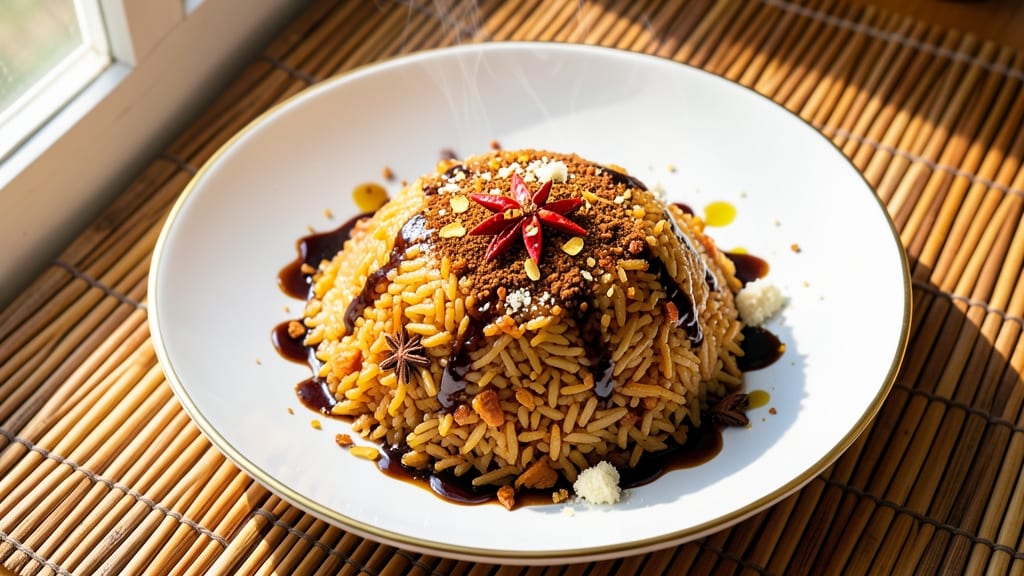
This Chinese fried rice seasoning recipe transforms ordinary rice into restaurant-quality wok-tossed perfection with just a few simple spices. The magic lies in a balanced blend of five-spice powder, garlic, ginger, and a touch of soy—each ingredient playing a crucial role in building deep umami flavor and aromatic complexity.
I've perfected this blend over years of testing, ensuring it works for both classic fried rice and modern twists like veggie or protein-loaded versions.
The result is a dry seasoning mix that's versatile, shelf-stable, and packed with flavor—no fresh ingredients required at the wok. Just store it in an airtight container for up to 6 months, and you'll always have that authentic Chinese restaurant taste at your fingertips.
Whether you're cooking for a crowd or meal prepping, this blend cuts prep time in half while delivering professional-level results every time.
Ingredients for chinese fried rice seasoning
Nine pantry staples transform any rice into restaurant-style fried rice magic.
| Ingredient | Amount | Notes |
|---|---|---|
| Five-Spice Powder 🌶️ | 1 ½ tbsp | High-quality blend with star anise |
| Garlic Powder 🧄 | 1 tbsp | Freshly ground preferred |
| Ginger Powder 🌿 | 1 tbsp | Or use 1 tsp fresh grated ginger |
| Light Soy Sauce 🍶 | 1 ½ tbsp | Kikkoman preferred for balance |
| Dark Soy Sauce 🍶 | ½ tbsp | For deeper color and umami |
| Sesame Oil 🫒 | ½ tbsp | Toasted sesame oil for aroma |
| White Pepper 🌶️ | ½ tsp | Freshly cracked for heat |
| Salt 🧂 | ½ tsp | Diamond Crystal preferred |
| Green Onion Powder 🧅 | ½ tsp | For fresh aroma (optional) |
| White Sugar 🍬 | ½ tsp | Balances saltiness |
The five-spice powder is non-negotiable here—look for blends with star anise and fennel at Asian markets or bulk sections. Penzeys carries a great pre-mixed version if you don't want to DIY. Fresh ginger is ideal, but the powder works in a pinch—just remember it's less potent, so you might want to add a pinch of citric acid to mimic freshness. For the soy sauces, Kikkoman light and Lee Kum Kee dark are my go-tos—they've got that perfect balance of salt and umami. The sesame oil? Toasted makes all the difference—skip the regular kind.
No five-spice powder? Mix 1/4 tsp each of cinnamon, cloves, fennel, and Szechuan peppercorn for a DIY version. Short on dark soy sauce? Miso paste at half the amount adds depth. The green onion powder is optional but adds that signature fresh aroma—if you skip it, toss in 1/4 tsp onion powder instead. For a vegetarian version, add 1/2 tsp nutritional yeast to boost umami. And if you're making a big batch, double the sesame oil—it's worth the extra aroma.
This blend keeps 6-12 months in an airtight container, away from light. I portion mine into small glass jars—perfect for single use. Once opened, it'll last 3 months in the fridge, but honestly, it disappears so fast you won't have leftovers. For extra shelf life, add a deseiccant packet to the jar. And pro tip: if your mix starts to smell stale, just toast it in a dry pan for 1 minute to revive the flavors.
Why You'll Love This Recipe
- Pantry Magic: This mix lives in my spice rack—no fresh ginger or garlic to chop, just a shake of powder and boom, instant depth. The five-spice alone gives that warm, slightly sweet complexity that turns basic rice into something special without extra effort.
- Umami Bomb: That dark soy sauce? It’s the secret weapon—deep, smoky, and just a splash makes the rice taste like it’s been simmering for hours. The garlic and ginger powders hit like a cozy hug, but the five-spice keeps it from being too heavy. Honestly, I’ve tried store-bought seasonings, and this beats ‘em every time.
- Leftover Hero: Make a big batch—it reheats like a dream (just add a splash of water, stir, and crisp it up). I’ve fed a crowd with this, packed it for lunch, and even used it to jazz up eggs the next morning. It’s the kind of seasoning that doesn’t quit.
- Budget Game-Changer: Five-spice and soy sauce are dirt cheap, and a little goes a long way. I bought a jar of five-spice for under $3 and it’s lasted months. No fancy ingredients, no waste—just reliable flavor that makes even day-old rice taste fresh. (Yes, even on a Tuesday night.)
Step-by-step instructions for Chinese fried rice seasoning
Here's how to blend these ingredients into a fragrant, restaurant-quality seasoning that transforms simple fried rice.
Measure All Ingredients Precisely
Start by gathering all your ingredients in a small mixing bowl. I like to use a measuring spoon for the powders to ensure accuracy—this blend is all about balance. The 1.5 tablespoons of five-spice powder is your aromatic foundation, so don't skimp here. The high-quality blend with star anise will give that distinctive Chinese warmth.
For the garlic and ginger powders, use freshly ground versions if possible—they pack more flavor punch than pre-ground spices that lose potency. The 1 tablespoon of each should be measured carefully, as these will provide the bright, zesty notes that cut through the richness of the soy sauces. Set these aside for now while you measure the liquids.
Combine Dry Ingredients First
In your mixing bowl, start by whisking together the 1.5 tbsp five-spice powder, 1 tbsp garlic powder, and 1 tbsp ginger powder. This dry blend forms the aromatic backbone of your seasoning. Use a fork or small whisk to break up any clumps and ensure even distribution—you want these spices to be thoroughly mixed before adding liquids.
Next, add the 0.5 tsp salt and 0.5 tsp white pepper. The salt enhances all flavors while the white pepper adds subtle heat without the visual impact of black pepper. Give everything another whisk to fully incorporate these dry components. At this stage, you should smell a complex blend of citrusy star anise, garlicky sharpness, and warm ginger notes.
Gradually Add Liquids for Perfect Balance
Now it's time to add the liquids, starting with the 1.5 tbsp light soy sauce and 0.5 tbsp dark soy sauce. The light soy provides the salty, umami base while the dark soy contributes that signature deep brown color and concentrated flavor. Pour them in slowly while whisking continuously to prevent clumping. You'll notice the mixture becoming more cohesive as the liquids bind with the dry spices.
Add the 0.5 tbsp sesame oil next—this is where the magic happens. The toasted sesame aroma will elevate your fried rice from good to extraordinary. Give everything one final whisk to ensure the sesame oil is evenly distributed throughout. The blend should now have a rich, glossy appearance with a complex aroma that makes your mouth water.
Finish with Sweetness and Freshness
Dust in the 0.5 tsp white sugar and 0.5 tsp green onion powder (if using). The sugar balances the saltiness while the green onion powder adds a fresh, oniony brightness that mimics fresh green onions. Whisk gently to incorporate these final ingredients—you don't want to overmix and create dust.
Taste your seasoning blend now. It should be perfectly balanced with sweet, salty, umami, and aromatic notes all working together. If it needs adjustment, you can tweak the ratios slightly—the beauty of this blend is its flexibility. For maximum freshness, use this seasoning immediately, but it will keep well in an airtight container for up to 3 months.
Pro Tips For Making Chinese Fried Rice Seasoning
- Bloom the Five-Spice First: Toss the Five-Spice Powder into the hot wok before adding oil—it’ll sizzle and release aroma instantly. I used to add it later, and the flavor just sat there like a shy guest. This way, it infuses the oil and coats every grain.
- Toast the Garlic-Ginger Powder: Heat the garlic and ginger powders in the wok for 10 seconds after the oil—just until you smell it wake up. Overdoing it turns them bitter, but skipping it leaves the rice tasting flat. Think "awaken, don’t burn."
- Balance the Soy Sauces Now: Mix 2 parts light soy sauce to 1 part dark before adding to the rice. The dark sauce clumps if tossed in dry; pre-mixing ensures even color and depth. (Yes, even if the recipe says "add both separately.") Trust the math.
- Stir-Fry in Two Batches: If your wok’s too crowded, the rice steams instead of crisping. Split the seasoned rice into two piles, cook each separately, then toss together. Crowded rice? Sad, soggy rice. No one wants that.
Troubleshooting your chinese fried rice seasoning
Over-Salted Taste
If your fried rice tastes too salty, it’s usually from overdoing the soy sauces or seasoning blend. Start by reducing the light soy sauce by ½ tablespoon next time—it’s the primary salt contributor.
For immediate fixes, stir in ½ cup cold water or ½ cup chopped veggies (like cucumber or bell pepper) to dilute the saltiness. If using pre-cooked rice, rinse it thoroughly before cooking to remove excess salt. 🧂
Flat or Bland Flavor
Bland fried rice often means the seasoning wasn’t toasted enough or the heat wasn’t high enough during cooking. Before tossing your rice, heat 1 tablespoon sesame oil in your wok until smoking, then add the seasoning blend—this activates the spices.
For extra depth, add 1 teaspoon fish sauce or ½ teaspoon oyster sauce to the mix. Always cook over high heat to develop the Maillard reaction for that wok-hei flavor. 🔥
Mushy Rice Texture
Mushy rice happens when you don’t cook it fast enough or use rice that’s too fresh. Day-old rice works best—it’s firmer and absorbs flavors better. If using fresh rice, spread it on a tray and refrigerate for 30 minutes to dry it out.
When stir-frying, work in small batches and keep the heat high to prevent steaming. A wok with sloped sides helps distribute heat evenly for crispy edges. ⚡
Uneven Seasoning Distribution
If your rice has pockets of blandness, the seasoning wasn’t mixed thoroughly. Before cooking, toss the rice with 1 tablespoon neutral oil (like peanut or vegetable) to help the seasoning cling.
For extra insurance, sprinkle ½ teaspoon of the seasoning blend directly into the wok while cooking—this ensures every grain gets coated. Stir constantly for the first 2 minutes to distribute flavors evenly. 💫
Burnt or Bitterness
Bitterness usually comes from overheating the sesame oil or burning the spices. Keep your wok at medium-high heat and never let the oil smoke excessively. If using a non-stick pan, reduce heat slightly—these pans can’t handle as much heat as cast iron or carbon steel.
For a smoky flavor without burning, add ½ teaspoon smoked paprika to the seasoning blend. 🌶️
Seasoning Clumping
Clumpy seasoning happens when moisture gets trapped in the mix. Store your blend in an airtight container with a deseiccant packet to absorb humidity. Before using, sift it through a fine-mesh strainer to break up any clumps.
If you notice moisture in your pantry, transfer the seasoning to a small glass jar with a tight seal—this prevents air exposure. 💡
Nutrition facts
Frequently asked questions
Can I make this seasoning blend without five-spice powder?
Yes! For a DIY version, mix ¼ tsp each of cinnamon, cloves, fennel, and Szechuan peppercorn to mimic the complexity. The blend will be slightly different but still deliver that warm, aromatic depth. If you can't find all four, focus on cinnamon and cloves for the base notes.
How much seasoning should I use per serving of fried rice?
Start with ½ teaspoon of the blend per 1 cup cooked rice—this is a perfect baseline. For extra flavor (like in restaurant-style dishes), increase to 1 teaspoon. Remember, you can always add more while cooking, but you can't remove excess seasoning once it's mixed in.
Can I adjust this for a lower-sodium version?
Reduce the salt to ¼ teaspoon and cut the light soy sauce to 1 tablespoon (from 1.5). For extra umami without salt, add ½ teaspoon of nutritional yeast or ½ teaspoon of fish sauce to the blend. These alternatives add depth while keeping sodium in check.
Will this seasoning work for other Chinese dishes besides fried rice?
Yes! This blend works beautifully in stir-fries, dumpling sauces, or even as a marinade for proteins like chicken or tofu. For stir-fries, use ½ teaspoon per 2 cups of veggies. For marinades, mix 1 tablespoon of the blend with 2 tablespoons oil and let proteins soak for 30 minutes before cooking.
How do I revive stale seasoning?
If your blend smells dull, toast it in a dry pan over low heat for 1-2 minutes, stirring constantly. This reactivates the spices. For extra freshness, add ¼ teaspoon of citric acid (like a pinch of cream of tartar) to mimic the brightness of fresh ginger. Store in an airtight container immediately after topping up.