
Main Courses
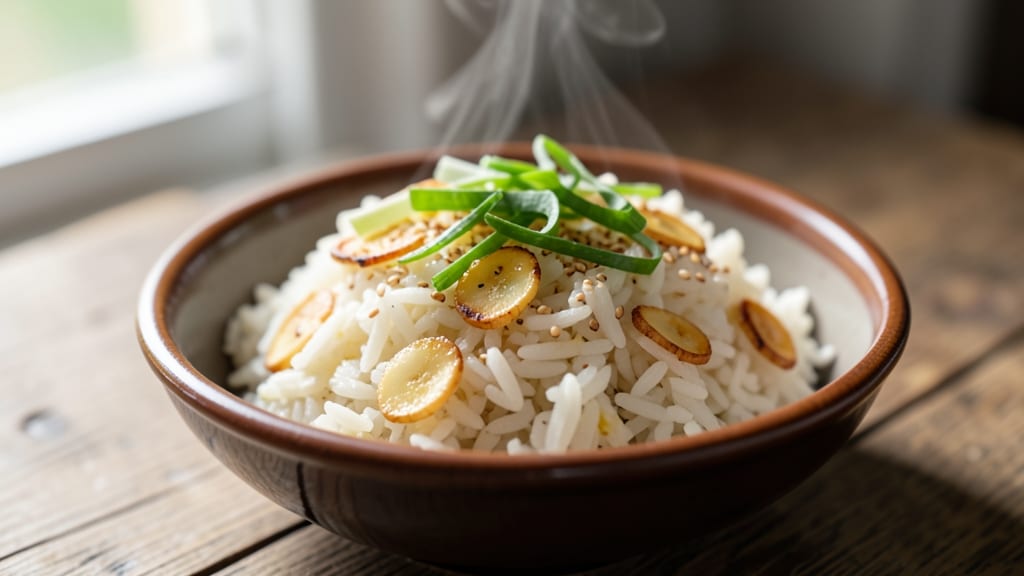
This Chinese restaurant rice recipe brings the wok hei aroma and satisfying texture of your favorite takeout dish straight to your kitchen. The secret lies in perfectly steamed jasmine rice with a crispy garlic crunch—just like the golden bits you scrape from restaurant plates.
I’ve recreated the balance of tender grains, fragrant aromatics, and that signature toasted garlic flavor that makes every bite irresistible.
The foundation starts with long-grain jasmine rice, steamed to fluffy perfection, then finished with toasted garlic and a touch of soy sauce for depth.
What sets this apart is the technique: high-heat stir-frying for the garlic ensures maximum crunch without burning, while a light sprinkle of sesame oil adds another layer of aroma. This isn’t just rice—it’s the base that transforms any protein or vegetable into a restaurant-worthy meal.
By the time you’re done, you’ll have a fragrant, slightly sticky rice with pockets of crispy garlic and a subtle umami kick from the soy. The texture is exactly what you crave: tender grains with just enough resistance to hold up to stir-fries, soups, or even as a standalone dish.
Serve it alongside your favorite Chinese-inspired proteins or vegetables for a meal that tastes like a night out, made at home.
This recipe works equally well for classic fried rice, as a side for dumplings, or even as a filling for bao buns. The method is straightforward but delivers restaurant-quality results—no shortcuts, just the techniques that make the difference. Let’s get cooking!
Ingredients for chinese restaurant rice
Jasmine rice, garlic, and sesame oil—just three ingredients transform into restaurant-style rice.
| Ingredient | Amount | Notes |
|---|---|---|
| Long-Grain Jasmine Rice 🍚 | 2 cups | Uncooked, rinsed thoroughly |
| Fresh Garlic Cloves 🧄 | 10 whole | Peeled, sliced thin |
| Light Soy Sauce 🥢 | 1 ½ tbsp | Kikkoman preferred |
| Toasted Sesame Oil 🫒 | 1 tbsp | For aroma, not cooking |
| Vegetable Oil 🫒 | 2 tbsp | High smoke point |
| Water 💧 | 2 ½ cups | Filtered preferred |
| Salt 🧂 | ½ tsp | Fine sea salt |
| White Peppercorns 🌶️ | ¼ tsp | Freshly ground |
| Green Onions 🧅 | 2 whole | Sliced thin, white and green parts |
| Sesame Seeds 🌾 | 1 tbsp | Toasted lightly |
| Rice Vinegar 🍶 | 1 tsp | For brightness |
The jasmine rice is everything here. Look for Thai-grown in the Asian aisle—it’s the same stuff you get in restaurants. Lotus Foods or Trader Joe's have great options, but any long-grain jasmine works. Don’t skip rinsing the rice first—removes excess starch so it stays separate. Fresh garlic matters too; pre-minced loses flavor fast. The toasted sesame oil? Kadoya or La Choy are solid brands, but any toasted oil will do—just don’t use the regular kind. For the garlic, slice it paper-thin so it cooks fast and stays crispy.
No sesame oil? Avocado oil at half the amount works in a pinch, but you’ll miss that nutty aroma. Light soy sauce hard to find? Regular soy sauce with a pinch of sugar mimics the sweetness. The white pepper is key for that restaurant texture—skip black pepper, it’s too bold. Green onions can be subbed with regular onions (white parts only), but the green adds freshness. For extra umami, toss in a dash of fish sauce (if not vegetarian). The rice vinegar balances everything—apple cider vinegar in a bind, but it’ll taste different.
Steamed rice keeps 3-4 days in the fridge, but the garlic flavor peaks fresh. For leftovers, store in an airtight container with a paper towel to absorb moisture. Freeze portions for up to 3 months—thaw overnight in the fridge. Double the batch and use it for fried rice, dumplings, or bao fillings. The garlic bits crisp up beautifully when reheated—just add a splash of water and cover. This rice is your flavor base, so make extra while you’re at it.
Why You'll Love This Recipe
- No-Chop Necessary: I swear by this—just rinse the jasmine rice, toast the garlic in oil until it smells like a street cart, and let the soy sauce do the work. That’s it. No dicing, no peeling, no stress.
- Umami Bomb: One whiff of that toasted sesame oil hitting the pan with the garlic? Instant restaurant vibes. The light soy sauce ties it all together—salty, savory, with just enough depth to make plain rice feel like a celebration.
- Lunchbox Legend: Between us, this is my go-to for packed lunches. Cold or reheated, it’s still got that fragrant, slightly sticky texture. Toss it with leftover chicken or veggies, and suddenly you’ve got a meal that feels fancy but costs next to nothing.
- Pantry Hero: I make a big batch on Sundays—it keeps for days in the fridge, reheats in minutes, and never gets boring. Plus, the ingredients? Cheap. A bag of rice, a bulb of garlic, a bottle of soy sauce—that’s it. Budget-friendly magic.
Step-by-step instructions for Chinese restaurant-style jasmine rice
Let's make restaurant-quality rice that's fragrant, perfectly tender, and packed with that signature garlic crunch.
Prepare the Rice for Perfect Texture
Rinse the 2 cups of long-grain jasmine rice under cold water in a fine-mesh strainer until the water runs completely clear. This removes excess starch that would make the rice gummy. Give it a gentle shake in the strainer to loosen any clumps, then transfer it to a medium pot.
Add the 2.5 cups of water and the 0.5 teaspoon of salt. Stir gently once to distribute the salt evenly. The rice should be submerged by about ½ inch—this ensures even cooking without sticking. Bring to a boil over medium-high heat, then immediately reduce to a simmer. Here's the thing—don't stir again until it's fully cooked. Stirring releases more starch and creates mushy rice.
Cook the Rice to Al Dente Perfection
Cover the pot tightly with a lid and simmer for exactly 12 minutes. Set a timer—this precise timing is crucial for that perfect texture. You'll know it's ready when all the water has been absorbed and the rice is tender but still has a slight bite in the center. If you peek and see water still, cover and cook 2 more minutes.
I like to test doneness by pressing a grain between my fingers—it should feel firm but yield slightly. Remove from heat and let it steam, covered, for 5 minutes. This resting period allows the rice to finish cooking evenly and develop that fragrant aroma. Don't skip this step—it makes all the difference in texture.
Toast the Garlic for Maximum Flavor
While the rice steams, heat the 2 tablespoons of vegetable oil in a small skillet over medium heat. Add the 10 sliced garlic cloves and cook, stirring frequently, until they turn golden brown—about 3-4 minutes. Watch carefully—they'll go from pale to deep golden in seconds. Remove from heat immediately as they'll continue cooking from residual heat.
Transfer the garlic to a paper towel-lined plate to drain excess oil. Here's the trick: don't let them burn. Burnt garlic tastes bitter and ruins the delicate flavor. The golden color indicates perfect toasting—this creates that signature aromatic crunch you find in restaurant rice.
Fluff and Finish with Aromatics
Using a fork, gently fluff the rice in the pot to separate the grains. This creates those signature air pockets that make restaurant rice look so inviting. Stir in the toasted garlic cloves, 1.5 tablespoons of light soy sauce, and the 1 tablespoon of toasted sesame oil. The sesame oil adds that nutty aroma without cooking—just stir it in at the end.
Finally, sprinkle the rice with the 1 teaspoon of rice vinegar, the 0.25 teaspoon of freshly ground white peppercorns, and the 1 tablespoon of toasted sesame seeds. The vinegar brightens the flavors while the pepper adds subtle heat. Taste and adjust seasoning if needed—you might want to add a touch more soy sauce for saltiness or vinegar for brightness.
Garnish and Serve Immediately
Transfer the rice to a serving dish and garnish with the sliced green onions. I like to fan them out artistically over the top for that restaurant presentation. The white parts add a mild onion flavor while the green parts provide freshness and color contrast. Serve immediately while the garlic is still crisp and the rice is at its peak texture.
This rice pairs perfectly with stir-fries, braised dishes, or even as a standalone side. The key to its success lies in the precise cooking time, proper resting, and those perfectly toasted garlic cloves. Each bite should deliver fragrant, tender rice with that satisfying crunch and complex flavor profile that makes restaurant rice so special.
Pro Tips For Making Chinese Restaurant Rice
- STIR-FRY THE GARLIC: Use a wok or deep skillet on high heat—get that garlic sizzling fast before it burns. I learned this the hard way: once I let it linger too long, and the whole dish tasted bitter. Toss in the minced cloves with the vegetable oil, then immediately add the rice to coat it evenly.
- RINSE THE RICE TWICE: Cold water rinses remove excess starch, so your rice stays separate and fluffy. I skip this when I’m lazy, but the dish is noticeably better when I don’t—no gummy clumps, just that perfect single-grain texture.
- COOK THE RICE AL DENTE: Pull it off the heat while it’s still slightly firm—it’ll finish steaming in the pan. After burning three batches, I finally figured out that Chinese restaurant rice isn’t mushy; it’s got a slight bite. Let it sit covered for 5 minutes before stirring in the soy and sesame oil.
- USE LESS SOY SAUCE: Start with half the amount listed, then taste as you go. Light soy sauce is salty, and you can always add more, but you can’t take it out. My grandmother swore by this, and she was right: a little goes a long way, especially if you’re also using toasted sesame oil for depth.
Essential equipment for this dish
Wok for Crispy Garlic
While you could use a small skillet, a 12-inch carbon steel wok is my secret weapon for that restaurant-style garlic crunch. The flat bottom distributes heat evenly, while the high sides prevent splatter. I love the De Buyer wok—it’s durable and heats up fast—but any well-seasoned wok works.
For budget-friendly options, Made In woks from Amazon are a great starter. If you don’t have a wok, a non-stick frying pan works in a pinch, but you’ll lose some of that signature wok hei aroma. 🔥
Steam Basket for Fluffy Rice
A bamboo steam basket is essential for restaurant-quality rice texture. It allows steam to circulate evenly, preventing soggy bottoms. I use a 12-inch bamboo steamer with a tight-fitting lid, but if you don’t have one, a fine-mesh colander over a pot of boiling water works too.
For electric rice cookers, look for models with a steaming function—the Zojirushi NS-L10 is a top pick. The key is keeping the rice off direct heat during the final resting phase to maintain that perfect al dente bite. ⏰
Fine-Mesh Strainer for Perfect Rinse
Skipping the rinse step is the #1 mistake that turns restaurant-style rice into mushy glue. A fine-mesh stainless steel strainer (like the OXO Good Grips) is perfect for rinsing jasmine rice thoroughly. The tiny holes remove excess starch without losing grains.
If you’re in a hurry, a clean kitchen towel can work—just rub the rice between your palms until the water runs clear. Pro tip: Rinse the rice in batches if you’re making a large quantity to avoid clogging the strainer. 💧
Digital Thermometer for Garlic Perfection
Toasting garlic to the perfect golden brown is an art, and a digital instant-read thermometer (like the ThermoWorks Thermapen) takes the guesswork out of it. Aim for 350°F—this ensures the garlic cooks through without burning.
Without one, watch closely: the garlic should turn deep golden in 3-4 minutes, not dark brown. Overcooked garlic turns bitter, so remove it immediately when it reaches the ideal color. A timer also helps—set it for 3 minutes and check frequently. 🌡️
Wooden Rice Spoon for Fluffing
A wooden rice paddle (or a fork in a pinch) is the best tool for fluffing rice without crushing the grains. The wide, flat surface gently separates the rice while creating those signature air pockets.
I prefer a bamboo rice paddle—it’s gentle on the rice and adds an authentic touch. If you don’t have one, a silicon spatula works too, but avoid metal utensils, which can damage the rice’s texture. The goal is to break up clumps while preserving the individual grains. ✨
Air-Tight Container for Storage
To keep your restaurant-style rice fresh for leftovers, store it in an airtight glass container (like Pyrex) with a paper towel on top to absorb excess moisture. This prevents sogginess and keeps the garlic crispy for up to 3 days in the fridge.
For longer storage, freeze portions in quart-sized freezer bags—thaw overnight in the fridge before reheating. When reheating, add a splash of water and cover to restore moisture. The right container makes all the difference in maintaining that restaurant-quality texture. ❄️
Nutrition facts
Frequently asked questions
Can I use basmati rice instead of jasmine?
Basmati rice works in a pinch, but it won't give you that signature fragrant aroma. For authentic restaurant-style rice, jasmine's floral notes are essential. If you must substitute, look for Thai-grown basmati—it's closer in texture to jasmine rice. The key difference is that jasmine rice stays slightly sticky when cooled, which is perfect for absorbing flavors.
Why does my restaurant-style rice turn out mushy?
Mushy rice usually means overcooking or skipping the rinse step. Always rinse the rice thoroughly before cooking to remove excess starch. Also, don't stir the rice after boiling—this releases more starch. The 12-minute simmer time is crucial, and the 5-minute resting period lets the rice finish cooking properly without turning gummy.
Can I make this rice ahead of time?
Yes! This rice actually tastes better the next day. Store it in an airtight container with a paper towel to absorb moisture. The garlic will soften slightly but still add great flavor. For best texture, reheat in a skillet with a splash of water and cover for 2-3 minutes to restore moisture. The rice keeps well for 3-4 days in the fridge.
What's the secret to that crispy garlic crunch?
The secret is high heat and precise timing. Use a wok or skillet on medium-high heat and stir constantly. The garlic should turn deep golden in 3-4 minutes—not dark brown. Remove immediately when it reaches this color, as it continues cooking from residual heat. Slice the garlic paper-thin so it cooks quickly and stays crispy.
How can I make this vegetarian?
This recipe is already vegetarian-friendly! The flavor comes from the aromatics and seasonings, not animal products. For extra umami, add a dash of vegetarian fish sauce (like Red Boat) or a sprinkle of nutritional yeast. The toasted garlic and sesame oil provide plenty of depth without any meat. It works perfectly as a side for tofu stir-fries or veggie dumplings.