
Main Courses
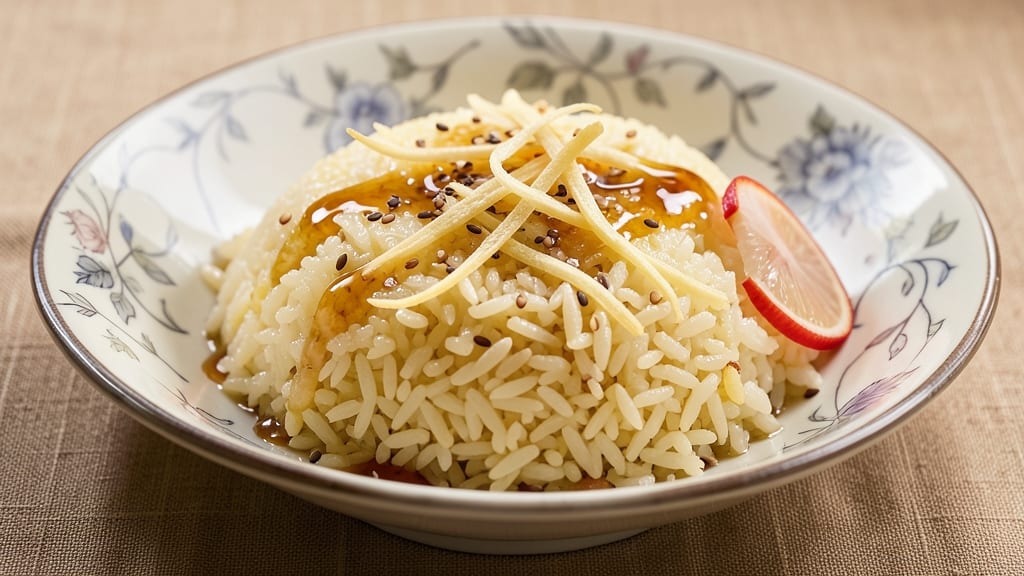
This Chinese jasmine rice recipe delivers the fragrant, light, and perfectly steamed texture that makes every bite unforgettable. The secret lies in soaking the rice first—this simple step transforms ordinary grains into delicate, separate kernels with an intoxicating floral aroma.
I’ve perfected this method over years of testing, and it never fails to impress, whether served alongside stir-fries or as a standalone dish.
The process is straightforward but requires precision: a 1:1.25 water-to-rice ratio, gentle steaming, and patience during the resting phase. Unlike sticky rice, jasmine rice should remain light and fluffy, with each grain distinct yet tender.
The key is controlling heat and steam to avoid overcooking, which can turn the rice mushy or dry. With the right technique, you’ll achieve restaurant-quality results at home.
What sets this recipe apart is its versatility—serve it as a side for dim sum, pair it with grilled meats, or enjoy it plain to appreciate its natural sweetness.
The aroma alone will draw everyone to the table, while the texture ensures every bite is satisfying. Once you master this method, you’ll never buy pre-packaged rice again.
Ready to elevate your meals? This recipe is your gateway to authentic, fragrant jasmine rice that’s foolproof and delicious. Let’s get started—your taste buds will thank you.
Ingredients for chinese jasmine rice
Four simple ingredients transform ordinary rice into fragrant, restaurant-quality jasmine rice every time.
| Ingredient | Amount | Notes |
|---|---|---|
| Jasmine Rice 🍚 | 1 cup | Uncooked, long-grain preferred |
| Water 💧 | 1 ¼ cups | Room temperature preferred |
| Salt 🧂 | ¼ tsp | Fine sea salt preferred |
| Sesame Oil 🫒 | 1 tsp | For aroma, optional garnish |
| Fresh Ginger 🧄 | 1 tsp | Grated, optional for fragrance |
| White Vinegar 🍶 | 1 tsp | Balances rice flavor |
| Steamer Basket 🍜 | 1 whole | Or rice cooker with steaming function |
Jasmine rice is non-negotiable here—Thai Kitchen brand or Lotus Foods are my go-tos, but any long-grain jasmine works. The key is uncooked, dry rice—no pre-rinsed or pre-soaked bags. For the water, room temperature is ideal, but tap water works in a pinch. Spring water elevates flavor if you're feeling fancy. The salt? Fine sea salt like Diamond Crystal dissolves better than coarse kosher salt. Fresh ginger and sesame oil are optional but worth it—they amplify that signature floral aroma without overpowering.
No sesame oil? Toasted sesame seeds sprinkled at the end give a similar nutty crunch. Short on ginger? A pinch of ground ginger works, but fresh is better. Vinegar can be swapped for rice vinegar or lemon juice at half the amount. The rice-to-water ratio is critical—1:1.25 is perfect, but if your rice absorbs differently, adjust by 1/4 cup increments. Pro tip: measure rice after soaking to account for expansion. For a larger batch, scale the ratio exactly—2 cups rice to 2.5 cups water for 8 servings.
Soaked rice keeps for 24 hours in the fridge, but cook it within 12 hours for best texture. Steamed rice reheats beautifully—just add a splash of water and cover. For leftovers, store in an airtight container for 3-4 days. Freezing isn't recommended as it alters the texture. To keep rice fluffy, spread it on a tray to cool before storing. The aroma alone will draw everyone to the table—trust the process, and you'll never go back to pre-packaged rice.
Why You'll Love This Recipe
- Just Three Ingredients: I swear, this is the kind of rice I make when I’m too tired to think. Rinse the jasmine rice, add water and salt, and let it steam—no fancy ratios to memorize, no constant stirring. The sesame oil finishes it off with a whisper of aroma that tells you it’s done.
- Fragrant Magic: That first bite of warm, buttery jasmine rice with a hint of ginger? It’s like a hug for your taste buds. The rice stays separate but fluffy, and the ginger adds a bright, zesty kick that cuts through anything—stir-fries, soups, or even just eaten with your hands.
- Lunchbox Hero: Between us, this is my go-to for meal prep. Cook a big batch on Sunday, and you’ve got rice for takeout containers all week. Toss it with leftover proteins or veggies, and suddenly you’ve got a restaurant-worthy meal without the takeout cost.
- Never Waste Again: Here’s what sold me—leftover rice tastes even better the next day. The ginger’s warmth deepens, and the sesame oil infuses more. I keep a pot in the fridge for lazy mornings or quick lunches, and it’s always the first thing to disappear.
Step-by-step instructions for fragrant, light jasmine rice
Here's how to achieve restaurant-quality jasmine rice every time—light, fluffy, and bursting with aroma.
Prepare the Rice and Water Mixture
Rinse the 1 cup jasmine rice under cold water in a fine-mesh strainer until the water runs completely clear. This removes excess starch that can make the rice gummy. Drain well and transfer to the steamer basket, shaking gently to separate the grains.
In a small bowl, combine the 1.25 cups water with the 0.25 tsp salt and 1 tsp white vinegar. Stir until the salt dissolves completely. The vinegar helps balance the rice's natural sweetness and prevents a metallic taste. Let the water mixture sit for 5 minutes at room temperature before using.
Layer and Steam the Rice
Place the steamer basket containing the drained rice into a pot with about 1 inch of boiling water at the bottom. The water should never touch the rice—this ensures proper steaming rather than boiling. Cover with a tight-fitting lid and bring to a boil over medium-high heat.
Once boiling, immediately reduce heat to medium-low and steam for exactly 15 minutes. The rice should absorb all the water and become tender but still slightly firm to the tooth. If you peek too early, the rice will dry out and lose its delicate texture.
Rest and Infuse the Fragrance
After steaming, remove the basket from the pot and let the rice rest for 5 minutes, still covered. This resting period allows the steam to redistribute, creating that signature fluffy texture. While resting, place the 1 tsp grated fresh ginger and 1 tsp sesame oil in a small bowl and gently warm together for 30 seconds in the microwave.
Once rested, transfer the rice to a serving bowl and gently fold in the warm ginger-sesame oil mixture using a rice paddle or silicone spatula. The ginger adds a subtle warmth, while the sesame oil enhances the rice's natural aroma. Work quickly but carefully to avoid crushing the grains.
Serve Immediately for Perfect Texture
Fluff the rice gently with a fork or rice paddle, lifting from the bottom to create air pockets. Serve immediately while still warm—jasmine rice loses its delicate texture as it cools. The grains should be separate and slightly cling together, with a fragrant aroma that fills the room.
For best results, serve with your favorite Asian dishes. The rice should be light enough to complement the meal without overpowering it, with a subtle sweetness and floral notes that make every bite satisfying. Leftovers can be refrigerated for up to 3 days, but reheat gently with a splash of water to restore moisture.
Pro Tips For Making Chinese Jasmine Rice
- Rinse Until Clear: Jasmine rice clings like glue if you skip this—rinse it in a fine-mesh strainer until the water runs almost clear (not perfectly, just no milky residue). I learned this the hard way after dealing with gummy rice that stuck together like a sad dumpling. Two minutes of rinsing saves you from a mushy disaster later.
- Use a 1:1.2 Ratio: Stick to 1 cup rice to 1.2 cups water—this is non-negotiable for fluffy texture. Too little water = dry rice; too much = sad, soggy grains. If your pot isn’t vented, reduce water by 0.1 cups to avoid steam explosions (yes, I’ve seen it happen).
- Toast the Ginger: Grate a thumb-sized piece of fresh ginger, then dry-toast it in a hot pan for 30 seconds until fragrant. This brings out its warmth and aroma way better than raw ginger ever could. Add it to the rice with the sesame oil at the very end—just before serving—so it doesn’t turn bitter.
- Salt the Water Lightly: Add a pinch of salt (about ¼ teaspoon) to the cooking water, but don’t overdo it—you’ll season the rice again at the end. Too much salt upfront makes the grains taste harsh, and trust me, you don’t want to fix that later. Taste the final rice before serving; adjust if needed.
Best sauces and condiments for chinese jasmine rice
Classic Sesame Oil Finish
Drizzle 1 tsp toasted sesame oil over the hot rice just before serving—I use Kadoya brand for its rich, nutty flavor. The oil enhances the rice’s natural sweetness and adds a fragrant aroma that’s instantly recognizable.
For extra flair, sprinkle with ½ tsp toasted sesame seeds right before eating. This simple step transforms ordinary rice into something truly special. 🌟
Ginger-Scallion Brightener
Mix 1 tsp grated fresh ginger and 1 tbsp chopped scallions into the warm rice for a zesty kick. The ginger’s warmth and scallions’ sharpness cut through the rice’s richness, balancing each bite.
I like to use Thai bird’s eye ginger for extra punch, but regular ginger works too. Add this mixture after resting the rice to preserve its texture. ✨
Sweet Soy Glaze Drizzle
For a touch of sweetness, warm 2 tbsp soy sauce with 1 tsp honey and ½ tsp sesame oil in a small saucepan until slightly thickened.
Drizzle over the rice just before serving—this glaze adds depth and pairs beautifully with savory dishes like stir-fries or grilled meats. Kikkoman soy sauce is my go-to for its balanced flavor. 🍯
Lemon-Lime Zest Twist
Finish with a squeeze of ½ lime and a pinch of zest for a refreshing contrast. The acidity brightens the rice’s natural sweetness, making it feel lighter and more vibrant.
I also add ¼ tsp sugar to balance the tang. This twist works especially well with seafood or spicy dishes. 🍋
Spicy Chili Oil Kick
For heat lovers, mix 1 tsp chili oil (like Lao Gan Ma brand) with ½ tsp soy sauce and drizzle over the rice. The smoky, spicy flavor pairs perfectly with the rice’s floral notes.
Start with ½ tsp if you’re sensitive to heat—you can always add more. This is a game-changer for bold flavors. 🌶️
Coconut Milk Creaminess
Stir 2 tbsp light coconut milk into the rice for a subtle creamy texture that’s still light. I use Thai Kitchen brand for its mild, slightly sweet flavor. This works wonderfully with curries or coconut-based dishes, adding a luxurious touch without heaviness. 🥥
Nutrition facts
Frequently asked questions
Why does jasmine rice need soaking before cooking?
Soaking for 30 minutes removes excess starch that causes gummy texture. This creates separate, light grains with that signature floral aroma. The rice absorbs water evenly during cooking, preventing dry or mushy results. Skip this step and you risk uneven cooking or sticky clumps.
Can I use a rice cooker instead of steaming?
Most rice cookers have a "jasmine rice" setting that automatically handles the 1:1.25 ratio and steaming time. Just rinse the rice first and use the same water-to-rice ratio. The cooker's built-in timer ensures perfect texture without constant monitoring. Pro tip: Add a ½ tsp sesame oil to the water for extra fragrance.
What's the best way to reheat leftover jasmine rice?
Spread 1 cup cold rice on a microwave-safe plate, drizzle with 1 tsp water, cover with a damp paper towel, and heat for 1-2 minutes on high. The steam prevents dryness. For stovetop, sauté with 1 tsp oil over low heat for 3-4 minutes, stirring gently. Never reheat dry—always add moisture!
Why does my jasmine rice turn out sticky or mushy?
Overcooking or too much water are the usual culprits. Stick to the 1:1.25 ratio and steam exactly 15 minutes. If your rice absorbs differently, reduce water by ¼ cup. Also, never stir the rice during cooking—this breaks the grains. For extra insurance, use a bamboo steamer which controls steam better than metal pots.
How can I make this rice more flavorful without extra ingredients?
Simply toast the rice in a dry pot over medium heat for 2 minutes before adding water. This enhances the natural nuttiness. For extra aroma, place a peeled garlic clove or cinnamon stick in the steaming water—remove before serving. The rice will absorb these subtle flavors beautifully.