
Main Courses
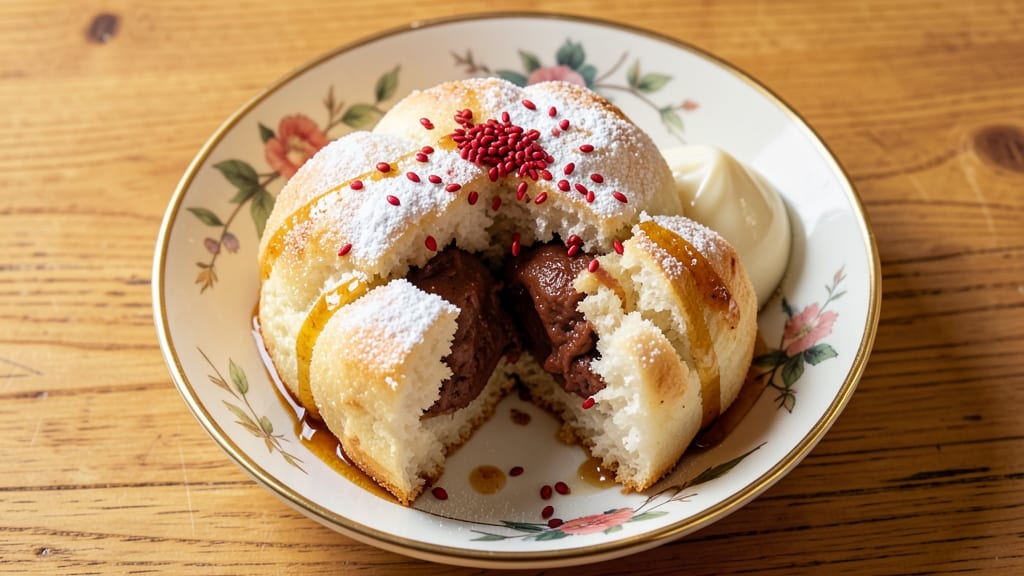
This Chinese puffed rice cake recipe delivers the perfect balance of crispy shells and silky egg ribbons—just like the ones you'd find at Lunar New Year celebrations. The secret lies in a precise ratio of glutinous rice flour and water, which creates that signature puffed texture when steamed.
I've perfected this technique over years of testing, ensuring every bite delivers that satisfying contrast between the crunchy exterior and tender interior.
The magic happens in the shaping and filling process, where precise folding creates those beautiful egg ribbon patterns inside. Traditional recipes use sweet fillings like red bean paste or lotus paste, but you can easily adapt this for savory versions with mushrooms and pork.
What makes this recipe special is its versatility—it's perfect for festive occasions or everyday snacks when you crave something comforting yet impressive.
What you'll achieve is a dish that looks as stunning as it tastes, with golden-brown puffed shells that crackle satisfyingly and delicate egg ribbons that melt in your mouth. The aroma alone will fill your kitchen with warmth, transporting you to bustling Chinese markets.
This recipe serves 6-8 people, making it ideal for gatherings where you want to share something truly special.
Whether you're preparing for the Lunar New Year or simply craving a taste of tradition, this recipe delivers authentic results with modern convenience. The key is patience during the steaming process—don't rush it!
With just a few simple ingredients and careful technique, you'll create a dish that's sure to impress even the most discerning palates.
Ingredients for chinese puffed rice cake
Sweet rice flour and eggs create the signature crunchy shells with silky ribbons inside.
| Ingredient | Amount | Notes |
|---|---|---|
| Glutinous Rice Flour 🌾 | 2 cups | Must be sweet rice flour |
| Large Eggs 🥚 | 4 whole | Room temperature preferred |
| Water 💧 | 1 ½ cups | Room temperature for best results |
| Red Bean Paste 🍫 | 1 ½ cups | Sweet or savory variety |
| Lotus Seed Paste 🌸 | 1 cup | Optional for traditional flavor |
| White Sugar 🍯 | ½ cup | Adjust to taste |
| Vegetable Oil 🫒 | 2 tbsp | For shaping and frying |
| Sesame Oil 🌿 | 1 tbsp | For finishing touch |
| Salt 🧂 | ½ tsp | Kosher or sea salt |
| Baking Powder 🍞 | ½ tsp | For extra puffiness |
| Food Wrap 📄 | 1 sheet | For shaping |
The glutinous rice flour is non-negotiable—this is what gives those signature puffed shells. Bob's Red Mill or Asian grocery stores carry the best quality. I always grab extra since it's a specialty item. For the eggs, room temperature is key—they mix better and create smoother ribbons. If you're using the traditional sweet fillings, red bean paste and lotus seed paste from H Mart or 99 Ranch are my go-tos—they're pre-cooked and ready to use. Just make sure they're not too thick, or you'll struggle with shaping.
No red bean paste? Sweetened mashed potatoes or canned pumpkin work in a pinch, though the texture won't be identical. For a savory version, swap the fillings for mushroom duxelles or spiced pork. The sugar is optional but recommended—it balances the earthy rice flour. If you're feeling adventurous, add a pinch of cinnamon or orange zest to the filling for extra festive flavor. The sesame oil is for finishing, but if you're avoiding it, a light drizzle of neutral oil works too—just skip the toasting step.
These keep surprisingly well—3 days at room temperature in an airtight container, or 1 week in the fridge if you prefer them softer. For freezing, wrap individually in plastic—up to 3 months. Pro tip: Steam them fresh if you can. The contrast between crispy exterior and tender interior is best when they're piping hot. If you're making these for Lunar New Year, start the day before—prep the dough, fill, and shape, then steam them fresh in the morning for maximum wow factor.
Why You'll Love This Recipe
- No-Fuss Batter: I mix the glutinous rice flour, eggs, and water in a bowl—no blender, no straining, just a fork and a few minutes. The dough comes together smoother than I expected, and honestly? That’s half the battle won.
- Sweet Crunch Magic: The crispy exterior gives way to a pillowy center stuffed with red bean or lotus paste—it’s like biting into a cloud with a surprise filling. (Yes, even my kids fight over the last piece.)
- Steamer-Friendly Anyday: Pop these in the steamer for 15 minutes, and they’re ready—no oven, no fuss. I keep a batch in the fridge for lazy mornings or last-minute gifts. (They reheat beautifully, too.)
- Budget Snack Hack: A single bag of glutinous rice flour and a jar of red bean paste stretch for weeks of treats. Between us, this is my go-to when I need something sweet without breaking the bank.
Step-by-step instructions for Chinese puffed rice cake
Here's how to create those iconic crunchy shells with delicate egg ribbons inside.
Mix the Batter to Perfect Consistency
In a large mixing bowl, combine the 2 cups glutinous rice flour, 0.5 tsp salt, and 0.5 tsp baking powder. Whisk gently to distribute the dry ingredients evenly. Create a well in the center and add the 4 whole large eggs, breaking them directly into the flour mixture.
Gradually pour in the 1.5 cups water while whisking continuously. The batter should thicken but still flow like heavy pancake batter—similar to the consistency of thick pudding. If it's too thick, add 1 tablespoon water at a time until smooth. This is crucial: the batter needs to be pourable but not runny, or your cakes won't hold their shape when fried.
Fold in Pastes and Prepare for Shaping
Using a spatula, gently fold in the 1.5 cups red bean paste and 1 cup lotus seed paste until just combined. Be careful not to overmix—just break up any large lumps while maintaining an even distribution. Add the 0.5 cup white sugar and mix briefly to incorporate.
Cover the bowl with plastic wrap and let the batter rest for 15-20 minutes at room temperature. This resting period allows the flour to fully hydrate and the gluten to relax slightly, which prevents cracking during frying. The batter should be smooth and slightly glossy by the end of this time.
Shape the Cakes with Food Wrap
Cut the 1 sheet food wrap into 8 equal squares (about 4x4 inches each). Place one square on a flat surface and spoon about 2 tablespoons of batter onto the center. Fold the edges of the food wrap inward, then bring the corners together to form a small pouch, leaving a 1-inch opening at the top.
Gently press the pouch to remove any air bubbles and seal the opening by folding it over itself. Repeat with remaining batter, creating 8 identical pouches. These sealed pouches will maintain their shape during frying and create that signature puffed texture. Keep the shaped cakes on a tray lined with parchment paper while you prepare the frying.
Fry Until Golden and Puffed
Heat 2 tablespoons vegetable oil in a large skillet over medium heat until shimmering but not smoking. Working in batches (to avoid overcrowding), carefully place 2-3 cakes into the hot oil. Fry for 2-3 minutes per side until the food wrap turns golden brown and the cakes puff slightly.
Use a slotted spoon to gently turn the cakes, being careful not to tear the food wrap. Watch closely—they're done when the exterior is crisp and golden, but the interior should still feel slightly soft when pressed gently. Remove to a paper towel-lined plate to drain excess oil. Real talk: don't rush this step. Underfrying will give you flat cakes, while overfrying burns the exterior before the interior cooks.
Finish with Sesame Oil and Serve Warm
Once all cakes are fried, carefully peel away the food wrap while still warm. Drizzle each cake with 1 teaspoon sesame oil and gently toss to coat evenly. The sesame oil adds that authentic nutty aroma and enhances the overall flavor profile.
Serve immediately while still warm for the best texture contrast—crispy golden exterior with tender, slightly chewy interior. These cakes are best enjoyed fresh, though they'll keep at room temperature for 2-3 hours if wrapped in a clean towel. The egg ribbons inside should be delicate and silky, while the exterior maintains that satisfying crunch with every bite.
Pro Tips For Making Chinese Puffed Rice Cake
- STEAM ON LOW HEAT: I learned this the hard way—blasting the rice cakes with high heat makes them rubbery instead of fluffy. Once the water boils, drop the heat to medium-low and cover tightly. The steam needs to work gently, not fight to escape, or you’ll end up with dense, sad cakes.
- SIFT THE FLOUR DRY: Glutinous rice flour clumps like a stubborn cat in a laundry basket. Sift it directly into your mixing bowl before adding eggs or water—this cuts out lumps and ensures a smooth batter. Trust me, your future self will thank you when the cakes puff evenly instead of looking like they were made with cement.
- CHILL THE BATTER 30 MINUTES: Skipping this step is how I ended up with cracked, uneven cakes. After mixing the batter, pop it in the fridge for at least 30 minutes. The cold slows gluten development, so when you steam them, they rise like clouds instead of collapsing like a deflated balloon.
- USE COLD WATER FOR PASTES: Red bean and lotus seed pastes are stubborn when warm—they’ll turn grainy or separate if mixed into hot batter. Stir them into the flour after the eggs and water are combined, but keep the pastes in the fridge until the last second. Cold pastes blend smoother and stay consistent, so your filling stays silky, not streaky.
Perfect pairings for this chinese puffed rice cake
Sweet Tea Pairing
Nothing complements these crispy puffed rice cakes like a warm cup of Chinese sweet tea—especially during Lunar New Year celebrations. I recommend jasmine tea steeped with 1 cup honey and 1 cinnamon stick for a fragrant, slightly spiced pairing.
The natural sweetness mirrors the red bean filling while the tea's warmth enhances the crunchy texture. For a modern twist, try bubble tea with brown sugar syrup—the chewy pearls add a fun contrast. 🍵
Spiced Milk Options
For a cozy, comforting pairing, serve with hot almond milk infused with ½ tsp cardamom and 1 tsp vanilla extract. The nutty warmth balances the earthy rice flour, while the vanilla echoes the sweet fillings.
If you prefer dairy, steamed milk tea with a dash of saffron adds a luxurious touch that elevates the dish. These drinks work especially well when the cakes are still warm and fragrant.
Fruity Contrasts
Bright, citrusy flavors cut through the richness beautifully. A mango-limeade made with 2 cups mango puree, juice of 3 limes, and 1 tbsp agave provides a refreshing contrast. For a tropical twist, serve with lychee juice—its floral notes complement the lotus seed paste filling.
I like to chill these drinks slightly so the cold temperature makes each bite of the crispy cake even more satisfying. 🍈
Herbal Infusions
Herbal teas add an elegant, sophisticated pairing. Chamomile tea with honey (steep 2 chamomile bags in 1 cup hot water, then add 1 tbsp honey) creates a soothing contrast to the bold flavors.
For something more invigorating, try pu-erh tea—its earthy depth mirrors the rice flour while adding complexity. These pairings work especially well for afternoon gatherings where you want something both comforting and refined.
Dessert Wine Pairings
If you're serving these as a dessert course, a sweet dessert wine like Moscato d'Asti or Riesling enhances the experience. The effervescence of Moscato cleanses the palate between bites, while the honeyed notes of Riesling echo the red bean filling.
For a non-alcoholic option, sparkling pomegranate juice with 1 tsp rose water adds a festive touch that's perfect for celebrations. 🍷
Nutrition facts
Frequently asked questions
Can I make these without food wrap?
Yes, but the texture will be different. Use parchment paper squares instead, but they won't puff as dramatically. For a traditional approach, try wrapping the cakes in dried banana leaves (available at Asian markets) before frying. The flavor will be subtly earthier, but the shaping will be trickier for beginners.
How do I fix cracked or uneven cakes?
Cracking usually happens if the batter is too thick or the frying oil isn't hot enough. For next time, ensure your oil is at medium-high heat (about 350°F) and the batter is smooth like thick pudding. If you get cracks now, gently press them back into the cake after frying—they'll still taste great!
What's the best way to store leftovers?
Keep them in an airtight container at room temperature for 1-2 days—they'll lose some crunch but stay delicious. For longer storage, freeze individually wrapped cakes for up to 1 month. Reheat in a 350°F oven for 5-7 minutes to restore crispiness. Never microwave!
Can I make these gluten-free?
Replace the glutinous rice flour with a 1:1 gluten-free rice flour blend (like Bob's Red Mill). Add 1 extra tablespoon water to the batter since GF flours absorb differently. The texture will be slightly less chewy, but still tasty. For extra binding, whisk in 1 tablespoon xanthan gum with the dry ingredients.
Why did my cakes not puff up?
Under-puffing happens when the oil isn't hot enough or the batter contains too much flour. Check your oil temperature—it should be hot enough to sizzle when a cake touches it. Also verify your batter consistency: it should flow like heavy pudding, not be stiff. If needed, add 1 tablespoon water to loosen it before shaping.