
Main Courses
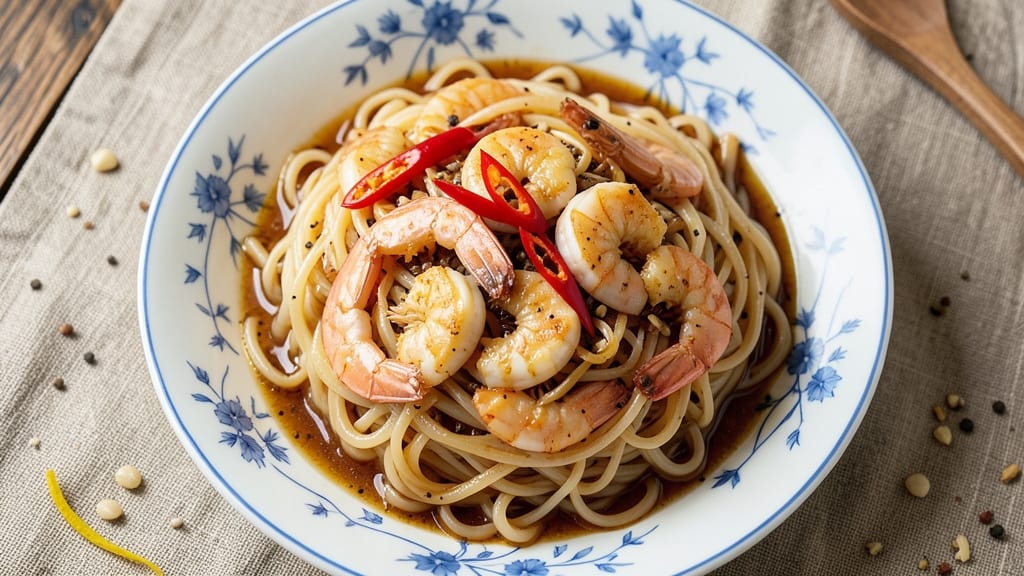
This Chinese rice noodles with shrimp recipe delivers the perfect balance of silky noodles and crisp-tender shrimp, wok-tossed to golden perfection in minutes. The secret lies in properly soaking the rice noodles—just enough to soften without turning mushy—while marinating the shrimp in a simple garlic-chili mixture for maximum flavor.
I’ve perfected this dish over years of testing, ensuring every bite is packed with umami from soy sauce, a touch of sweetness from fish sauce, and a bright kick from fresh lime.
The result is a dish that’s light yet satisfying, with chewy noodles clinging to succulent shrimp and a sauce that’s sticky, savory, and just spicy enough to linger.
Serve it over a bed of fresh herbs or with a sprinkle of sesame seeds for extra texture, and pair it with a side of steamed greens or a simple cucumber salad.
This recipe is your go-to for weeknight dinners that taste like they came from a bustling Cantonese kitchen—without the fuss.
Ingredients for chinese rice noodles with shrimp
Pantry staples meet fresh seafood for this wok-tossed harmony of textures and flavors.
| Ingredient | Amount | Notes |
|---|---|---|
| Rice Noodles 🍜 | 8 oz | Stir-fry or rice noodles, uncooked |
| Large Shrimp 🦐 | 1 ½ lb | Peeled, deveined, tail-on |
| Garlic Cloves 🧄 | 6 cloves | Minced for marinade |
| Fresh Chili Peppers 🌶️ | 2 whole | Thinly sliced, like Thai or serrano |
| Light Soy Sauce 🥄 | ⅓ cup | For marinade and sauce |
| Fish Sauce 🍶 | 1 tbsp | For umami depth |
| Sesame Oil 🫒 | 1 tbsp | Toasted for aroma |
| Lime Juice 🍋 | ¼ cup | Freshly squeezed |
| Neutral Oil 🫒 | 3 tbsp | Peanut or vegetable oil |
| Fresh Cilantro 🌿 | ¼ cup | Chopped for garnish |
| Toasted Sesame Seeds 🌰 | 1 tbsp | For texture contrast |
| Brown Sugar 🍯 | 1 tbsp | For balanced sweetness |
| Salt 🧂 | 1 tsp | Adjust to taste |
| Black Pepper 🌶️ | ½ tsp | Freshly cracked |
The shrimp is the star here, so freshness is non-negotiable. Look for shrimp with a bright, translucent sheen and a clean ocean scent—Asian markets or high-end grocery seafood counters are your best bets. If you can't find tail-on shrimp, tail-off works, but save the tails for garnish. For the rice noodles, stir-fry or vermicelli noodles are ideal—avoid instant noodles, which are too thin and dry. Soak them in warm water for exactly 5-7 minutes before draining well, or they'll turn mushy in the wok. The garlic and chili peppers should be freshly minced—pre-minced garlic lacks the punch this dish needs.
No sesame oil? Toasted peanut oil or avocado oil works in a pinch, but it'll lack that nutty aroma. Fish sauce substitutes? Soy sauce plus a dash of oyster sauce gets you close, though it won't have the same depth. Running short on shrimp? Scallops or white fish fillets hold up well to the same technique, but they'll cook faster—keep them out of the wok until the very end. The brown sugar can be swapped for honey or agave, but sugar's granular texture helps create that signature sticky sauce. And if you're sensitive to heat, reduce the chili to just 1 pepper or use mild jalapeños instead.
Prep ahead to save time: Marinate the shrimp and chop all veggies while the noodles soak. The sauce keeps for 3 days in the fridge, but the noodles are best made fresh—they lose their chewiness overnight. For leftovers, store components separately: noodles, shrimp, and sauce in airtight containers. Reheat the sauce first, then toss with noodles and shrimp over high heat for 2 minutes to restore that wok-tossed crunch. Garnish with fresh cilantro and sesame seeds right before serving—they add freshness that wilts when reheated.
Why You'll Love This Recipe
- 20-Minute Magic: I swear, the noodles soften in seconds—no boiling drama, just a quick soak in hot water. That’s right, no pot to monitor, no waiting around. The shrimp sizzles in the same pan while the garlic and chili wake up the whole dish with zero fuss.
- Umami Bomb: The light soy sauce and garlic turn these shrimp into something ridiculously flavorful—salty, sweet, and just a hint of heat. That first bite? Crispy shrimp with chewy noodles, all while the chili peppers add a bright, zesty kick that lingers.
- Weeknight Workhorse: Between us, this is the dish I make when I’m too tired to think. Double the recipe, pack it for lunch, or serve it over rice if I’m feeling lazy. Honestly, it’s my go-to for date nights, solo dinners, or when friends drop by unannounced.
- Budget-Friendly Feast: Shrimp might seem fancy, but a pound goes a long way here. The noodles are cheap, the soy sauce stretches the flavor, and leftovers? They’re even better the next day. I’ll be real: this is how I feed my family without breaking the bank.
Step-by-step instructions for wok-tossed shrimp noodles
Here's how to create restaurant-quality shrimp noodles with perfect texture and bold flavors.
Prepare the Shrimp and Marinade
Pat the 1.5 lb large shrimp dry with paper towels and season generously with 1 tsp salt and 0.5 tsp black pepper. In a small bowl, whisk together 0.33 cup light soy sauce, 1 tbsp fish sauce, 1 tbsp brown sugar, 6 cloves minced garlic, and 2 whole thinly sliced fresh chili peppers. Add the shrimp to the marinade and toss to coat evenly. Let it marinate for 15-20 minutes at room temperature - this ensures tender shrimp with maximum flavor penetration.
While the shrimp marinates, mince 6 cloves garlic finely and thinly slice 2 whole fresh chili peppers (remove seeds for less heat if preferred). The marinade should develop a rich, aromatic scent - this is your signal that the shrimp is ready for cooking. I always use a sharp knife for the chili peppers to maintain even slices that cook quickly.
Cook the Rice Noodles
Bring a large pot of water to a rolling boil. Add the 8 oz rice noodles and cook for exactly 2 minutes - they'll finish cooking in the wok. The noodles should be tender but still slightly firm to the bite when you test one. Drain immediately in a colander and rinse briefly with cold water to stop the cooking process. I use cold water only for 5 seconds - any longer and they'll turn mushy.
Transfer the drained noodles to a large bowl and toss gently with 1 tbsp toasted sesame oil. This step prevents the noodles from sticking together and adds that signature nutty aroma. Keep the noodles covered with a damp towel until ready to use - they'll absorb moisture from the air and stay pliable for the wok toss.
Stir-Fry the Shrimp and Aromatics
Heat 3 tbsp neutral oil in a wok or large skillet over high heat until shimmering. Add the marinated shrimp in a single layer and cook undisturbed for 1-2 minutes until the bottoms turn opaque. Flip the shrimp and cook another 30 seconds until just opaque - they'll continue cooking from residual heat. Remove shrimp and set aside.
In the same wok, add 6 cloves minced garlic and 2 thinly sliced chili peppers, cooking for 20-30 seconds until fragrant but not browned. The garlic should sizzle immediately - if it doesn't, your heat isn't high enough. This quick cooking preserves their bright flavors without bitterness.
Combine and Finish the Dish
Return the shrimp to the wok and add the cooked 8 oz rice noodles. Pour in 0.25 cup lime juice and toss vigorously for 1-2 minutes until everything is well combined and the noodles are heated through. The lime juice brightens all the flavors and prevents the dish from becoming too heavy.
Drizzle with remaining 1 tbsp toasted sesame oil and toss again. Taste and adjust seasoning with additional light soy sauce or fish sauce if needed. The dish should balance sweet, salty, spicy, and umami flavors - this is where you can customize the intensity to your preference.
Garnish and Serve
Transfer the noodles to serving plates and garnish with 0.25 cup chopped fresh cilantro and 1 tbsp toasted sesame seeds. The sesame seeds add delightful crunch contrast to the silky noodles and tender shrimp. Serve immediately while hot - the texture and flavors are at their peak when fresh from the wok.
For best results, serve with extra lime wedges on the side. The acidity helps cut through the richness, and each bite should deliver perfect harmony between the crisp shrimp, chewy noodles, and vibrant sauce. This dish comes together quickly but delivers restaurant-quality results every time.
Pro Tips For Making Chinese Rice Noodles With Shrimp
- SOAK NOODLES UNTIL SLIGHTLY TOOTHY: I learned this the hard way—rice noodles turn mushy if you over-soak them, but they also get gummy if you don’t soak them long enough. Test with a sliver: it should bend but still have a tiny bite. For 100g of dried noodles, 8-10 minutes in hot water (not boiling) usually does it.
- PEEL SHRIMP LAST MINUTE: The shrimp will release water and turn rubbery if you prep them too early. Keep them whole with shells on until you’re ready to cook, then peel just before hitting the pan. A quick pinch of salt on the peeled shrimp right after peeling keeps them tender—trust me, it makes a real difference.
- STOP STIR-FRYING WHEN SHRIMP CURVE: Overcooking shrimp turns them chewy, and undercooking leaves them raw. They’re done when they curl into a perfect C shape—about 1-2 minutes per side in a screaming-hot wok. Pull them out early if you’re unsure; they’ll keep cooking from residual heat.
- SAVE THE CHILI WATER: Don’t dump that chili-infused water down the drain—it’s packed with flavor. After slicing your chilies, roughly chop the stems and toss them into the stir-fry along with the rest. The water will release and deepen the heat and aroma of the dish. (Yes, even if you’re impatient like me, wait for it to simmer in.)
Pro cooking tips for great chinese rice noodles with shrimp
Wok Heat Mastery
Your wok needs to be screaming hot before adding shrimp—think high heat until oil shimmers like a mirror. I use a 14-inch carbon steel wok (like Mauviel) because it heats evenly and retains heat better than cast iron.
If your wok isn’t hot enough, the shrimp will steam instead of sear, turning rubbery. Test the heat by flicking a drop of water—if it sizzles violently, you’re ready. 🔥
Shrimp Timing Tricks
Shrimp cook in seconds, so work fast! After searing the first side for 1-2 minutes, flip them all at once and cook just 30 seconds more. Overcooking shrinks them into tough, chewy bites.
Keep a small bowl of ice water nearby—if you accidentally overcook a few, plunge them in immediately to stop the cooking process. I’ve saved many a batch this way!
Noodle Texture Secrets
Rice noodles should be tender but still hold their shape when tossed. Soak them for exactly 5-7 minutes in warm water (not boiling), then drain and rinse with 5 seconds of cold water.
The rinse stops cooking instantly—any longer and they’ll turn to mush. Toss them immediately with 1 tbsp sesame oil to prevent sticking and add that nutty aroma. 🌟
Sauce Balance Tips
The magic happens in the sauce ratio: 3 parts soy sauce to 1 part fish sauce to 1 part brown sugar. Start with these measurements, then taste and adjust—add more fish sauce for umami depth or a splash of lime for brightness.
I keep the chili peppers whole until the end to control heat intensity; if you prefer spicier noodles, finely chop them and add during the final toss.
Equipment Upgrades
A wok wrench (like KitchenAid’s) is a game-changer for adjusting your wok’s heat zones. If you don’t have one, use a pair of tongs to lift the wok slightly for better airflow.
For stir-frying, a fish spatula (like OXO Good Grips) helps flip shrimp without tearing them. These tools make all the difference in professional-looking results.
Nutrition facts
Frequently asked questions
Can I use frozen shrimp instead of fresh?
Thaw frozen shrimp overnight in the refrigerator, then pat them completely dry before marinating. For best results, use large shrimp (21-25 count per pound) that thaw evenly. If you're short on time, you can even cook them straight from frozen in the marinade, but increase cooking time by 30-45 seconds per side.
What if my rice noodles turn mushy?
This happens when over-soaked or rinsed too long. The key is 5-7 minutes in warm water, then just 5 seconds under cold water. For extra insurance, drain them in a colander and toss immediately with 1 tbsp sesame oil while still hot. If they're already mushy, squeeze out excess water with a clean towel and stir-fry with high heat for 1-2 minutes to restore texture.
How spicy should this dish be?
The recipe uses 2 whole sliced chili peppers for mild heat. For more kick, add 1 extra pepper or 1 tsp chili flakes during the final toss. If you prefer no heat, simply omit the chili entirely and add 1 extra clove of garlic for depth. The lime juice helps balance any spiciness, so don't skip that step!
Can I make this ahead of time?
Store components separately for best results. Keep the cooked noodles in an airtight container with a damp paper towel to prevent drying. Store shrimp and sauce separately in the fridge for up to 2 days. Reheat sauce first, then toss with noodles and shrimp over high heat for just 2 minutes to restore that wok-tossed texture. Garnish fresh cilantro and sesame seeds right before serving.
What's the best way to serve this dish?
This dish pairs beautifully with steamed bok choy or a simple cucumber salad to balance the richness. For extra presentation, serve in individual bowls with extra lime wedges on the side. The acidity cuts through the flavors perfectly. In Chinese restaurants, it's often served with a side of pickled vegetables or a small bowl of chili oil for dipping.