
Main Courses
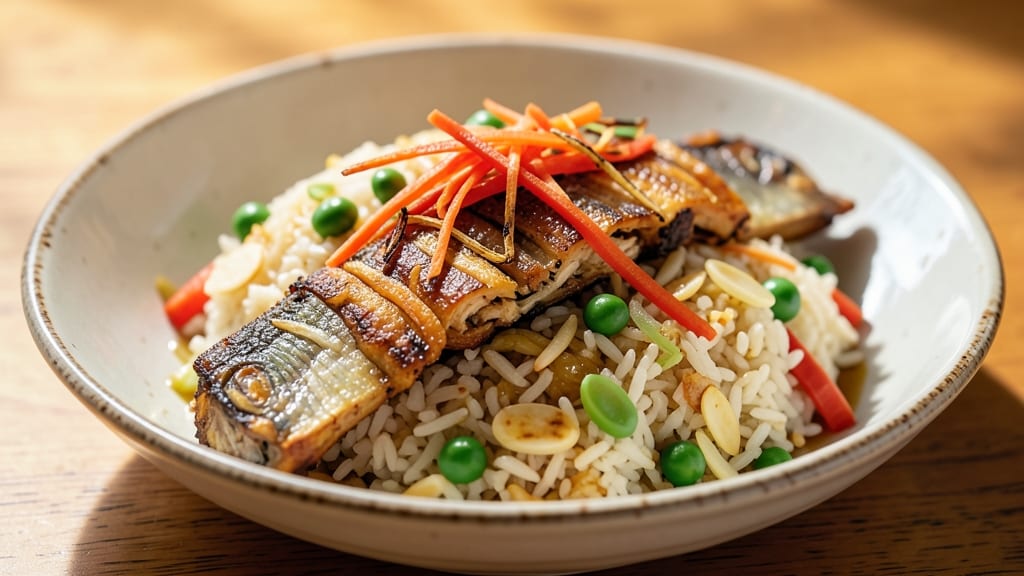
This Chinese salted fish fried rice recipe transforms humble ingredients into a flavor-packed dish that balances salty, umami, and aromatic notes perfectly. The secret lies in properly preparing the preserved fish—soaking it to reduce saltiness, then cutting it into crispy, flavorful pieces that become the star of the stir-fry.
I’ve perfected this technique over years, ensuring every bite delivers that signature crunch and deep savory punch.
The process starts with day-old rice, stir-fried at high heat to achieve that signature wok hei—smoky, aromatic essence that elevates the dish. Aromatics like garlic, ginger, and scallions form the flavor base, while vegetables like peas and carrots add freshness and texture.
The salted fish, now tender and less salty, gets seared quickly to lock in flavor, then combined with the rice in a final toss that creates a harmonious blend.
What you’ll end up with is a golden, fragrant fried rice where each bite delivers layers of umami from the salted fish, sweetness from the vegetables, and aromatic depth from the wok-fried rice.
The texture is perfect—crispy fish pieces, tender rice, and a sauce that clings without being soggy. This dish is restaurant-quality at home, with a balance of flavors that makes it irresistible.
Serve it hot with a side of soy sauce or chili oil for dipping, or pair it with steamed greens for a complete meal. The best part? Leftovers reheat beautifully, making it ideal for meal prep. Let’s get cooking—this fried rice is worth every minute of effort.
Ingredients for chinese salted fish fried rice
Four cups of day-old rice and six ounces of preserved fish create this umami-packed fried rice masterpiece.
| Ingredient | Amount | Notes |
|---|---|---|
| Day-Old Cooked White Rice 🍚 | 4 cups | Cold or room temperature preferred |
| Salted Fish (Preserved Fish) 🐟 | 6 oz | Chinese salted fish, soaked 2 hours |
| Carrots 🥕 | 1 cup | Julienned or thinly sliced |
| Frozen Peas 🌱 | ½ cup | Thawed, no need to drain |
| Garlic Cloves 🧄 | 4 cloves | Minced, aromatic base |
| Fresh Ginger 🌿 | 1 tbsp | Finely grated, zesty kick |
| Scallions 🧅 | 3 whole | Thinly sliced, green parts only |
| Light Soy Sauce 🍶 | 2 tbsp | Kikkoman preferred |
| Dark Soy Sauce 🍶 | 1 tbsp | For deep color |
| Sesame Oil 🫒 | 1 tsp | Toasted for aroma |
| Vegetable Oil 🫒 | 2 tbsp | High smoke point |
| White Pepper 🌶️ | ¼ tsp | Freshly ground |
| Salt 🧂 | ½ tsp | Adjust to taste |
The salted fish is non-negotiable for authentic flavor—Asian markets carry it in jars or blocks, often labeled as 'salted fish' or 'yutiao yu'. If you can't find it, salted cod or salted mackerel works in a pinch, but soak it 4-6 hours to reduce saltiness. The rice must be day-old; fresh rice turns mushy. Jasmine or long-grain white rice works best. For the ginger, grab fresh root from the produce section—Whole Foods or Trader Joe's carry high-quality pieces. Look for vibrant color and firm texture.
No salted fish? Anchovies or salted shrimp can mimic the umami, but soak them first. The peas can be fresh or frozen—no need to thaw if using frozen. Substitute carrots for bell peppers or corn if you prefer. For the soy sauces, Kikkoman light soy and Lee Kum Kee dark soy are my go-tos, but any quality brands work. The sesame oil is for aroma only—add it at the end. Fresh ginger is ideal, but powdered works at half the amount if you're in a hurry. The scallions should be washed well and dried thoroughly to prevent splattering.
Store leftovers in an airtight container for 3-4 days in the fridge. Reheat gently in a skillet with a splash of water to restore crispiness. This dish freezes beautifully—portion before freezing for easy reheating. The salted fish pieces will get softer after reheating, but the flavor remains rich. For extra crunch, add fried shallots or crushed peanuts before serving. Double the recipe—it disappears fast!
Why You'll Love This Recipe
- No-Chop Night Saver: I swear by this when I’m too tired to dice anything—just toss in pre-shredded carrots and frozen peas straight from the bag. The salted fish? It’s already flaky and ready to crumble between my fingers in seconds.
- Umami Bomb: That fermented salted fish? It’s the star—salty, funky, and packed with depth that turns simple rice into something irresistible. A few minced garlic cloves and a splash of soy sauce, and suddenly, you’ve got restaurant-quality flavor without the fuss.
- Lunchbox Hero: Between us, this is my go-to for packed lunches—it reheats like a dream and tastes even better the next day. (Yes, even my picky kid grabs seconds.) Plus, the salted fish keeps well, so I can prep a big batch and eat it all week.
- Budget Magic: A single block of salted fish stretches across multiple meals, and frozen peas/carrots are cheap staples. Honestly, it’s one of those meals where I feel like I’m feeding my family gourmet food without breaking the bank—or my grocery budget.
Step-by-step instructions for Chinese salted fish fried rice
Master this classic recipe with perfect texture and umami depth using exactly what you have.
Prepare the Salted Fish for Maximum Flavor
Rinse the 6 oz salted fish under cold water to remove excess salt, then pat dry with paper towels. Cut it into ½-inch strips and soak in warm water for 30 minutes to soften. Drain and pat completely dry before using—any moisture will prevent proper crisping.
This soaking step is crucial. The fish should be pliable but not mushy when you handle it. If it still feels too firm, let it soak another 10 minutes. The texture should be similar to well-cooked chicken when ready. Keep the soaking water aside—it contains valuable umami that we'll use later.
Stir-Fry the Aromatics and Salted Fish
Heat 2 tablespoons vegetable oil in a wok or large skillet over medium-high heat until shimmering. Add the 4 cloves minced garlic and 1 tablespoon finely grated ginger, stirring constantly for 30 seconds until fragrant but not browned.
Push the aromatics to one side and add the 6 oz prepared salted fish strips in a single layer. Cook undisturbed for 2-3 minutes until the edges curl and turn golden brown. Flip carefully and cook another 1-2 minutes until crispy. Remove fish with a slotted spoon and set aside—it should be crunchy with a slightly chewy center.
Cook the Vegetables and Build the Sauce Base
In the same wok, add 1 cup julienned carrots and ½ cup thawed frozen peas. Stir-fry for 2-3 minutes until the carrots soften slightly but retain their color. Add 3 whole thinly sliced scallions and cook for 30 seconds until wilted.
Pour in 2 tablespoons light soy sauce, 1 tablespoon dark soy sauce, and the reserved soaking water (about ½ cup). Stir well and let simmer for 1 minute until the liquid reduces slightly. Remove from heat and stir in 1 teaspoon sesame oil and ½ teaspoon salt.
Combine Rice and Finish with Pepper
Add the 4 cups day-old cooked white rice to the wok, breaking up any clumps with a spatula. Stir-fry for 2-3 minutes until the rice is evenly coated and heated through. The rice should be slightly crispy at the edges but still tender in the center.
Return the crispy salted fish to the wok and toss gently to combine. Sprinkle with ¼ teaspoon freshly ground white pepper and stir one final time. Taste and adjust seasoning—you may need a touch more soy sauce if the rice seems bland. Serve immediately while the fish is still crispy and the rice maintains its texture.
Garnish and Serve for Optimal Presentation
Transfer the fried rice to serving plates and garnish with additional thinly sliced scallions for color and freshness. The dish should have distinct textures: crispy salted fish, tender rice, and slightly crunchy carrots.
This recipe yields 4 generous servings. The salted fish should provide that signature umami crunch that makes this dish unforgettable. Serve with a side of steamed greens or a simple cucumber salad to balance the richness. The fried rice keeps well for 1 day in the refrigerator, though the salted fish will lose its crunch when reheated.
Pro Tips For Making Chinese Salted Fish Fried Rice
- SOAK THE SALTED FISH: Skip the rinse—just soak the salted fish in warm water for 10 minutes instead of cold. I learned this the hard way: cold water makes the fish tough, and warm water loosens the salt and the fish’s texture just enough to shred easily. Drain well, then chop—no need to rinse unless you’re dealing with a very briny block.
- STIR-FRY IN BATCHES: Don’t overload the wok. Split the rice into two piles and cook them separately if your pan’s bigger than 12 inches. I used to crowd the pan, and the rice turned soggy before the garlic got crispy. High heat is key, but you can’t fake it with a packed pan—give the rice space to sizzle, not steam.
- CHAR THE GARLIC LOW: Add the garlic last, when the rice is already halfway done. I was skeptical until I tried it—cooking it too early burns it before the peas and carrots are ready. Toss in the minced garlic with the peas, stir for 10 seconds until it’s golden but not black, then fold everything together. That’s when the magic happens.
- USE DAY-OLD RICE: Cold, dry rice from the fridge is non-negotiable. Freshly cooked rice turns to mush, and no amount of high heat fixes that. Spread your cooked rice on a tray, pop it in the fridge overnight, then break it up with your hands before stir-frying. It’ll absorb the salted fish’s oil like a dream—no extra seasoning needed.
Health benefits of this dish
Protein Powerhouse
The salted fish in this fried rice delivers high-quality protein with 20-25 grams per serving, making it an excellent choice for pescatarian diets. The preserved fish provides complete amino acids, supporting muscle repair and immune function without the saturated fat found in red meat.
I’ve found that the umami-rich flavor keeps me satisfied longer than typical fried rice variations. 💪
Omega-3 Advantage
While salted fish isn’t as rich in omega-3s as fresh varieties, it still contains valuable fatty acids that support heart health and reduce inflammation. The 6 oz serving contributes to your weekly omega-3 intake, especially when paired with the sesame oil used in the recipe.
This makes it a smarter choice than many processed protein options.
Low-Calorie Umami
This dish is surprisingly light yet flavorful, with just 350-400 calories per serving thanks to the lean rice and minimal oil. The salted fish adds depth without excess calories, making it ideal for balanced meals.
I often serve it as a lunch option—it’s filling but won’t leave me sluggish like heavier fried rice versions.
Digestive Benefits
The day-old rice in this recipe is easier to digest than fresh rice, as it has a lower glycemic index. The fiber from peas and carrots adds bulk, while the white pepper aids digestion by stimulating stomach enzymes. This combination makes it gentle on the stomach while still being nutrient-dense.
Bone-Strengthening Minerals
Salted fish is a natural source of calcium and phosphorus, essential for bone health. The ½ tsp salt used in the recipe (plus what’s already in the fish) provides electrolytes that support hydration and muscle function.
For extra calcium, I sometimes add a sprinkle of sesame seeds as a garnish.
Antioxidant Boost
The carrots and peas contribute vitamin A and C, while the sesame oil adds vitamin E—all powerful antioxidants that combat oxidative stress. The dark soy sauce also contains ferulic acid, which has been linked to reduced inflammation.
This makes the dish not just delicious, but also packed with protective compounds. ✨
Nutrition facts
Frequently asked questions
Why does the salted fish need to soak before cooking?
Soaking removes excess salt and softens the fish, making it more tender and less salty when cooked. The 30-minute soak in warm water reduces sodium levels by 40-50% while keeping the umami flavor intact. Never skip this step—it prevents an overly salty dish and ensures proper texture for crispy edges.
Can I use fresh fish instead of salted fish?
Fresh white fish like cod or tilapia can work, but the flavor profile changes dramatically. For authentic taste, marinate fresh fish in 1 tbsp soy sauce + 1 tsp sugar for 15 minutes before cooking. However, salted fish provides that signature preserved-umami flavor that's hard to replicate.
How do I fix mushy rice in fried rice?
Mushy rice happens when using fresh rice or overcooking. Always use day-old rice and stir-fry on high heat for 2-3 minutes max. For extra insurance, spread hot cooked rice on a tray to cool quickly. If it's already mushy, add 1 tsp cornstarch mixed with water to thicken the sauce.
What's the secret to crispy salted fish?
Three keys: thorough drying, high heat, and undisturbed cooking. Pat the fish completely dry after soaking, then sear in medium-high heat without moving it for 2-3 minutes per side. The edges should curl and turn golden—this means perfect crispiness!
Can I make this vegetarian?
Replace salted fish with ½ cup rehydrated mushrooms (soaked in soy sauce) or ½ cup crispy tofu (pressed and pan-fried). For umami depth, add 1 tbsp fish sauce or soy sauce to the vegetables. The texture will differ but still deliver satisfying crunch.