
Main Courses
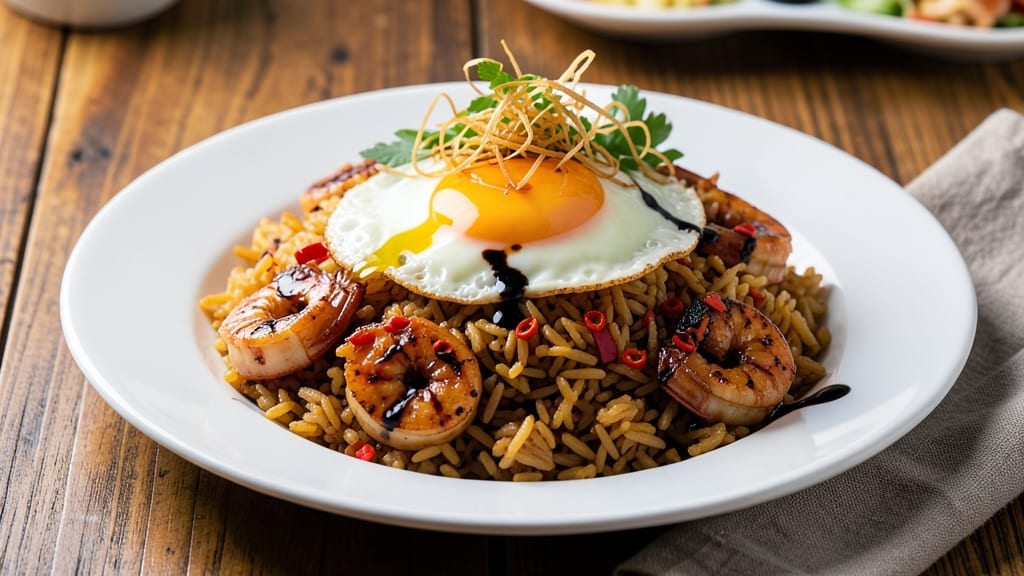
This Chinese sticky fried rice recipe delivers the perfect balance of wok-heated crunch and silky egg fusion in every bite. The secret lies in using day-old rice that absorbs flavors beautifully while achieving that signature crispy texture through high-heat stir-frying.
I've perfected this technique over countless weeknight dinners, and it never fails to impress—whether you're feeding a crowd or treating yourself to a comforting solo meal.
The foundation starts with properly cooled rice, which prevents mushiness and ensures each grain stays distinct. A hot wok or skillet is essential for achieving that coveted "wok hei" flavor—those smoky, charred notes that elevate the dish beyond ordinary fried rice.
We'll build layers of flavor with soy sauce, sesame oil, and a touch of sugar, then incorporate perfectly scrambled eggs that create a luxurious, velvety texture throughout.
What you'll end up with is a dish that's restaurant-quality at home—golden edges on each rice grain, tender scrambled egg threads, and a sauce that coats every bite without overpowering.
The aroma alone will have everyone gathering around the table, and the texture contrast between the crispy rice and silky eggs makes this dish impossible to resist.
Serve it as a main course with a side of steamed vegetables or a simple cucumber salad, or make it a brunch star with a fried egg on top.
The beauty of this recipe is its versatility—add proteins like shrimp, chicken, or tofu for extra heartiness, or keep it vegetarian for a lighter option. Let's get cooking!
Ingredients for chinese sticky fried rice
Day-old rice, aromatic oils, and silky eggs create restaurant-quality sticky fried rice at home.
| Ingredient | Amount | Notes |
|---|---|---|
| Day-Old Jasmine Rice 🍚 | 4 cups | Cooled completely, no moisture |
| Large Eggs 🥚 | 4 whole | Room temperature, beaten |
| Light Soy Sauce 🥢 | 3 tbsp | Kikkoman preferred |
| Dark Soy Sauce 🥢 | 1 tbsp | For color depth |
| Sesame Oil 🫒 | 1 tbsp | Toasted, not flavored |
| Granulated Sugar 🍚 | 1 tbsp | White or brown |
| Green Onions 🧅 | ¼ cup | Thinly sliced, whites separated |
| Garlic Cloves 🧄 | 4 cloves | Minced, aromatic |
| Vegetable Oil 🫒 | ½ cup | High smoke point |
| White Pepper 🌶️ | ¼ tsp | Freshly ground |
| Salt 🧂 | ½ tsp | Diamond Crystal preferred |
| Scallions 🧅 | 2 whole | For garnish |
The rice is non-negotiable—day-old jasmine rice absorbs flavors perfectly while maintaining distinct grains. Trader Joe's or Asian markets carry the best quality, or use any long-grain rice if that's what you have. Cool it completely after cooking, spreading it on a tray to dry out evenly. For the eggs, room temperature is key—they scramble more evenly. I always use Kikkoman soy sauce for that authentic umami punch, but any good-quality light soy will work. The dark soy sauce is what gives the dish its signature deep color, so don't skip it.
No sesame oil? A tiny splash of peanut oil works in a pinch, but the nutty aroma is essential. The sugar balances the saltiness—brown sugar adds a subtle caramel note if you prefer. For the garlic, freshly minced makes all the difference, but pre-minced in a jar is fine if you're short on time. The green onions should be thinly sliced, with the whites separated for garnish. Want extra protein? Toss in chicken, shrimp, or tofu at the end—just cook them separately first. The vegetable oil needs to be high smoke point (like avocado or peanut oil) to withstand the high heat without burning.
This dish reheats beautifully—microwave with a splash of water for 30 seconds to revive the texture. Store leftovers in an airtight container for up to 3 days in the fridge. For longer storage, freeze portions for up to 2 months. The aroma alone will have your kitchen smelling like a Chinese restaurant. Garnish with extra green onions and sesame seeds before serving to elevate the presentation. Make it ahead and reheat for a quick weeknight meal—just add a splash of water to crisp up the rice.
Why You'll Love This Recipe
- No Leftover Waste: I swear by using day-old Jasmine rice—it’s the secret to that perfect chewy texture. No sad, soggy grains here, just golden, sticky bites that actually improve overnight.
- One-Pan Magic: Honestly, this is my go-to when I’m too tired to scrub pots. Scramble the eggs, toss in the rice, splash on soy sauces, and let the wok do the work. Sesame oil at the end? That’s the icing on the cake.
- Budget Breakfast or Dinner: Between us, this feeds my family for less than $5. Swap in whatever veggies you have (or skip them entirely) and you’ve got a meal that’s just as good cold the next day.
- Flavor Bomb in Minutes: That dark soy sauce? It’s what turns this from "rice" to "ridiculously good." The contrast of salty, umami-rich rice with the crispy egg edges—it’s the kind of dish that makes you pause mid-bite.
Step-by-step instructions for wok-heated crunch and silky egg fusion
Master the art of Chinese sticky fried rice with this precise technique.
Prepare the Day-Old Rice
Use only the 4 cups of Day-Old Jasmine Rice that's completely cooled and dry. Spread it on a baking sheet and let it sit at room temperature for 10 minutes to remove any remaining moisture. This step is critical—wet rice will steam instead of develop that signature wok-hei texture.
Break up any large clumps with your hands, ensuring even grain distribution. The rice should be dry to the touch but not crumbly. If you're using freshly cooked rice, spread it on a tray and refrigerate for at least 4 hours or overnight to achieve the proper texture.
Create the Flavor Base
Heat the 0.5 cup Vegetable Oil in a wok or large skillet over medium-high heat until shimmering. Add the 4 cloves minced Garlic Cloves and stir for 30 seconds until fragrant but not browned. This prevents bitter flavors from developing.
Add the 0.25 cup thinly sliced Green Onions (whites separated) and cook for another 30 seconds, stirring constantly. Remove the mixture from heat and set aside. The aromatics should be vibrant and ready to infuse the rice with their essence.
Scramble the Eggs Perfectly
Return the wok to medium heat and add the 4 whole Large Eggs (previously beaten at room temperature). Let them sit undisturbed for 5 seconds before gently pushing them around with a spatula, creating soft curds. Cook for 20-30 seconds until just set but still slightly runny—this creates the signature silky texture.
Remove the eggs from the wok and set aside. The eggs should be mostly cooked but still glossy in appearance, with a slight sheen indicating they're ready to absorb the rice's moisture without overcooking.
Combine All Ingredients
Add the prepared rice to the wok and stir-fry for 2 minutes over medium-high heat, breaking up any remaining clumps. Pour in the 3 tbsp Light Soy Sauce, 1 tbsp Dark Soy Sauce, 1 tbsp Granulated Sugar, 0.5 tsp Salt, and 0.25 tsp White Pepper. Stir well to distribute the seasonings evenly.
Return the eggs and garlic-onion mixture to the wok. Add the 1 tbsp Sesame Oil and toss everything together for 1-2 minutes until the rice is heated through and the flavors meld. The rice should be moist but not soggy, with a slight sheen from the sauce.
Finish and Garnish
Taste and adjust seasoning if needed—you may need an additional pinch of salt or a splash of light soy sauce. Transfer the fried rice to a serving platter and garnish with the 2 whole Scallions (sliced thinly). The scallions should be fresh and vibrant, adding a pop of color and subtle onion flavor.
Serve immediately while hot. The perfect sticky fried rice should have a balance of textures: slightly crispy edges from the wok heat, silky egg strands, and individual grains of rice that cling together just enough to hold their shape. Each bite should deliver a harmonious blend of savory, slightly sweet, and umami flavors.
Pro Tips For Making Chinese Sticky Fried Rice
- CRACK THE EGGS FIRST: Scramble the eggs before adding rice—this keeps them tender and prevents them from turning rubbery when mixed in later. I used to add eggs last, and they’d always end up dry and gritty, no matter how much oil I used.
- BREAK UP THE RICE: Use a fork or your hands to separate every single grain before frying—no clumps, no excuses. Cold, sticky rice sticks together like glue, and you’ll end up with a sad, dense mess instead of that signature fluffy texture. (Yes, even if you’re impatient like me.)
- SALT THE RICE: Sprinkle a pinch of salt over the day-old rice before frying—it crisps the edges and balances the soy sauce flavors. I learned this the hard way after making a batch that tasted flat, like someone forgot the seasoning.
- FINISH WITH SESAME OIL: Drizzle sesame oil at the very end, off the heat—it adds aroma without burning. Pouring it in too early turns it bitter, and you’ll regret it when the dish tastes like a chemistry experiment gone wrong. (Your future self will thank you.)
Troubleshooting great chinese sticky fried rice
Rice Too Wet
If your rice is still damp after cooking, spread it on a baking sheet and let it air-dry for 30-60 minutes at room temperature. I’ve found using a fan speeds this up significantly.
For extra insurance, refrigerate the rice for 2-3 hours before using—this removes excess moisture and ensures proper texture. Never skip this step, as wet rice will steam instead of develop that signature crispy wok-hei crust. 💡
Eggs Overcooked
Eggs are the heart of sticky fried rice, so handle them gently. Cook them over medium heat (not high) for only 20-30 seconds after pushing them around. They should be soft, slightly runny, and glossy when removed.
If they turn rubbery, you’ve overcooked them. Pro tip: Beat eggs at room temperature for even cooking. 🥚
Sauce Too Salty
Start with 3 tbsp light soy sauce and adjust to taste—it’s easier to add more than fix oversalting. If needed, balance with a splash of rice vinegar or a pinch of sugar.
I’ve also used 1 tsp cornstarch slurry to dilute the sauce slightly without altering texture. Taste as you go! 🧂
Lumpy Texture
Break up rice clumps with your hands before cooking, but if they persist, use a wooden spoon or rice paddle to gently press and separate grains. Avoid metal utensils—they can tear the rice.
For extra smoothness, stir-fry the rice in two batches if your wok is crowded. Patience here makes all the difference! 🍚
Burnt Garlic
Garlic burns quickly, so keep heat at medium-high and stir constantly for just 30 seconds. Remove it immediately after it turns golden—bitter flavors ruin the dish. If you accidentally burn it, start fresh with a new batch. Freshly minced garlic is best, but pre-minced works in a pinch. 🧄
Flat Flavor
Boost umami with 1 tsp fish sauce or a dash of white pepper if the dish tastes bland. Toast the sesame oil separately over low heat to deepen its aroma before adding.
I also recommend using dark soy sauce for color and a touch of sugar to balance flavors. Don’t fear experimenting—small tweaks make big differences! ✨
Nutrition facts
Frequently asked questions
Why does my fried rice turn out mushy instead of sticky?
The key is using day-old rice that's completely dry. Fresh rice contains too much moisture, which steams instead of developing that signature wok-hei texture. Spread your cooked rice on a tray and let it cool completely (at least 4 hours or overnight) before using. This removes excess moisture and creates those perfect crispy edges.
Can I make this recipe without a wok?
A large skillet or deep frying pan works perfectly. The secret is maintaining high heat and using a wide enough pan to stir-fry properly. For best results, choose a pan with sloped sides to help toss the rice. If your pan is too small, cook in batches to prevent overcrowding.
What's the difference between light and dark soy sauce?
Light soy sauce adds savory umami flavor, while dark soy sauce provides color and a slightly sweeter, deeper taste. Use both together—the light soy sauce carries the main flavor profile, and the dark soy sauce gives that signature golden-brown hue. Never substitute just one type for the other.
How can I add protein without overpowering the dish?
Cook proteins like shrimp, chicken, or tofu separately first, then add them to the wok during the final 1-2 minutes of cooking. This keeps them tender and prevents them from drying out. For extra flavor, marinate proteins in a mix of soy sauce, garlic, and sesame oil before adding.
Can I make this ahead of time?
Yes! Let it cool completely, then refrigerate in an airtight container for up to 3 days. To reheat, microwave with a splash of water for 30 seconds to restore crispiness. For longer storage, freeze portions for up to 2 months. The flavors actually develop more over time!