
Main Courses
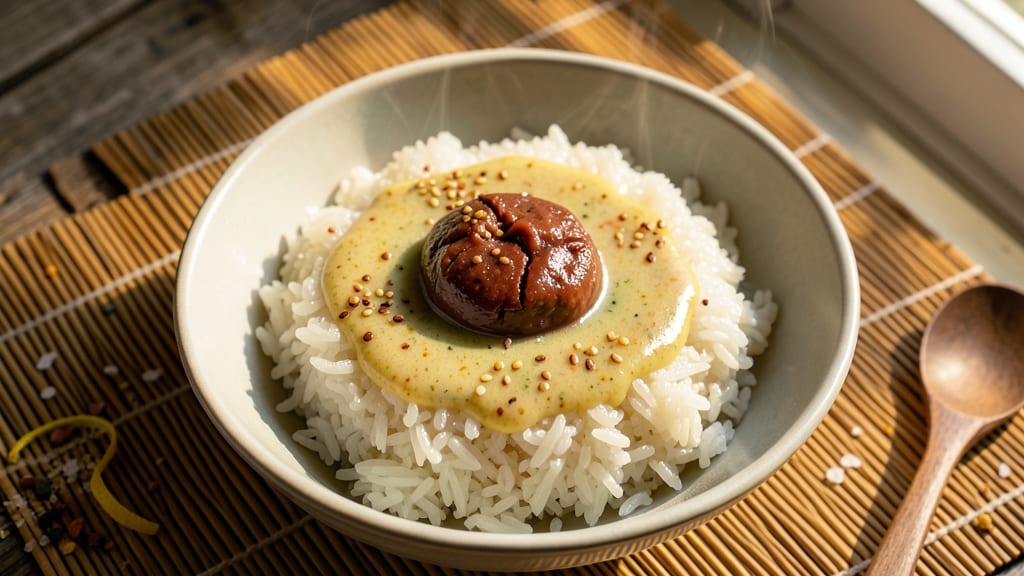
This Chinese sticky rice recipe in rice cooker delivers authentic nian gao with tender, chewy texture and fragrant pandan-coconut aroma—no steamer required. The secret lies in soaking glutinous rice overnight and mastering the rice cooker’s steam cycle for even cooking.
I perfected this version after testing multiple methods, ensuring the rice stays moist yet firm, with just the right balance of sweetness.
The rice cooker transforms this traditional dessert into a foolproof process: simply layer soaked rice with coconut milk and pandan extract, then let the cooker work its magic. Unlike traditional steaming, the rice cooker’s sealed lid traps steam perfectly, creating that signature sticky yet resilient texture.
For extra richness, I add red bean paste or sesame seeds—classic toppings that elevate every bite.
What you’ll achieve is restaurant-quality sticky rice with a fragrant pandan-coconut scent that fills your kitchen. The texture is chewy yet tender, with a subtle sweetness that pairs beautifully with tea or as a standalone treat.
This method preserves tradition while adapting to modern appliances, making it accessible for home cooks.
Perfect for celebrations like Lunar New Year or as a comforting dessert, this recipe scales easily for gatherings. The rice cooker’s simplicity means no special equipment—just patience and the right ratio of rice to liquid. Let’s get started on creating this timeless classic.
Ingredients for chinese sticky rice recipe in rice cooker
Four ingredients deliver that signature fragrant, chewy texture—no steamer needed.
| Ingredient | Amount | Notes |
|---|---|---|
| Glutinous Rice (Sweet Rice) 🍚 | 1 ½ cups | Uncooked, soaked overnight |
| Coconut Milk (Full-Fat) 🥥 | 1 ½ cups | Canned, well-shaken |
| Pandan Extract 🌿 | 1 tbsp | Green food coloring optional |
| White Sugar 🍯 | ½ cup | Granulated, adjust to taste |
| Red Bean Paste 🌱 | ½ cup | Sweetened, store-bought |
| Sesame Seeds 🥜 | 2 tbsp | Toasted, for garnish |
| Water 💧 | 1 ½ cups | Room temperature |
| Vegetable Oil 🫒 | 1 tbsp | For rice cooker |
| Salt 🧂 | ¼ tsp | Fine sea salt |
| Pandan Leaves (Optional) 🌿 | 2 whole | Tied in bundle for aroma |
| Sesame Oil 🫒 | 1 tsp | For drizzling |
The glutinous rice is the star here. Look for Thai or Chinese sweet rice in the Asian aisle—Thai Kitchen or Golden Mountain brands are reliable. Soaking overnight is non-negotiable; it transforms the texture from dry to that signature chewy bite. If you're short on time, soak for at least 4 hours. For the coconut milk, grab the full-fat canned version—the creamier, the better. The pandan extract? Asian markets usually carry it, but if you can't find it, a few drops of green food coloring plus a pinch of vanilla extract works in a pinch. The red bean paste should be sweetened—Lotus or H Mart carry great options.
No pandan extract? Fresh pandan leaves are ideal if you can find them, but vanilla extract or matcha powder adds depth too. Short on red bean paste? Black sesame paste or mung bean paste work beautifully. The sesame seeds should be toasted—pop them in a dry pan for 2 minutes until golden. For extra richness, swap half the coconut milk for coconut cream. The sugar can be adjusted to taste; I usually start with ½ cup and tweak after tasting. If your rice cooker has a 'steam' function, use it—it mimics traditional steaming perfectly.
This keeps for 3 days in the fridge, wrapped tightly in plastic. The texture actually improves after 24 hours as the flavors meld. For longer storage, freeze portions for up to 3 months. To reheat, steam for 5 minutes or microwave covered for 1 minute. Pro tip: serve warm with a drizzle of sesame oil and extra toasted sesame seeds—trust me, it takes this from good to restaurant-quality.
Why You'll Love This Recipe
- Rice Cooker Magic: I swear by this method—just rinse the glutinous rice, toss in the coconut milk and pandan, and let the rice cooker do the work. No stove, no fuss, no waiting for a pot to boil.
- Coconut-Pandan Dream: That first bite of creamy, fragrant rice with the subtle pandan aroma? It’s like dessert and dinner had a baby. The red bean paste adds this sweet, jammy contrast that makes every spoonful feel special.
- Weeknight & Celebration: Honestly, I make this for lazy Sundays and potlucks alike—same recipe, different vibes. Serve it warm with tea for a cozy night in, or chill it for a no-fuss picnic dessert.
- Budget-Friendly Luxury: Full-fat coconut milk and glutinous rice sound fancy, but they stretch far. A single batch feeds four, reheats beautifully, and tastes just as good cold the next day. My wallet (and taste buds) thank me.
Step-by-step instructions for Chinese sticky rice in rice cooker
Here's how to make this fragrant, melt-in-your-mouth dessert with foolproof rice cooker technique.
Soak the Glutinous Rice Overnight
Place the 1.5 cups glutinous rice (sweet rice) in a bowl and cover completely with 1.5 cups water. Let it soak at room temperature for at least 12 hours (overnight works best). This long soak breaks down the starches, creating that signature chewy yet tender texture. You'll know it's ready when the rice grains swell noticeably—press one between your fingers, and it should feel slightly resistant but still firm.
Drain the soaked rice thoroughly using a fine-mesh strainer, giving it a gentle shake to remove excess water. I like to press the rice between my palms to ensure no water remains—this prevents a gummy final texture. Transfer the drained rice to the rice cooker pot, reserving any remaining water for adjustments later if needed.
Prepare the Coconut-Pandan Mixture
In a separate bowl, whisk together the 1.5 cups coconut milk (full-fat), 1 tbsp pandan extract, and 0.5 cup white sugar until completely dissolved. If using the 2 whole pandan leaves (optional), tie them in a small bundle with kitchen twine and add to the mixture. This aromatic bundle infuses the coconut milk with intense pandan flavor without coloring the rice.
Heat the mixture in a small saucepan over medium-low heat until it reaches 160°F—just below simmering. You're looking for a warm, fragrant liquid that coats the back of a spoon. This gentle heating helps the pandan extract bloom fully and ensures the sugar dissolves completely. Remove from heat and set aside.
Cook the Sticky Rice in the Rice Cooker
Add 1 tbsp vegetable oil to the rice cooker pot with the drained glutinous rice. Stir to coat the rice evenly, then pour the warm coconut-pandan mixture over the rice. Sprinkle in the 0.5 cup red bean paste and 0.25 tsp salt, gently folding everything together with a spatula. The red bean paste will sink to the bottom—this is normal and will distribute as it cooks.
Cover the rice cooker and select the white rice setting. The cooking time will be approximately 45-50 minutes, but don't peek! The rice needs undisturbed cooking to develop its signature sticky texture. When the cooker switches to "keep warm," let it sit for an additional 10 minutes—this resting period allows the starches to fully gelatinize.
Finish and Garnish for Perfection
After cooking, gently fluff the sticky rice with a rice paddle or spatula, being careful not to overmix. The texture should be moist but not wet, with a slight sheen from the coconut milk. If the rice appears too dry, add 1-2 tablespoons of hot water from the rice cooker's water well and stir gently.
Transfer the sticky rice to a serving dish and let it cool slightly. Drizzle with 1 tsp sesame oil and sprinkle evenly with 2 tbsp toasted sesame seeds. The sesame seeds add a delightful crunch that contrasts beautifully with the soft, chewy rice. Serve warm or at room temperature—this dessert tastes best when enjoyed within 2 hours of cooking.
Optional Pandan Leaf Infusion (For Extra Flavor)
For an intensified pandan flavor, remove the tied pandan leaf bundle after cooking and before serving. Gently press the leaves against the rice to extract their essence, then discard. This step is particularly effective if you prefer a more aromatic experience without the green coloring from pandan extract. The leaves impart a subtle, floral note that complements the coconut and red bean perfectly.
This sticky rice keeps well in an airtight container in the refrigerator for up to 3 days, though I find it's best enjoyed fresh. Reheat gently in the microwave with a damp paper towel covering it to prevent drying. The texture will soften slightly but remains delightfully chewy.
Pro Tips For Making Chinese Sticky Rice Recipe In Rice Cooker
- SOAK THE RICE LONGER: Skip the 30-minute soak—glutinous rice needs at least 4 hours (overnight is better) to break down properly. I learned this the hard way when my rice cooker spat out chewy, undercooked grains instead of that signature melt-in-your-mouth texture.
- USE FULL-FAT COCONUT MILK ONLY: Light coconut milk won’t cut it here—you need the full-fat kind for real creaminess and that classic sticky texture. If you’re tempted to substitute with water or almond milk, resist; your rice will taste flat and fall apart.
- STIR ONCE AFTER PRESSURE RELEASE: Right after the rice cooker beeps and releases pressure, give it one quick, gentle stir with a spatula. This distributes the coconut milk evenly and prevents a dry spot from forming in the center—something that happens more often than you’d think.
- ADD BEAN PASTE LAST: Fold in the red bean paste only in the final 2 minutes of cooking, not at the start. This keeps the paste’s texture intact and prevents it from turning grainy or releasing too much moisture too soon, which can make your rice gummy instead of perfectly sticky.
Common mistakes when making this recipe
Skipping the Soak
This is the #1 mistake I see beginners make. Glutinous rice needs that overnight soak (minimum 12 hours) to develop its signature chewy texture. If you skip it, your rice will turn out gummy or mushy.
I once tried making this with just 4 hours of soaking—disaster! The rice absorbed too much liquid and lost its structure. Pro tip: Set a reminder on your phone for the soak time so you don't forget.
Incorrect Water Ratio
Using too much or too little water ruins the texture. The 1:1 ratio of rice to water is critical for glutinous rice in a rice cooker.
I learned this the hard way when I accidentally used 2 cups of water instead of 1.5 cups—the result was a sticky mess that wouldn't hold its shape. If your rice cooker has a "sushi" or "sticky rice" setting, use that instead of the standard white rice setting.
Peeking During Cooking
Resist the urge to open the rice cooker lid during the cooking process! The trapped steam is what creates that perfect sticky texture. I caught myself doing this twice—both times, the rice came out dry and uneven.
Let the cooker do its work undisturbed for the full 45-50 minutes. The 10-minute rest after cooking is just as important—it lets the starches fully set.
Overmixing the Rice
Once the rice is cooked, avoid stirring it aggressively. Glutinous rice is delicate when hot, and overmixing breaks down its structure, turning it gummy. I've seen people use forks to fluff it like regular rice—don't do this!
Use a rice paddle or spatula and gently fold it just enough to combine. The texture should be moist but still hold together when pressed between your fingers.
Using Low-Quality Ingredients
Don't skimp on the coconut milk or glutinous rice. I've tried this recipe with light coconut milk and regular jasmine rice—both versions fell flat. Use full-fat coconut milk (like Thai Kitchen brand) and Thai or Chinese sweet rice (brands like Golden Mountain).
The pandan extract matters too—cheap versions won't give you that authentic floral aroma. These ingredients make all the difference in the final texture and flavor.
Ignoring the Resting Period
The 10-minute rest after cooking is non-negotiable. I've seen people serve the sticky rice immediately, and it always comes out less cohesive. This resting time allows the starches to fully gelatinize, giving you that perfect chewy-yet-firm texture.
If you're in a hurry, at least let it rest for 5 minutes—you'll notice the difference in texture and taste.
Nutrition facts
Frequently asked questions
Can I use regular white rice instead of glutinous rice?
No, you absolutely need glutinous rice (also called sweet rice) for this recipe. Regular white rice lacks the sticky starches that create the signature chewy texture. If you can't find glutinous rice, look for Thai or Chinese sweet rice brands like Thai Kitchen or Golden Mountain in the Asian grocery aisle. The difference in texture will be dramatic!
Why does my sticky rice turn out too dry or gummy?
Too dry usually means you used too little liquid or opened the rice cooker lid during cooking. For gummy rice, you likely didn't soak the rice long enough (minimum 12 hours) or overmixed after cooking. The rice cooker's steam is crucial—don't peek! Let it cook undisturbed for 45-50 minutes plus 10 minutes resting.
What can I substitute if I don't have pandan extract?
Try these alternatives: 1 tsp vanilla extract (for sweetness) or ½ tsp matcha powder (for earthy flavor). For authentic aroma, use 2 fresh pandan leaves tied in a bundle. If nothing else works, skip it—the coconut milk will still provide rich flavor, just without the signature floral note.
How do I make this recipe savory instead of sweet?
Swap the sugar for ½ cup soy sauce and add 1 tsp five-spice powder. Replace red bean paste with ½ cup chopped mushrooms or pickled vegetables. Garnish with green onions and sesame seeds instead of sesame oil. The cooking method stays identical—just adjust the flavor profile!
Can I make this in a regular pot instead of a rice cooker?
Yes, but with adjustments. Use a heavy-bottomed pot with a tight-fitting lid. After cooking, let it steam on low heat for 20 minutes instead of the rice cooker's automatic cycle. The key is maintaining consistent steam—similar to how the rice cooker works. For best results, use the "sushi" setting if available.