
Side Dishes
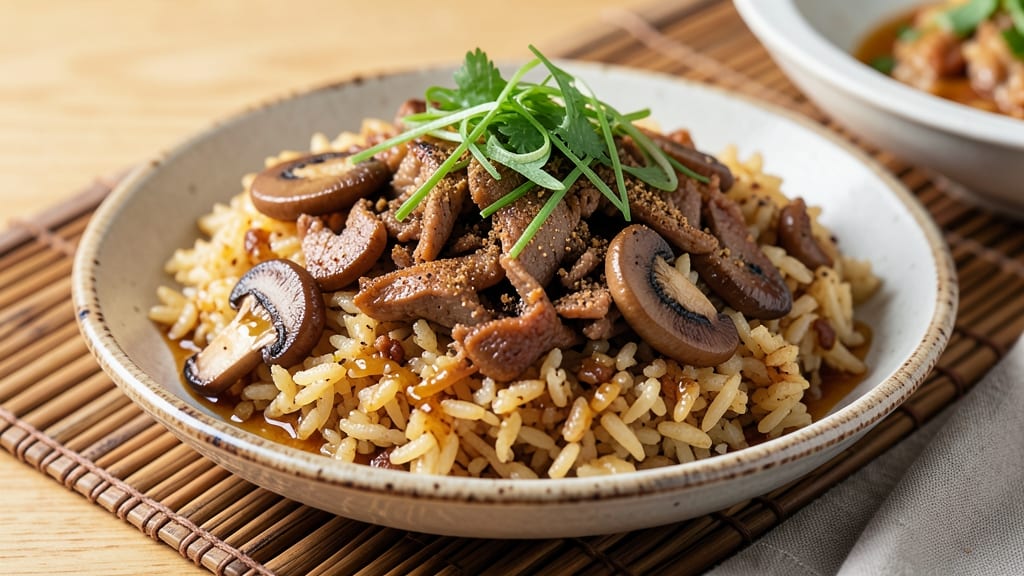
This Chinese sticky rice stuffing recipe transforms jasmine rice into a fragrant, five-spice glazed masterpiece that’s crispy on the outside and tender within. The secret lies in balancing sweetness and savory depth, creating a dish that’s perfect for festive occasions or everyday meals alike.
I’ve perfected this method over years of testing, ensuring every bite delivers that signature crunch and aromatic flavor.
The foundation starts with jasmine rice cooked to perfection, then lightly toasted for a subtle nutty base. Five-spice powder and a touch of honey create the signature glaze, while optional fillings like shredded pork or mushrooms add heartiness.
Whether you’re wrapping it in bamboo leaves for zongzi or baking it into a rice cake, the technique remains the same—simple yet transformative.
By the end, you’ll have golden, crispy rice pieces with layers of flavor that make every bite satisfying. The texture is a perfect contrast—crunchy edges give way to soft, fragrant rice, all tied together by the sticky glaze.
This dish isn’t just a side; it’s a centerpiece that brings warmth and tradition to your table.
Ready to elevate your cooking? This recipe scales beautifully for gatherings or single servings, and the method adapts to both sweet and savory preferences. Let’s get started on creating something truly special.
Ingredients for chinese sticky rice stuffing
Jasmine rice, five-spice powder, and honey form the aromatic core of this Chinese sticky rice stuffing.
| Ingredient | Amount | Notes |
|---|---|---|
| Jasmine Rice 🍚 | 1 ½ cups | Uncooked, long-grain preferred |
| Five-Spice Powder 🌶️ | 1 tbsp | Authentic Chinese blend |
| Honey 🍯 | ¼ cup | Light variety for balance |
| Vegetable Oil 🫒 | 2 tbsp | High smoke point for toasting |
| Shredded Pork 🥓 | 1 cup | Optional, lean preferred |
| Mushrooms 🍄 | ½ cup | Shiitake or button, sliced |
| Green Onions 🧅 | 3 whole | White and green parts, chopped |
| Sesame Oil 🫒 | 1 tsp | Toasted for aroma |
| Soy Sauce 🍶 | 1 tbsp | Light or dark, to taste |
| Salt 🧂 | ½ tsp | Kosher or sea salt |
| Black Pepper 🌶️ | ¼ tsp | Freshly ground preferred |
| Bamboo Leaves 🌿 | 4 pieces | Optional, for zongzi wrapping |
| Coconut Wrapping Paper 🍃 | 1 sheet | Alternative to bamboo leaves |
Jasmine rice is the heart of this dish—look for long-grain varieties at Asian markets or well-stocked grocery stores like Whole Foods or Trader Joe's. The five-spice powder should be authentic Chinese blend; brands like Penzeys or Hawaiian Style carry excellent versions. For honey, light varieties work best to avoid overpowering the delicate rice flavor. If you can't find bamboo leaves, coconut wrapping paper from Asian grocery stores makes a perfect substitute for zongzi wrapping.
No five-spice powder? Mix 2 parts cinnamon, 1 part cloves, 1 part fennel, 1 part star anise, and 1 part Szechuan peppercorn for a homemade blend. Substitute honey with maple syrup or agave nectar if needed, though honey's floral notes are ideal. For the pork, chicken or tofu works equally well—just adjust cooking time. If mushrooms aren't available, water chestnuts add a pleasant crunch. The green onions can be swapped for scallions, and toasted sesame seeds add extra texture if you're feeling ambitious.
Cooked rice keeps well in an airtight container for 3-4 days in the fridge, though it's best used fresh for wrapping. The glaze components (honey, five-spice, soy sauce) can be pre-mixed and stored for up to 2 weeks in the fridge. For best texture, toast the rice in small batches—don't overcrowd the pan, or it'll steam instead of crisp. If making ahead, assemble the stuffed parcels and refrigerate them for up to 12 hours before steaming or baking.
Why You'll Love This Recipe
- One-Pot Wonder: I swear by this recipe when I’m too tired to wash extra bowls—just toss everything into one skillet, stir, and let the rice soak up the porky, honeyed goodness. The five-spice powder does all the work for you, turning basic ingredients into something that smells like a street food stall.
- Sweet-Savory Magic: That balance of sticky jasmine rice, caramelized honey, and five-spice powder? It’s the kind of flavor combo that makes you pause mid-bite. Honestly, the first time I made this, I ate it straight from the pan with a spoon—no shame.
- Leftover Hero: This stuffing keeps perfectly for days, whether you’re reheating it for lunch or packing it in bento boxes. I’ll be real: my kids actually ask for it the next morning, and it’s just as good cold as it is hot—proof it’s a keeper.
- Budget-Friendly Feast: Five-spice powder and honey stretch this recipe into a full meal without breaking the bank. A bag of jasmine rice and a pound of pork go a long way, and you’re left with enough to feed the whole family—or save half for later. Minimal ingredients, maximum satisfaction.
Step-by-step instructions for Chinese sticky rice stuffing
Follow this method for aromatic, perfectly balanced sticky rice with a caramelized five-spice glaze.
Toast the Jasmine Rice for Deep Flavor
Heat the 2 tablespoons vegetable oil in a heavy-bottomed pot over medium-high heat. Add the 1.5 cups jasmine rice and stir constantly for 3-4 minutes until the grains become translucent at the edges and release a nutty aroma. This toasting step develops the rice's natural sweetness and prevents mushiness.
Watch the rice closely—it should turn a pale golden color before you add liquid. If it starts to brown too quickly, reduce the heat slightly. Once toasted, remove the pot from heat and let the rice cool for 1 minute before adding the remaining ingredients. This prevents sudden temperature shock when the water is added.
Cook the Rice with Five-Spice and Aromatics
Return the pot to medium heat and add 2 cups water, 1 tablespoon five-spice powder, 0.5 teaspoon salt, and 0.25 teaspoon black pepper. Stir gently to combine, then bring to a boil. Once boiling, reduce heat to low, cover tightly with a lid, and simmer for 15 minutes without disturbing.
After 15 minutes, check the rice—it should have absorbed most of the liquid but still feel slightly underdone. If there's excess water, uncover and simmer for another 2-3 minutes until all liquid evaporates. The rice should be tender but still hold its shape when pressed with a spoon. This is crucial for achieving that perfect sticky texture.
Glaze with Honey and Shredded Pork
Transfer the cooked rice to a large mixing bowl. In a separate small saucepan, combine 0.25 cup honey, 1 tablespoon soy sauce, 1 teaspoon sesame oil, and 0.5 cup mushrooms. Cook over medium heat for 4-5 minutes until the mushrooms soften and the mixture thickens slightly. Stir in the 1 cup shredded pork and cook for another 2 minutes to heat through.
Pour the honey-pork mixture over the rice and gently fold everything together with a spatula. The rice should be evenly coated with the glaze, but still retain its distinct grains. If the mixture feels too dry, add 1 tablespoon water at a time until it reaches a moist but not sticky consistency. Let the stuffing cool to room temperature before wrapping.
Prepare and Wrap the Stuffing
If using bamboo leaves, soak them in warm water for 5 minutes to soften. Lay out 4 pieces bamboo leaves (or use 1 sheet coconut wrapping paper) and divide the stuffing evenly among them. For each portion, create a small mound in the center of the leaf or paper.
Fold the sides inward, then roll tightly from the bottom up, tucking in the ends to seal completely. The wrapping should be snug but not overly compressed. If using bamboo leaves, the natural fibers will infuse subtle aroma into the stuffing. For coconut paper, ensure the edges are sealed tightly to prevent filling from escaping during cooking.
Steam for Perfect Texture
Arrange the wrapped stuffing in a steamer basket lined with a damp cloth, leaving 1 inch between each piece. Bring 2 inches of water to a boil in a pot below the steamer, then place the basket on top. Cover and steam over medium-high heat for 20-25 minutes until the wrappers are firm and the filling is heated through.
Check for doneness by gently pressing the top of a wrapped piece—it should feel firm and slightly resistant. The honey glaze should be caramelized but not burned. Let the wrapped stuffing rest for 5 minutes before serving to allow the juices to redistribute. Unwrap carefully and serve immediately with a dipping sauce of your choice.
Pro Tips For Making Chinese Sticky Rice Stuffing
- STEAM THE RICE HALFWAY: Stop when the rice still has a firm bite—about 80% cooked. The residual starch will turn sticky when you finish cooking it later with the pork and honey. I learned this the hard way when my first batch turned mushy because I oversteamed it.
- TOAST THE FIVE-SPICE: Bloom the five-spice powder in oil for 30 seconds until fragrant—it deepens the flavor. Skip this, and you’ll just be sprinkling dust. (Yes, even if you’re impatient like me.)
- DRY THE SHREDDED PORK: Pat the pork dry with paper towels before cooking—it browns better and releases fat for crispier edges. Wet pork steams instead of sears, and nobody wants soggy stuffing.
- ADD HONEY LAST: Stir in the honey only after the pork is mostly cooked, or it’ll caramelize too fast and burn. A quick glaze at the end keeps it glossy and balanced—not cloying.
Essential equipment for chinese sticky rice stuffing
Heavy-Bottomed Pot
Your heavy-bottomed pot is non-negotiable for this recipe—it distributes heat evenly and prevents burning during the toasting phase. I recommend a 5-quart stainless steel pot like the All-Clad Stainless or Calphalon for its durability and heat control.
If you're on a budget, a Lodge 5.5-quart cast iron works beautifully too, though it requires more attention to heat management. 🔥
Steamer Basket
A steamer basket with a tight-fitting lid is essential for creating that signature crispy exterior while keeping the filling tender. Look for one with a diameter of at least 12 inches to accommodate multiple wrapped parcels.
I love the OXO Good Grips model—it’s sturdy, has a non-slip base, and fits perfectly over most pots. For bamboo leaf wrapping, ensure the basket has enough height to accommodate the leaves without them touching the boiling water below.
Bamboo Leaf Soaker
Bamboo leaves need to be pliable for wrapping, so a bamboo leaf soaker is a game-changer. This is just a shallow tray or bowl with warm water—no fancy equipment needed.
If you’re making zongzi regularly, invest in a dedicated bamboo leaf steamer like the Norpro Bamboo Leaf Steamer, which includes a soaking tray and steaming rack. For occasional use, a large glass baking dish filled with 2 inches of warm water works perfectly. 🌿
Mixing Bowls
Use a large mixing bowl with sloped sides to combine the rice and glaze without spills. A stainless steel bowl (like the Kitchy brand) is ideal because it’s non-reactive and easy to clean.
For folding and mixing, a flexible silicone spatula helps scrape every bit of glaze from the bowl’s edges. Avoid plastic bowls—they can retain odors from previous uses, which might affect the delicate flavors of your stuffing.
Sharp Knife and Cutting Board
A sharp chef’s knife and a cutting board are critical for prepping ingredients like green onions and mushrooms. I swear by a Wüsthof Ikon knife for its precision, but even a Victorinox Fibrox does the job well.
For cutting boards, end-grain wood (like Teak or Maple) prevents slipping and adds a touch of elegance to your prep station. Always keep your knife sharp—dull blades crush mushrooms and green onions instead of cleanly slicing them, which ruins the texture of your stuffing. ⚡
Measuring Tools
Precision matters in this recipe, so invest in a set of stainless steel measuring cups and spoons—they’re durable and accurate. For the five-spice powder and sesame oil, a small measuring spoon set (like the OXO Good Grips) ensures you don’t over or under-measure.
Pro tip: Use the spoon-and-level method for dry ingredients like rice and five-spice to avoid packing, which can lead to uneven cooking. A digital kitchen scale is optional but helpful for nailing exact measurements, especially if you’re scaling the recipe up or down.
Nutrition facts
Frequently asked questions
Can I use regular white rice instead of jasmine rice?
While you can substitute white rice, jasmine rice is preferred because its slightly sticky texture and floral aroma enhance the dish's signature character. If using white rice, look for long-grain varieties like Calrose or Mahatma—they hold up better to toasting and steaming. For best results, soak the rice for 30 minutes before cooking to improve texture.
What's the best way to make this stuffing without bamboo leaves?
No bamboo leaves? Use coconut wrapping paper (available at Asian markets) or even parchment paper for a quick alternative. For a rustic touch, try large banana leaves—soak them in warm water for 10 minutes to soften. If wrapping isn't an option, shape the rice into small patties and bake at 375°F for 15-20 minutes until crispy.
How do I store leftover sticky rice stuffing?
Store cooked stuffing in an airtight container in the fridge for up to 4 days. Reheat gently in a steamer or microwave with a damp paper towel to restore moisture. For longer storage, freeze wrapped portions for up to 3 months. Thaw overnight in the fridge before reheating—never microwave frozen parcels directly.
Can I make this stuffing vegetarian?
Replace the pork with shredded tofu, mushrooms, or water chestnuts for texture. For extra protein, add crumbled tempeh or chickpeas. Boost umami with 1 tablespoon soy sauce and 1 teaspoon miso paste in the glaze. The five-spice powder will still provide that signature aromatic depth.
Why did my rice turn out mushy instead of sticky?
Mushy rice usually means either too much liquid was added or the rice wasn't toasted enough. For perfect texture, toast the rice until translucent at the edges (about 3-4 minutes) and use 2 cups water for 1.5 cups rice. After cooking, uncover and let any excess moisture evaporate for 2-3 minutes before glazing. If using older rice, add 1 extra tablespoon water.