
Salads
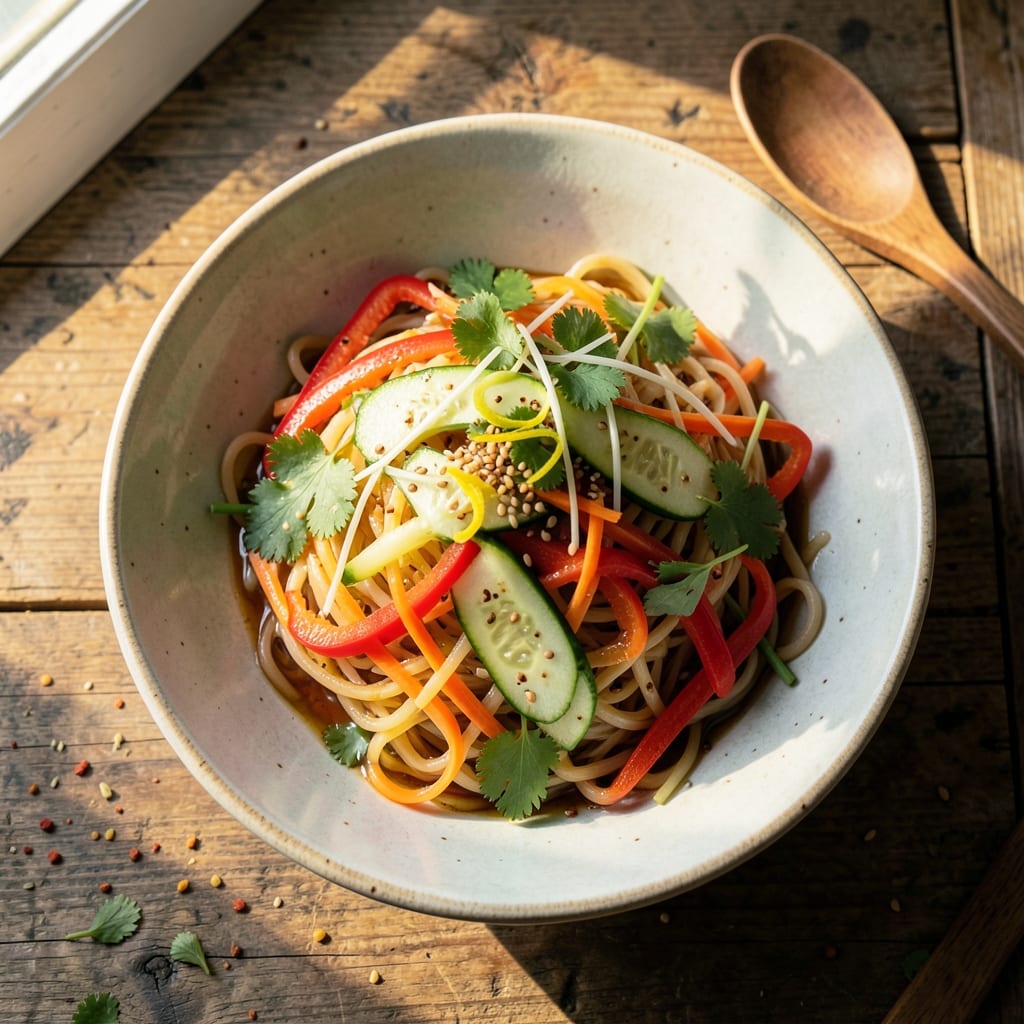
This Asian rice noodle salad recipe transforms simple ingredients into a vibrant, restaurant-quality dish with a zesty lime-peanut dressing that clings perfectly to every strand. The secret lies in the balance of bright citrus, nutty richness, and fresh herbs—creating a harmonious flavor that elevates humble rice noodles into something extraordinary. Whether you're craving a light lunch or a refreshing side, this recipe delivers bold, satisfying results without sacrificing simplicity.
The foundation of this salad is chewy rice noodles cooked just right—al dente enough to hold up to the dressing but tender enough to melt in your mouth. Pair them with crisp vegetables like shredded carrots, cucumber, and bell peppers for texture, then add protein options like grilled chicken, shrimp, or crispy tofu for a complete meal. The dressing, a tangy blend of lime juice, peanut butter, soy sauce, and garlic, ensures every bite is packed with flavor.
What sets this recipe apart is its adaptability—swap in proteins or vegetables based on what you have, and adjust the dressing sweetness to taste. The lime-peanut sauce isn’t just a topping; it’s the star, binding everything together with its sticky, aromatic profile. Serve it chilled for a refreshing bite or at room temperature for a more substantial meal, and watch how it transforms any gathering into a flavorful experience.
The best part? This salad comes together in under 30 minutes, making it perfect for weeknight dinners or meal prep. Whether you're hosting a casual lunch or packing it for work, the combination of textures and flavors ensures it’s always a crowd-pleaser. Let’s get started on creating a dish that’s as delicious as it is easy to make.
Ingredients for asian rice noodle salad
Bright veggies, nutty dressing, and chewy noodles—this salad packs restaurant flavors in one bowl.
| Ingredient | Amount | Notes |
|---|---|---|
| Rice Noodles 🍜 | 8 oz | Flat or round, uncooked |
| Red Bell Pepper 🌶️ | 1 whole | Thinly sliced, any color |
| Carrots 🥕 | 2 medium | Shredded, about 1 cup |
| English Cucumber 🥒 | 1 whole | Julienned, peeled |
| Green Onions 🧅 | 3 whole | Thinly sliced, white/green parts |
| Fresh Cilantro 🌿 | ½ cup | Chopped, stems removed |
| Grilled Chicken Breast 🍗 | 1 lb | Diced, cooked and cooled |
| Crispy Tofu 🍠 | ½ lb | Cubed, optional protein |
| Natural Peanut Butter 🥜 | ½ cup | Creamy, unsweetened |
| Fresh Lime Juice 🍋 | ½ cup | About 4-5 limes |
| Low-Sodium Soy Sauce 🥢 | ¼ cup | Or tamari for gluten-free |
| Garlic Cloves 🧄 | 4 cloves | Minced, fresh preferred |
| Honey 🍯 | 2 tbsp | Or maple syrup for vegan |
| Sesame Oil 🫒 | 1 tbsp | Toasted, for aroma |
| Toasted Sesame Seeds 🌾 | 1 tbsp | For garnish |
The rice noodles are the star, so look for flat or round varieties—they hold up best to the dressing. Thai Kitchen or Lotus Foods brands are my go-to for consistent texture, but any Asian grocery store will have great options. Cook them al dente—undercooked noodles get mushy when tossed. For the veggies, organic carrots and cucumbers from the store’s produce section stay crisp longer. If you’re short on time, pre-shredded carrots work (though they lose moisture fast). The bell pepper adds sweetness—red or yellow work best, but green is fine if that’s what’s on hand.
No peanut butter? Almond butter or cashew butter works just as well—just add a splash of water to thin it out. Short on lime juice? Substitute lemon juice at a 1:1 ratio, though the flavor will be slightly different. The garlic can be roasted for a milder taste if you’re sensitive to raw flavors. For the protein, grilled shrimp or edamame are great alternatives to chicken or tofu. And if you’re watching sugar, reduce the honey to 1 tbsp—it’s still delicious, just slightly less sweet. The sesame oil is non-negotiable for that authentic aroma, but if you’re avoiding it, a pinch of ground sesame seeds can mimic the flavor.
The dressing keeps for 5 days in the fridge, but the noodles are best eaten fresh. Store them separately in airtight containers—toss with a little oil to prevent sticking. The full salad holds up for 2 days in the fridge, though the cucumber gets softer over time. For meal prep, portion the dressing separately and mix just before eating to keep everything crisp. Freezing isn’t recommended for the noodles, but the dressing freezes beautifully for up to 3 months—perfect for quick weeknight salads.
Why You'll Love This Recipe
- No-Boil Magic: I swear by the trick of soaking those rice noodles in warm water for 10 minutes—no stove, no fuss, just perfect texture every time. The bell peppers and cucumber stay crisp while the noodles soak up the dressing like a dream.
- Umami Bomb: That crisp-tender crunch of raw bell pepper and cucumber against the chewy noodles? Add a splash of fish sauce or soy sauce, and suddenly you’ve got a flavor explosion that’s fresh but deeply satisfying. Honestly, the first bite makes me want seconds before I even finish chewing.
- Lunchbox Hero: Between us, this is my go-to for packed lunches—it holds up for days in the fridge, and I can tweak it with whatever veggies I have lying around. My kids actually eat their veggies when they’re sneaked into this salad, and I’ll take that win any day.
- Budget Crunch-Saver: Rice noodles are dirt cheap, and this recipe stretches for four meals without breaking the bank. I’ll be real: I’ve made this with whatever produce was on sale, and it’s still crave-worthy. Plus, the leftovers taste just as good cold the next day.
Step-by-step instructions for Asian rice noodle salad
Here's how to assemble this vibrant, protein-packed salad with a dressing that clings perfectly.
Prepare the Noodles and Vegetables
Bring a large pot of water to a rolling boil and add the 8 oz rice noodles. Cook for 6-8 minutes until they're tender but still slightly firm to the bite—they'll soften further when chilled. Drain immediately and rinse under cold water to stop the cooking process and remove excess starch. This prevents a gummy texture.
While the noodles cook, thinly slice the 1 whole red bell pepper into matchsticks and shred the 2 medium carrots using a julienne peeler or mandoline. Peel and julienne the 1 whole English cucumber, then slice the 3 whole green onions into ½-inch pieces. Chop the 0.5 cup fresh cilantro, removing any tough stems. Set all vegetables aside in separate bowls—keeping them separate until assembly ensures maximum crunch.
Make the Signature Lime-Peanut Dressing
In a small bowl, whisk together the 0.5 cup natural peanut butter, 0.5 cup fresh lime juice, 0.25 cup low-sodium soy sauce, 2 tbsp honey, 1 tbsp toasted sesame oil, and 4 cloves minced garlic until completely smooth. The mixture should be thick but pourable—if it's too stiff, add 1-2 tablespoons of warm water to loosen it. Taste and adjust seasoning with a pinch more soy sauce if needed for balance.
Here's the secret: let the dressing sit for 5 minutes before using. This allows the peanut butter to fully emulsify with the lime juice, creating a velvety texture that coats every noodle perfectly. Don't skip this waiting time—it makes all the difference in how well the dressing clings.
Assemble the Salad
In a large mixing bowl, combine the drained rice noodles, diced 1 lb grilled chicken breast, and 0.5 lb crispy tofu cubes. Add the prepared vegetables and 0.5 cup chopped cilantro, tossing gently to distribute everything evenly. Pour the lime-peanut dressing over the mixture and toss again, using your hands if needed to ensure every strand of noodle gets coated.
For best texture, let the salad sit for 10 minutes before serving. This allows the dressing to fully penetrate the noodles and vegetables, creating that perfect balance of crunch and creaminess. If the salad seems dry after resting, add an extra tablespoon of dressing—it'll absorb beautifully.
Garnish and Serve
Transfer the salad to serving plates and sprinkle each portion with 1 tablespoon toasted sesame seeds. The seeds add a delightful nutty crunch that contrasts perfectly with the creamy dressing and tender noodles. Serve immediately while the vegetables are still crisp and the noodles maintain their slight bite.
This salad holds up well for 2-3 hours in the refrigerator if you need to prep ahead, but I recommend serving it fresh for the best texture. Each bite delivers a perfect harmony of textures—crunchy vegetables, tender noodles, crispy tofu, and juicy chicken—all bound together by that addictive lime-peanut dressing.
Pro Tips For Making Asian Rice Noodle Salad
- SOAK NOODLES RIGHT: I learned this the hard way—rice noodles stick together like glue if you don’t soak them first. Toss them in hot (not boiling) water for 5–7 minutes until pliable but still firm, then rinse under cold water. Over-soaking turns them mushy, and under-soaking makes them chewy. Trust the process—your salad’s texture depends on this.
- JULIENNE VEGETABLES UNIFORM: Thin, even strips of veggies cook faster and look pro. Use a mandoline for carrots and bell peppers (safety first—cut away from your body), aiming for 1/8-inch thickness. English cucumber? Peel it first—bitter rind ruins the freshness. Skip the knife if you’re impatient, but don’t skimp on consistency.
- DRESS AFTER MIXING: Tossing noodles and veggies dry first lets flavors cling better. Add dressing in stages—start with half, mix, then drizzle the rest. The noodles absorb it evenly, and you avoid a soggy mess. Save the green onions for last; they’ll stay crisp and bright instead of wilting into the sauce.
- UPGRADE WITH LIME ZEST: Sounds weird, but it works: a teaspoon of lime zest in the dressing cuts through the richness of the noodles and veggies. Freshly grated makes all the difference—bottled zest is a sad substitute. Add it with the juice, and your salad will taste like it came from a street cart, not a recipe.
Creative variations of this dish
Thai-Inspired Twist
Swap the peanut butter for 2 tbsp red curry paste (like Maesri) and add 1 tbsp fish sauce to the dressing for an authentic Thai vibe. Use thin rice noodles and toss in shredded cabbage and thai basil for extra freshness. Top with crushed peanuts and lime wedges for that classic street-food feel. 🌶️
Vietnamese Fresh Herb
For a Vietnamese-inspired version, replace the peanut butter with 2 tbsp tahini and add 1 tbsp rice vinegar plus 1 tsp chili flakes. Use vermicelli rice noodles and fold in mint, Thai basil, and bean sprouts. Garnish with crushed roasted peanuts and a drizzle of sriracha for heat. This version is lighter but packed with bright, herby flavors.
Spicy Mango Fusion
Add ½ cup diced mango and 1 tbsp chili garlic sauce to the dressing for a sweet-spicy kick. Use round rice noodles and toss with shredded red cabbage and cilantro. Top with crushed peanuts and lime zest for a tropical twist. This variation works especially well when served chilled—perfect for summer meals. 🍍
Protein Swaps
Need a different protein? Try grilled shrimp with a squeeze of lime, crispy chickpeas for a vegan option, or seared scallops for a luxurious touch. For extra crunch, add fried shallots or toasted coconut flakes. Each protein brings a unique texture—experiment to find your favorite combo!
Noodle Alternatives
Don’t have rice noodles? Use soba noodles for a Japanese-inspired version or zucchini noodles for a low-carb twist. For gluten-free, opt for chickpea-based rice noodles (like Annie’s). Just adjust cooking times—zucchini noodles need no cooking, while soba noodles take about 3-4 minutes in boiling water. 🥒
Nutrition facts
Frequently asked questions
Can I use regular pasta instead of rice noodles?
Not recommended! Rice noodles are designed to be light and chewy, while regular pasta becomes too heavy and absorbs too much dressing. For a similar texture, try vermicelli noodles or soba noodles. If you're in a pinch, angel hair pasta works in a pinch, but the flavor profile won't be the same. The key is a delicate, slightly firm texture that holds up to the dressing.
How do I prevent the dressing from making the salad soggy?
Keep all ingredients separate until the very last minute! Toss the noodles and dressing first, then add crisp vegetables like cucumber and bell pepper just before serving. For extra crunch, chill the salad for 10 minutes before eating—this helps the dressing set slightly while keeping the veggies firm. Also, avoid overmixing after adding the dressing.
What if I don't like peanut butter?
No problem! Try these alternatives: almond butter for a nutty flavor, cashew butter for creaminess, or tahini for a Middle Eastern twist. For a seed-based option, blend sunflower seeds with water until smooth. The key is to maintain the same ratio (½ cup) and adjust liquid as needed to reach a pourable consistency.
Can I make this salad ahead of time?
but with a few tricks! Store the cooked noodles separately in an airtight container with a light coating of oil to prevent sticking. Keep the dressing in a separate jar and assemble everything just before serving. The vegetables will stay crispest when added fresh. If prepping for 1-2 days, store the salad chilled and add extra dressing when serving to revive the flavors.
What's the best way to cook the rice noodles perfectly?
Cook them just until al dente—about 6-8 minutes—then rinse immediately in cold water to stop cooking. Overcooking makes them mushy, while undercooking means they won't soften properly. For extra insurance, soak the noodles in warm water for 5 minutes before cooking if they're very fresh. The goal is chewy strands that hold up to the dressing without turning to mush.