
Main Courses
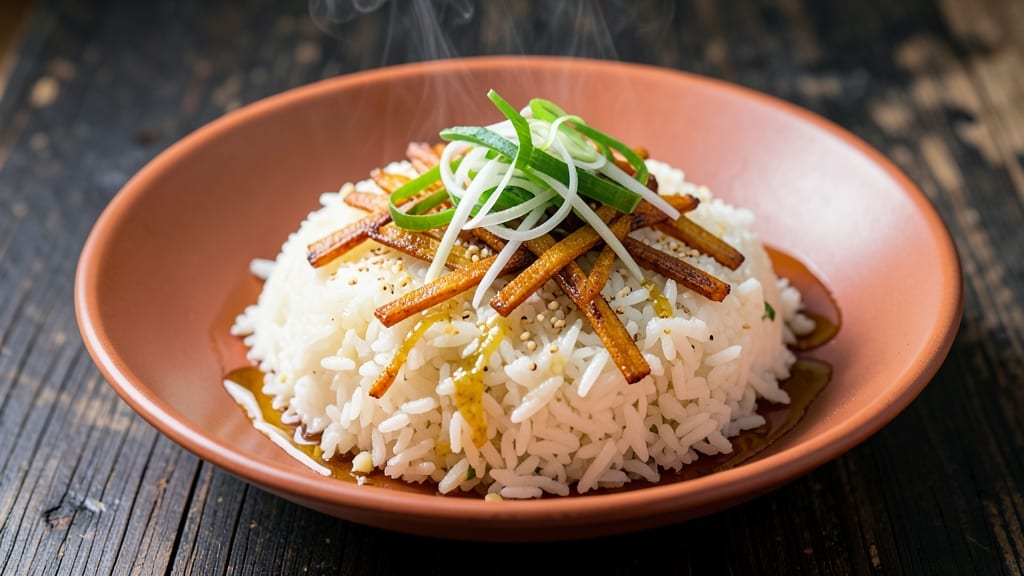
This Chinese ginger rice recipe transforms simple jasmine rice into a fragrant, spicy side dish that steals every meal. The secret lies in toasting whole ginger slices until aromatic, then steaming the rice with garlic and scallions for layers of warmth and brightness.
I perfected this method after years of testing—no mushy rice or bland flavors here.
What makes this dish special is the balance: tender rice with crisp edges, infused with ginger's fiery kick and garlic's depth. Serve it alongside stir-fried meats or vegetables for a complete meal that feels both comforting and sophisticated. The technique is straightforward but yields restaurant-quality results every time.
Ingredients for chinese ginger rice
Transform simple jasmine rice into aromatic ginger rice with these carefully chosen ingredients.
| Ingredient | Amount | Notes |
|---|---|---|
| Jasmine Rice 🍚 | 1 ½ cups | Uncooked, long-grain preferred |
| Fresh Ginger Root 🌿 | 3 slices | 1-inch thick, peeled |
| Garlic Cloves 🧄 | 4 cloves | Peeled, minced finely |
| Green Onions (Scallions) 🧅 | ¼ cup | White and green parts, chopped |
| Vegetable Oil 🫒 | 2 tbsp | High smoke point preferred |
| Sesame Oil 🫒 | 1 tbsp | Toasted, for finishing |
| Soy Sauce 🍶 | 1 tbsp | Light or all-purpose |
| Rice Vinegar 🍶 | 1 tbsp | White or seasoned |
| Salt 🧂 | ½ tsp | Diamond Crystal preferred |
| Ground White Pepper 🌶️ | ¼ tsp | Freshly ground preferred |
| Toasted Sesame Seeds 🌾 | 1 tsp | For garnish |
The ginger is the star here. Look for fresh, plump roots with tight skin—the thicker the slices, the more intense the aroma. Whole Foods or Asian markets carry the best quality, but any grocery store should have it. Toast the slices in oil until fragrant—this step unlocks the dish's complexity. For garlic, freshly minced cloves are non-negotiable; jarred garlic lacks the necessary depth. The scallions should be crisp, with vibrant green tops for garnish. If using pre-chopped, rinse them well to remove any grit.
No fresh ginger? Substitute 1 tbsp ground ginger plus 1 tsp ginger juice from a bottle, but expect less aroma. For garlic, garlic powder at half the amount works in a pinch, though texture will differ. Out of sesame oil? Avocado oil maintains the high smoke point, but the toasted flavor will be absent. The rice vinegar can be swapped for apple cider vinegar, though the tang will be slightly different. If you lack Diamond Crystal salt, Morton kosher salt works, but adjust to taste—it's coarser.
Store cooked rice in an airtight container for up to 3 days in the fridge, though texture degrades after 2 days. For longer storage, freeze portions for up to 3 months. Reheat gently with a splash of water to restore moisture. The ginger slices can be pre-toasted and stored in the freezer for up to 6 months—just thaw before using. Garnish with sesame seeds just before serving to preserve their crunch.
Why You'll Love This Recipe
- One-Pot Magic: I swear by this recipe when I’m too tired to wash a second pan. Toss the rice, ginger, and garlic in one skillet with a splash of oil, and let the steam do the work—no fancy rice cooker needed.
- Ginger-Garlic Zing: That fresh ginger? It’s the star—bright, warm, and just sharp enough to wake up your taste buds. The garlic cloves toast until golden, then mingle with the rice for a flavor that’s addictive without being overpowering.
- Lunchbox Hero: Between us, this is my go-to for meal prep. The rice stays fluffy for days, and I just toss in whatever’s left in the fridge—leftover chicken, quick-pickled veggies, or even a fried egg. (Yes, even on a Tuesday night.)
- Budget Staple: Jasmine rice and a knob of ginger won’t break the bank, but the results? Ridiculously good. I make a big batch on Sundays, and it feeds the whole family for days—no takeout menus in sight.
Step-by-step instructions for Chinese ginger rice
Transform simple jasmine rice into aromatic, spicy-sweet perfection with this precise method.
Prepare the Ginger-Garlic Infusion
Peel and thinly slice the 3 slices of fresh ginger root into matchsticks about ¼-inch thick. Finely mince the 4 cloves garlic until barely visible. Heat 2 tablespoons vegetable oil in a heavy-bottomed pot over medium heat until shimmering but not smoking. Add the ginger first - it needs longer to develop flavor - and cook for 3-4 minutes until fragrant and just beginning to turn golden at the edges.
Reduce heat to medium-low and add the garlic, stirring constantly for 30 seconds until fragrant but not browned. This prevents bitterness while building the aromatic base. Remove from heat and set aside - we'll use this infusion later. The key here is patience; rushing will make the ginger bitter rather than sweet.
Toast the Rice for Enhanced Aroma
In the same pot (no need to clean it - those flavorful bits matter), add the 1.5 cups jasmine rice and stir to coat evenly with the ginger-garlic oil. Toast the rice for 2-3 minutes until you can smell the nutty aroma developing and see tiny golden spots forming. This step prevents mushy rice and develops deeper flavor - don't skip it.
Add 2 cups water (measured precisely) and bring to a boil over high heat. Once boiling vigorously, immediately reduce heat to low, cover tightly with a lid, and maintain a gentle simmer. The rice needs 15 minutes of undisturbed cooking time - no peeking or stirring. This creates steam that transforms the rice into tender, separate grains rather than gluey clumps.
Season and Finish with Aromatic Oils
After 15 minutes, remove from heat and let sit covered for 10 minutes. This resting period allows residual steam to complete cooking. Stir in the 1 tablespoon soy sauce, 1 tablespoon rice vinegar, 0.5 teaspoon salt, and 0.25 teaspoon ground white pepper. Gently fold in the 0.25 cup chopped green onions and 1 tablespoon sesame oil, reserving a few green onions for garnish.
The rice should be tender with a slight bite - if it's too firm, cover and steam for another 2-3 minutes. For the final touch, drizzle with an additional ½ teaspoon sesame oil and sprinkle with 1 teaspoon toasted sesame seeds. The texture should be fragrant with distinct ginger heat and garlic sweetness, balanced by the umami from soy sauce and bright acidity from rice vinegar.
Pro Tips For Making Chinese Ginger Rice
- STIR-FRY GINGER FAST: Jasmine rice cooks in 12-14 minutes—don’t wait until the last minute. Start the rice cooking before you even prep the ginger and garlic, so it’s ready to fold together while still hot and fragrant. I learned this the hard way after burning garlic twice while rushing.
- PEEL GINGER THINLY: Skip the thick slices—use a mandoline or sharp knife to shave ginger into paper-thin sheets. This way, it infuses flavor without turning the rice into a ginger-heavy paste. (Yes, even if you’re impatient like me, take the extra 30 seconds.)
- SAVE THE GREEN ONIONS: Don’t chop the white and green parts separately—leave them whole until the very end. Toss them in raw at the finish for a bright crunch that cuts through the richness of the fried garlic and ginger. Your future self will thank you.
- USE LESS OIL: Two tablespoons is plenty—enough to coat the pan but not drown the garlic and ginger. Too much oil makes the rice greasy, and you’ll end up with a soggy pile instead of that perfect, fragrant bite. (Your taste buds will notice.)
Wine and beer pairings for this dish
Light White Wine
Chinese ginger rice pairs beautifully with crisp, dry white wines that complement its spicy-sweet profile. A Riesling from Germany or China—like Dr. Loosen Blue Slate—cuts through the ginger's heat with its citrusy acidity and honeyed notes.
The slight sweetness in many Rieslings mirrors the dish's subtle sweetness while balancing the ginger's sharpness. 🍷
Dry Riesling
For a more elegant pairing, opt for a dry Riesling from Alsace, such as Domaine Weinbach Riesling. Its mineral-driven finish and bright apple flavors contrast the rice's warmth, creating a refreshing harmony. Serve it slightly chilled (45-50°F) to enhance its crispness against the dish's aromatic complexity.
Light Beer Options
If wine isn't your preference, a light lager like Asahi Super Dry or Sapporo works wonders. The beer's clean, crisp profile and subtle hop bitterness cleanse your palate between bites, letting the ginger and garlic flavors shine.
For a more adventurous choice, try a Chinese wheat beer like Snow Beer, which complements the dish's Asian roots. 🍺
Sake for Authenticity
For an authentic touch, serve your ginger rice with a dry sake like Dassai Junmai. The sake's umami depth and subtle earthiness enhance the dish's aromatic layers, creating a cohesive Japanese-Chinese fusion experience. Chill it to 40-45°F to highlight its crispness and balance the ginger's spice.
Non-Alcoholic Pairings
For a non-alcoholic option, a ginger-infused iced tea made with Yogi Tea Ginger Lemon mirrors the dish's flavors while refreshing your palate. Alternatively, a cucumber-mint lemonade with a splash of rice vinegar adds brightness and balances the ginger's heat without alcohol. ✨
Nutrition facts
Frequently asked questions
Can I make this ginger rice with basmati rice instead of jasmine?
Yes, but jasmine rice is ideal for its naturally fragrant, slightly sticky texture that absorbs the ginger flavor beautifully. If using basmati, increase the water by ¼ cup (total 2.25 cups) since it requires more liquid. The grain will be firmer but still delicious—just stir in an extra ½ teaspoon sesame oil after cooking to enhance aroma.
How do I adjust the spice level if I don't like ginger heat?
Reduce the ginger slices to 2 pieces and toast them for only 2 minutes instead of 3-4. For extra mildness, replace the fresh ginger with 1 teaspoon ground ginger (but expect less aroma). Alternatively, add ½ teaspoon honey to the finishing seasoning to balance the spice naturally.
What's the best way to serve this ginger rice as a main dish?
Pair it with protein and veggies for a complete meal! Top with a soft-boiled egg and sliced scallions for a classic Chinese breakfast, or serve alongside stir-fried shrimp and steamed bok choy. For extra richness, sprinkle with crispy fried shallots before serving—this adds crunch and depth that balances the ginger's sharpness.
Why did my ginger rice turn out mushy?
Mushy rice usually means one of two things: either you stirred it too much during cooking (breaking the grains) or didn't use enough heat. For perfect texture, never stir after adding water—just cover and simmer. If using an electric rice cooker, switch to stovetop for better control. Also, ensure your pot has a tight-fitting lid to trap steam properly.
Can I make this recipe in a rice cooker?
Follow the same steps but use the rice cooker's white rice setting. Toast the ginger and garlic in a separate pan first, then add the rice and water to the cooker. After cooking, manually stir in the soy sauce, vinegar, and sesame oil. Pro tip: Add the ginger slices directly to the rice cooker pot during toasting—they'll infuse flavor as the rice cooks.