
Main Courses
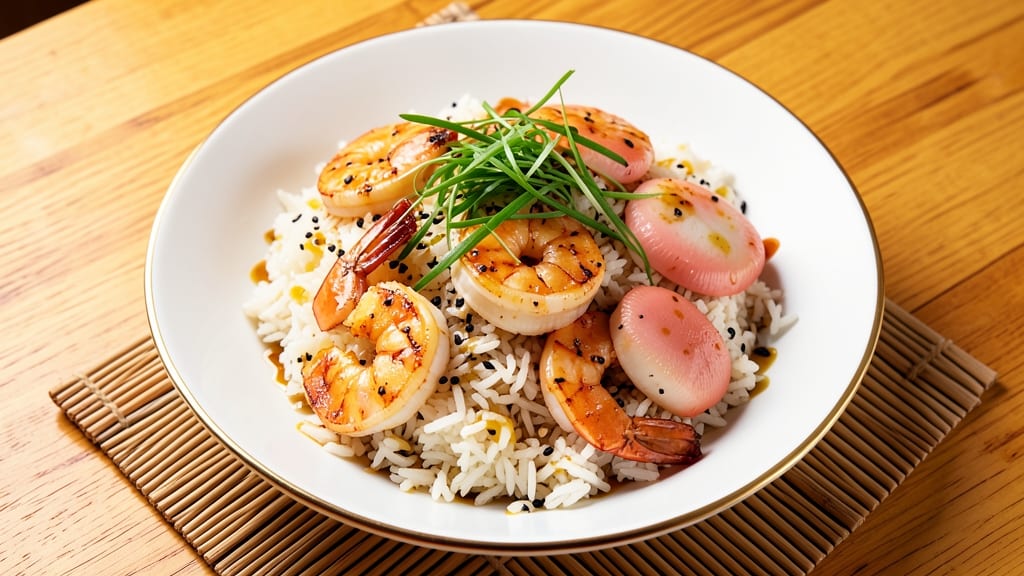
This Chinese seafood fried rice recipe delivers the perfect balance of crisp-tender shrimp, sweet scallops, and aromatic jasmine rice, all tossed to golden perfection in a wok. The secret lies in using day-old rice—just slightly dry—and high-heat stir-frying to achieve that signature wok-hei smokiness.
I developed this version after years of testing, ensuring every bite delivers authentic restaurant flavor without the fuss of complicated techniques.
The foundation starts with properly prepped ingredients: shrimp and scallops cut into even pieces for consistent cooking, day-old rice broken into individual grains, and a flavorful sauce blending soy, oyster, and a touch of sesame oil.
What sets this apart is the two-stage cooking process—first searing the seafood until just opaque, then tossing everything together with the rice for maximum crunch and flavor infusion.
By the time you serve this dish, you'll have a plate of vibrant, aromatic fried rice with perfectly cooked seafood that's tender yet still holds its shape. The wok-hei technique adds that unmistakable smoky aroma, while fresh scallions and a drizzle of sesame oil elevate it to restaurant-quality.
This recipe transforms simple ingredients into a standout weeknight dinner that feels special without requiring hours in the kitchen.
Whether you're feeding a family or hosting dinner guests, this seafood fried rice delivers impressive results with minimal effort. The beauty lies in its adaptability—swap in your favorite seafood or vegetables, and adjust the sauce to your preferred spice level. Here's how to make it perfectly every time.
Ingredients for chinese seafood fried rice
Four cups of jasmine rice, a pound of shrimp, and twelve scallops—this is your seafood fried rice shortcut to restaurant-quality flavor.
| Ingredient | Amount | Notes |
|---|---|---|
| Day-Old Jasmine Rice 🍚 | 4 cups | Broken into individual grains |
| Large Shrimp 🦐 | 1 lb | Peeled, deveined, cut into 1-inch pieces |
| Fresh Scallops 🐚 | 12 whole | Pat dry, cut into 1/2-inch slices |
| Green Onions 🧅 | ½ cup | Sliced into 1-inch pieces, white and green parts separated |
| Sesame Oil 🫒 | 1 ½ tbsp | Toasted, for aroma |
| Light Soy Sauce 🥫 | 3 tbsp | High-quality, low-sodium preferred |
| Oyster Sauce 🍲 | 2 tbsp | Thick, rich variety |
| Dark Soy Sauce 🥫 | 1 tbsp | For color and depth |
| Garlic Cloves 🧄 | 4 cloves | Minced, for bold flavor |
| Ginger Root 🌿 | 1 tbsp | Freshly grated, finely minced |
| Vegetable Oil 🫒 | ½ cup | High smoke point, neutral flavor |
| White Pepper 🌶️ | ½ tsp | Freshly ground, for subtle heat |
| Salt 🧂 | 1 tsp | Diamond Crystal preferred |
| Cornstarch 🌾 | 1 tbsp | For tenderizing seafood |
The rice is non-negotiable here—jasmine rice gives that fragrant, slightly sticky texture. Grab a day-old bag from the grocery store (or cook a fresh batch and refrigerate overnight) to avoid mushy results. For seafood, frozen shrimp and scallops work fine—just thaw and pat very dry before cutting. The white parts of green onions add depth when cooked first, while the green tops stay fresh for garnish. If you're feeling fancy, Trader Joe's has pre-cut scallops that save prep time, but fresh is worth the effort for that sweet, tender bite.
No oyster sauce? Hoisin sauce plus a splash of fish sauce gets you close, though the umami won't be identical. Short on soy sauces? One tbsp of each light and dark can be swapped for two tbsp of regular soy sauce, but you'll lose that caramelized depth. The cornstarch trick (toss shrimp and scallops in it before cooking) keeps them from curling up—trust me on this. Ginger and garlic are best fresh, but if you're using powdered, double the amount and toast it in the oil first for extra punch. For extra crunch, add 1/4 cup of toasted cashews at the end.
Rice reheats beautifully—microwave with a splash of water for 30 seconds to revive texture. Store leftovers in an airtight container for up to 3 days, though it's best fresh. Freeze portions in single-serving bags for up to 2 months—just thaw in the fridge overnight. The seafood cooks fast, so prep everything before heating the wok. Pro move: Keep a small bowl of ice water handy to shock-cook scallops if they overcook—saves the dish.
Why You'll Love This Recipe
- No-Chop Frenzy: I swear by this recipe because the shrimp and scallops take five minutes to prep—just peel, devein, and slice. That day-old jasmine rice? Already cooked, so no waiting around. Honestly, the hardest part is deciding whether to use frozen or fresh seafood, and even that’s a win.
- Umami Bomb: The moment sesame oil hits the pan, your kitchen smells like a dim sum dream. Those shrimp and scallops? They sear up crispy on the outside while staying tender—chef’s kiss—and the green onions add this bright, fresh finish that cuts through the richness. It’s the kind of flavor that makes you want to eat it straight from the wok.
- Leftover Hero: Between us, this dish begs to be made in bulk. The flavors actually get better the next day—yes, really. Pack it for lunch, freeze portions for lazy nights, or bring it to a potluck. My roommate’s a skeptic, but he’s now begging for leftovers every time I make it.
- Budget Luxury: You don’t need fancy seafood to pull this off—just a good shrimp and a few scallops (or even frozen, no judgment). Stretch it further by mixing in veggies or extra rice, and suddenly you’ve got a restaurant-worthy meal for half the cost. It’s my go-to when I want to feel fancy without breaking the bank.
Step-by-step instructions for wok-tossed crunch with shrimp and scallops
Here's how to make restaurant-quality seafood fried rice with perfect texture and bold flavors.
Tenderize the Seafood with Cornstarch
In a small bowl, toss the 1 lb large shrimp and 12 whole fresh scallops with the 1 tablespoon cornstarch until evenly coated. This creates a delicate crust that prevents the seafood from overcooking during the high-heat stir-fry. Let them sit for 10 minutes while you prep the remaining ingredients—this gives the cornstarch time to adhere properly.
Here's the thing—don't skip this step. The cornstarch acts as a natural tenderizer and helps the seafood maintain its shape rather than turning rubbery. Pat the scallops dry with paper towels before coating, as any moisture will prevent proper adhesion of the cornstarch.
Prepare the Aromatic Base
Heat a wok or large skillet over medium-high heat until it's smoking hot. Add the 0.5 cup vegetable oil and swirl to coat the bottom evenly. Immediately add the 4 cloves minced garlic and 1 tablespoon finely minced ginger root, stirring constantly for 30 seconds until fragrant.
Watch for that moment when the garlic turns golden—this is your signal to add the 0.5 cup sliced green onions (white parts only). Stir-fry for another 1 minute until the onions soften slightly but remain vibrant. This aromatic base forms the flavor foundation for your fried rice, so don't rush this step. If the garlic starts to brown too quickly, reduce the heat slightly but maintain constant motion.
Cook the Seafood to Perfect Doneness
Push the aromatics to one side of the wok and add the cornstarch-coated seafood in a single layer. Cook for 1-2 minutes until the shrimp turn opaque and the scallops develop a golden crust. Here's where timing matters—I like to cook the shrimp first since they take slightly longer, then add the scallops for the final 30 seconds of cooking.
Remove the seafood to a plate and set aside. Leave the rendered seafood juices in the wok—they're packed with flavor that will infuse your fried rice. If the aromatics have darkened too much, remove about half of them to keep the dish looking fresh. The seafood should be just cooked through but still tender, not rubbery or overdone.
Stir-Fry the Rice with Bold Sauces
Return the wok to high heat and add the 4 cups day-old jasmine rice, breaking up any clumps with your spatula. Stir-fry for 2 minutes to heat through and separate the grains. Add the 3 tablespoons light soy sauce, 2 tablespoons oyster sauce, 1 tablespoon dark soy sauce, 1 teaspoon salt, and 0.5 teaspoon white pepper, stirring constantly.
This is where the magic happens—the sauces should coat each grain of rice evenly. The dark soy sauce gives that signature rich color while keeping the flavors balanced. If the rice starts sticking, add 1-2 tablespoons hot water to loosen it. The rice should be piping hot and glistening with sauce when ready.
Finish with Sesame Oil and Garnish
Return the cooked seafood to the wok and toss everything together for 1 minute to combine. Turn off the heat and stir in the 1.5 tablespoons toasted sesame oil—this adds that final aromatic punch. The oil should be warm but not smoking hot, as it burns easily and can make the dish taste bitter.
Garnish immediately with the reserved 0.5 cup sliced green onions (green parts only) and serve while hot. The rice should be perfectly crisp at the edges with tender centers, the seafood should be just cooked through, and every bite should deliver that perfect balance of savory, umami, and aromatic flavors. Serve with extra soy sauce on the side if needed.
Pro Tips For Making Chinese Seafood Fried Rice
- STIR-FRY IN BATCHES: High heat works, but don’t overload the pan—split shrimp and scallops into two rounds. I learned this the hard way when my first batch of shrimp turned rubbery from overcrowding while the scallops waited. Two minutes per batch at max heat keeps everything crisp.
- TRIM SCALLOPS THIN: Slice scallops horizontally at their widest point—this exposes more surface area to sear. My grandmother swore by this, and she was right: thin slices stay tender while still getting that golden crust. Skip this, and you’ll end up with chewy centers.
- USE COLD RICE: Break up clumps of day-old rice with your hands, then spread it on a plate to cool completely before frying. Warm rice steams and turns mushy—cold rice absorbs the wok hei and stays separate. (Yes, even if you’re impatient like me.)
- SALT THE SCALLOPS: Pat scallops dry, then sprinkle lightly with salt before searing. It draws out moisture, guaranteeing a better crust. I was skeptical until I tried it—now I never skip it. Just don’t overdo it, or they’ll toughen.
Perfect pairings for chinese seafood fried rice
Classic Side Dishes
Serve your seafood fried rice with a simple cucumber salad for refreshing contrast—the cool crunch balances the dish's richness. Thinly slice 1 English cucumber and toss with 1 tbsp rice vinegar, ½ tsp sugar, and a pinch of red pepper flakes.
Alternatively, steamed bok choy with a splash of sesame oil adds a classic Chinese vegetable element that complements the seafood beautifully. 🥒
Dipping Sauces
Offer a small bowl of chili garlic sauce for those who crave heat—I recommend Lao Gan Ma brand for that perfect balance of spicy and tangy. For a milder option, mix 1 tbsp soy sauce, 1 tsp honey, and ½ tsp sesame oil for a sweet-savory dip.
These sauces let guests customize their experience while enhancing the fried rice's flavors.
Beverage Pairings
A crisp Chinese jasmine tea cleanses the palate between bites, with its floral notes complementing the dish's umami. For beer lovers, a light lager like Tsingtao provides the perfect neutral base that won't overpower the seafood.
If you prefer wine, a dry Riesling with its citrusy acidity cuts through the richness beautifully. 🍶
Garnish Upgrades
Elevate your presentation with fresh cilantro leaves and a sprinkle of toasted sesame seeds—both add vibrant color and nutty aroma. For a smoky touch, drizzle with ½ tsp chili oil (like Lee Kum Kee) before serving.
These finishing touches make your fried rice look as impressive as it tastes.
Regional Variations
In Hong Kong-style versions, add char siu (Chinese BBQ pork) for extra richness, while Cantonese adaptations often include diced water chestnuts for texture. For a Sichuan twist, incorporate doubanjiang (chili bean paste) into the sauce and finish with pickled ginger.
Each regional approach brings unique depth to the dish. 🗺️
Make-Ahead Additions
Prep quick-pickled vegetables ahead of time by slicing ½ cup carrots and ½ cup daikon radish, then soaking in ¼ cup rice vinegar with 1 tsp sugar for 30 minutes.
These add a tangy crunch that pairs perfectly with the fried rice. Store in an airtight container in the fridge for up to 3 days.
Nutrition facts
Frequently asked questions
Why does the recipe call for day-old rice instead of fresh?
Day-old rice is crucial for perfect texture—it's just dry enough to achieve that signature crisp-tender bite while staying separate. Fresh rice releases too much moisture and turns mushy when stir-fried. If you only have fresh rice, spread it on a tray and refrigerate for at least 4 hours before using.
Can I substitute other seafood besides shrimp and scallops?
Try white fish fillets (like cod or halibut) cut into small cubes, or squid rings for extra texture. For a budget option, use frozen shrimp—just thaw and pat completely dry first. The cornstarch coating works for all these proteins to prevent overcooking.
What's the secret to getting that smoky wok-hei flavor?
Use a carbon steel or cast iron wok heated on high until smoking, then work quickly with constant tossing. The high heat creates steam that carries aromatic compounds—this is your wok-hei. For extra smokiness, add a pinch of dried shrimp (optional) when cooking the aromatics, or finish with a quick pass over a gas flame.
My seafood turned rubbery—what went wrong?
Overcooking is the most common mistake. Seafood should cook just until opaque (1-2 minutes max)—remove it immediately when done. The cornstarch coating helps, but don't skip the 10-minute resting time before cooking. For scallops, use an instant-read thermometer (125°F internal temp) to avoid overcooking.
How can I make this vegetarian?
Replace seafood with mushrooms (shiitake or oyster) and tofu (pressed and cubed). Add 1 tbsp vegetarian oyster sauce and ½ cup frozen peas for color. For umami depth, use 1 tsp MSG or 1 tbsp soy sauce in the sauce. The technique remains identical—just adjust cooking times for tofu (3-4 minutes to crisp).