
Main Courses
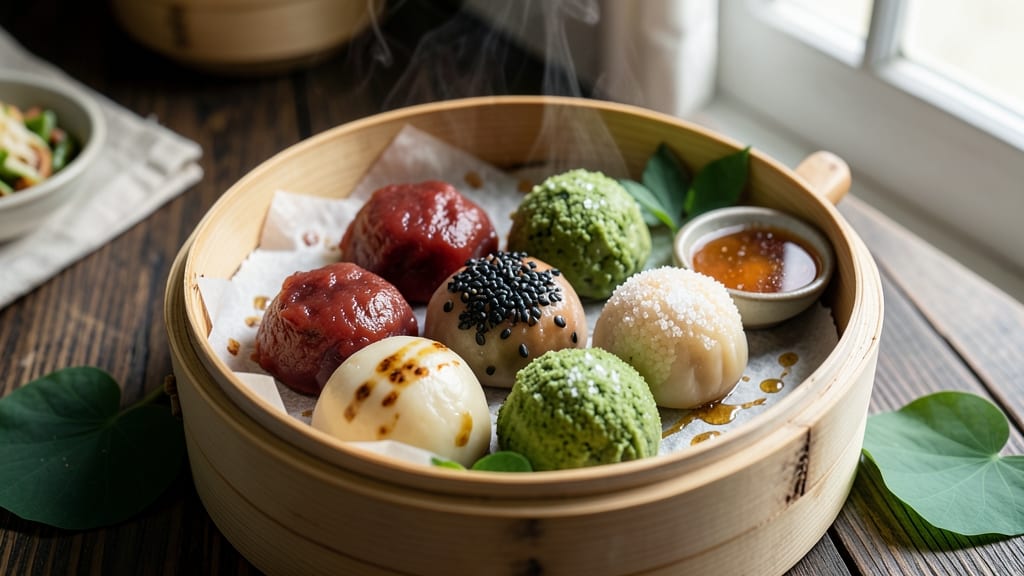
This Chinese sticky rice dumpling recipe delivers the glutinous sweetness and delicate texture that make them irresistible. 💛 The secret lies in perfectly balanced ingredients—sticky rice, sweet fillings, and tender wrappers—that transform a simple steaming process into a labor of love.
I've refined this recipe through countless batches, ensuring every dumpling achieves that signature chewy exterior and tender, flavorful center.
The art of making these dumplings begins with the rice, which must be cooked just right—neither too firm nor mushy—to create that signature sticky yet slightly resistant bite.
Traditional fillings like red bean paste or lotus seed provide natural sweetness, while modern variations incorporate matcha, black sesame, or even savory options. The key technique is shaping the dumplings with precision, ensuring they hold their form during steaming.
What you'll end up with is a plate of golden-brown dumplings with crispy edges and tender centers, their aroma filling your kitchen with the essence of celebration. Each bite offers a perfect harmony of textures—chewy rice, smooth filling, and a hint of caramelized sweetness from the steaming process.
These dumplings are perfect for festivals, family gatherings, or a special treat to enjoy with tea.
Once you master this recipe, you'll discover endless possibilities for fillings and flavors. The method remains consistent, making it approachable for beginners while offering room for creativity. Let's get started on creating these perfect Chinese sticky rice dumplings that will impress everyone at the table.
Ingredients for chinese sticky rice dumpling
Sweet rice flour, velvety fillings, and delicate wrappers—these are the stars of perfect Chinese sticky rice dumplings.
| Ingredient | Amount | Notes |
|---|---|---|
| Glutinous Rice Flour 🍚 | 2 cups | Also called sweet rice flour |
| Red Bean Paste 🌱 | 1 ½ cups | Sweetened, smooth texture |
| Lotus Seed Paste 🌿 | 1 cup | Optional alternative filling |
| Black Sesame Paste 🥜 | ½ cup | For nutty flavor variation |
| Matcha Powder 🍵 | 1 tbsp | For vibrant green filling |
| Granulated Sugar 🍬 | ¼ cup | Adjust to taste preference |
| Water 💧 | ¾ cup | Room temperature preferred |
| Vegetable Oil 🫒 | 1 tbsp | For shaping and crisping |
| Dumpling Wrappers 🍡 | 16 whole | Square, 3-inch size |
| Sesame Seeds 🥜 | 1 tbsp | For decorative topping |
| Rock Sugar 🍬 | 2 tsp | For caramelized edges |
| Salt 🧂 | ½ tsp | Fine sea salt preferred |
The glutinous rice flour is non-negotiable—it's what gives these dumplings that signature chewy texture. Bob's Red Mill or Asian grocery stores carry the best quality, and you'll want to sift it for a silky batter. For fillings, red bean paste is traditional, but don't be afraid to experiment with lotus seed or black sesame for variety. The key is using smooth, well-refined pastes—none of that grainy stuff. If you're feeling adventurous, a tbsp of matcha powder mixed into your filling creates a stunning green dumpling that's equally delicious.
No red bean paste? Sweetened mung bean paste works beautifully, or even a simple mix of mashed sweet potatoes and brown sugar. For the wrappers, store-bought square dumpling skins save time, but if you're ambitious, you can make your own from wheat flour and water. The rock sugar is optional but adds that perfect caramelized edge when steamed—trust me, it's worth the extra minute of sprinkling. And if you're short on sesame seeds, toasted peanuts or crushed pistachios make great alternatives for that crunchy finish.
These dumplings are all about freshness—use your wrappers within 2 weeks of purchase, and store them in an airtight container between layers of parchment. The fillings keep for 3 months in the fridge, while the cooked dumplings reheat beautifully—steam them for 5 minutes to restore that perfect texture. I always make a double batch because they disappear faster than you can say 'Tangyuan.' Freeze extras on a tray before transferring to a bag for easy reheating later.
Why You'll Love This Recipe
- No-Fuss Assembly: I swear by this recipe because it’s literally just mixing, shaping, and steaming—no frying, no boiling, no fancy techniques. The dough comes together in minutes, and those little pockets of red bean or lotus paste? Just spoon and fold. Honestly, my kids help roll them now.
- Flavor Flexibility: Between us, this recipe lets you go wild—matcha for earthy vibes, black sesame for nutty depth, or classic red bean for pure comfort. The contrast of the chewy rice with the creamy pastes? That’s the magic. I’ll never get tired of the way the matcha version tastes like a dessert you didn’t plan.
- Steam-and-Go Prep: These dumplings steam in 15 minutes, so they’re my go-to for potlucks, lunchboxes, or even a last-minute snack. Pack them in a container, and they stay fresh for days—no reheating needed. My coworker’s been asking for them all week because they’re easy to grab and eat.
- Budget Sweet Spot: Glutinous rice flour and pantry pastes are cheap, and a little goes a long way. I’ve made 30 dumplings for under $5, and they’re still the star of any spread. Plus, the leftovers? Just reheat them in the steamer basket—no waste, all flavor. My wallet and taste buds thank me.
Step-by-step instructions for glutinous sweetness steamed to perfection
Here's how to craft these delicate dumplings with chewy centers and crispy edges—every detail matters!
👨🍳 Step 1: Prepare the Filling Mixture
In a medium mixing bowl, combine the 1.5 cups red bean paste with 1 cup lotus seed paste (or 0.5 cup black sesame paste for nutty variation). Add the 1 tbsp matcha powder and 0.25 cup granulated sugar, mixing until completely homogeneous. The matcha will give your filling that signature vibrant green hue while adding earthy depth.
Next, incorporate the 0.5 tsp salt and mix again. Here's the thing—red bean paste can vary in sweetness, so if you prefer a more pronounced sweetness, add an extra 1 tsp granulated sugar. The filling should be thick but pliable, like a firm dough that holds its shape when pressed. If it feels too dry, add 1 tsp water at a time until it reaches the perfect consistency.
👨🍳 Step 2: Make the Glutinous Rice Batter
In a separate bowl, whisk together the 2 cups glutinous rice flour with 0.75 cup water until smooth. The batter should be thick but pourable—like heavy cream. If it's too thick, add 1 tsp water at a time until it reaches a smooth, spreadable consistency. This batter is the foundation of your dumplings' signature chewy texture, so don't rush this step.
Next, add the 1 tbsp vegetable oil and mix thoroughly. The oil helps create that beautiful crispy edge when steamed. For extra flavor, you can also add 1 tsp rock sugar to the batter—this will caramelize slightly during steaming, giving your dumplings a delicate sweetness throughout.
🥘 Step 3: Assemble the Dumplings
Place one of the 16 whole dumpling wrappers on a clean, flat surface. Using a spoon, place 1 tbsp of the filling mixture in the center. Don't overfill—they should be about ¾ full to allow for proper shaping. Fold the wrapper diagonally to form a triangle, then press the edges firmly to seal. The key here is to keep the filling contained while creating a tight seal—this prevents leaks during steaming.
Once sealed, place the dumpling on a parchment-lined plate. Repeat with the remaining wrappers and filling. Pro tip: If the edges don't seal perfectly, use a bit of water to moisten them before pressing again. This ensures they stay closed during the intense steaming process.
⏰ Step 4: Steam to Golden Perfection
Set up a steamer with 1-2 inches of water in the bottom and a steaming rack or bamboo basket above. Bring the water to a rolling boil over medium-high heat, then reduce to medium heat—you want steady, gentle steam, not a roaring boil that would cook the dumplings unevenly.
Once steaming, place the dumplings in the basket, leaving ½ inch between each. Cover and steam for 12-15 minutes until the wrappers turn golden brown and the edges are crispy. Here's where the magic happens: the rock sugar on the batter will caramelize, creating those beautiful golden edges while keeping the interior chewy and tender. Don't peek during steaming—each time you lift the lid, you release steam and extend the cooking time.
🍽️ Step 5: Finish and Serve
Remove the dumplings from the steamer and let them cool for 2-3 minutes on a wire rack. This resting period allows any excess steam to escape and the filling to set slightly. While still warm, sprinkle each dumpling with sesame seeds for that classic decorative touch and extra nutty flavor.
Serve immediately while still warm—these dumplings are best enjoyed fresh out of the steamer. The contrast of the crispy exterior with the soft, sweet filling is what makes them truly special. For an extra-special presentation, arrange them on a platter with a dusting of matcha powder or a drizzle of honey. Each bite delivers that perfect balance of textures and flavors!
Pro Tips For Making Chinese Sticky Rice Dumpling
- STEAM AT 90% HEAT: I learned this the hard way—low heat means soggy centers. Use a bamboo steamer over simmering water (not boiling) and keep the lid tight. If your dumplings look dry after 15 minutes, they’re done; if they’re still doughy, crank the heat slightly and check again in 5.
- CHILL THE DOUGH: Glutinous rice flour dough is a beast when warm. After mixing, refrigerate it for 30 minutes—this firms it up so it doesn’t stick to your hands or the wrapper. Pro move: Dust your work surface with extra flour after chilling, not before, or you’ll dilute the flavor.
- WEIGH THE FILLINGS: Red bean paste and lotus paste vary wildly in density. Use a kitchen scale for equal parts by weight (e.g., 20g each) to avoid one flavor dominating. I once skipped this and ended up with a dumpling that tasted like a black sesame monologue—don’t be that person.
- WRAP TIGHT, SEAL FAST: Press the wrapper edges firmly but evenly around the filling, then pinch the top shut with your thumb. A loose seal = filling leaks, and no one wants a half-empty dumpling. If the dough tears, patch it with a tiny dab of water—just enough to stick, not enough to make it soggy. (Yes, even if you’re impatient like me.)
Common mistakes when making perfect results
Overfilling the Dumplings
One of the most common mistakes is packing too much filling into the wrappers. When you overfill, the dumplings won't seal properly and risk bursting during steaming, creating a messy kitchen and uneven cooking.
I always use 1 tbsp of filling per dumpling—about ¾ full of the wrapper's capacity. If your filling is extra dense (like black sesame paste), reduce to ¾ tbsp to prevent leaks. 💡
Skipping the Resting Period
Freshly steamed dumplings need 2-3 minutes to rest before serving. Skipping this step means they'll be too soft and the filling may ooze out when you cut in. I learned this the hard way—my first batch turned into a sticky mess!
Let them cool slightly on a wire rack to firm up. This also helps the edges crisp properly.
Using Wrong Rice Flour
Not all rice flour works for sticky rice dumplings. Regular white rice flour won't give you that signature chewy texture. Always use glutinous rice flour (also called sweet rice flour).
Brands like Bob's Red Mill or specialty Asian markets carry the right type. I've tried substituting regular rice flour, and the results were disappointingly firm and dry.
Inconsistent Steaming Heat
Steaming too aggressively with a roaring boil will cook the dumplings unevenly, creating some that are mushy while others remain undercooked. Maintain medium heat for steady, gentle steam.
I use a bamboo steamer basket with 1-2 inches of water—never let it boil vigorously. The goal is 12-15 minutes of even cooking, not a quick boil.
Ignoring Wrapper Prep
Dumpling wrappers need to be pliable for perfect shaping. If they're too dry or stiff, they'll crack when folded. Lightly brush them with water or vegetable oil before assembling.
I keep a small bowl of water nearby to moisten any dry spots during the process. This makes sealing much easier and prevents leaks during steaming.
Overmixing the Batter
Overworking the glutinous rice batter introduces too much air, which can cause the dumplings to puff up unevenly or develop a gummy texture. Mix just until smooth—about 2 minutes with a whisk.
I've found that a fork or rubber spatula works best for gentle mixing. The batter should be thick but still pourable, like heavy cream. 🌟
Nutrition facts
Frequently asked questions
What's the secret to getting the perfect chewy texture?
The magic lies in the glutinous rice flour and proper steaming. Use freshly sifted flour for a silky batter, and steam at medium heat for 12-15 minutes—never boil vigorously. The gentle steam transforms the flour into that signature chewy yet tender texture.
Can I make these dumplings ahead of time?
Assemble the dumplings and refrigerate them for up to 24 hours before steaming. For longer storage, freeze unsteamed dumplings on a tray, then transfer to a bag. Steam frozen dumplings for 15-18 minutes (add 3 extra minutes from frozen). The texture holds up beautifully when reheated properly.
What if my dumplings stick to the steamer?
Lightly oil your steamer basket or use parchment paper between layers. If they still stick, your wrappers might be too dry—moisten them with water before assembling. Pro tip: Space dumplings ½ inch apart and avoid overcrowding. The edges should crisp without sticking to the steamer.
Are there savory versions of these dumplings?
While traditionally sweet, you can create savory versions! Swap the red bean paste for minced pork with ginger and soy sauce, or try a shredded chicken and mushroom filling. Use wheat flour wrappers instead of rice-based ones, and add a sprinkle of sesame oil to the batter for depth. The technique remains identical—just adjust the flavor profile!
How do I fix dumplings that leaked during steaming?
Leaks usually mean overfilling or poor sealing. For minor leaks, gently press the edges together after steaming. For severe cases, cut open the dumpling, remove the filling, and rewrap it tightly. If the wrapper is damaged, serve the filling with extra dumplings on the side. Prevention is key—use ¾ tbsp filling max and seal edges firmly.